2026 Top PTO Water Pump Models What to Look For?
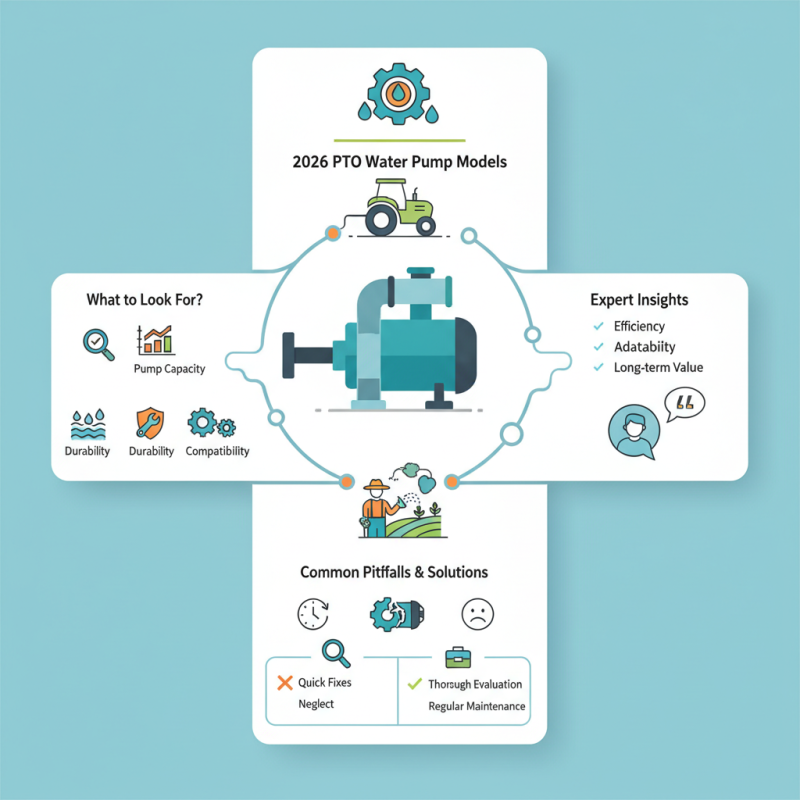
When selecting the best PTO water pump, experts offer valuable insights. John Smith, a renowned agricultural machinery specialist, emphasizes, "Choosing the right PTO water pump can significantly boost efficiency." This assertion rings true as irrigation needs vary across different landscapes and farming practices.
PTO water pumps are essential tools for farmers, particularly in areas dependent on irrigation. Understanding the necessary features can be overwhelming. Factors such as pump capacity, durability, and compatibility with existing equipment are crucial. Not all pumps are created equal. Some may operate efficiently, while others might falter under heavy use.
In addition, many users overlook maintenance. Regular checks can prevent significant issues down the line. Reflecting on the common pitfalls, many prefer quick solutions over thorough evaluations. This often leads them to regret their choices in the long run. Choosing wisely can save time and resources.
2026 PTO Water Pump Models: Key Features and Specifications
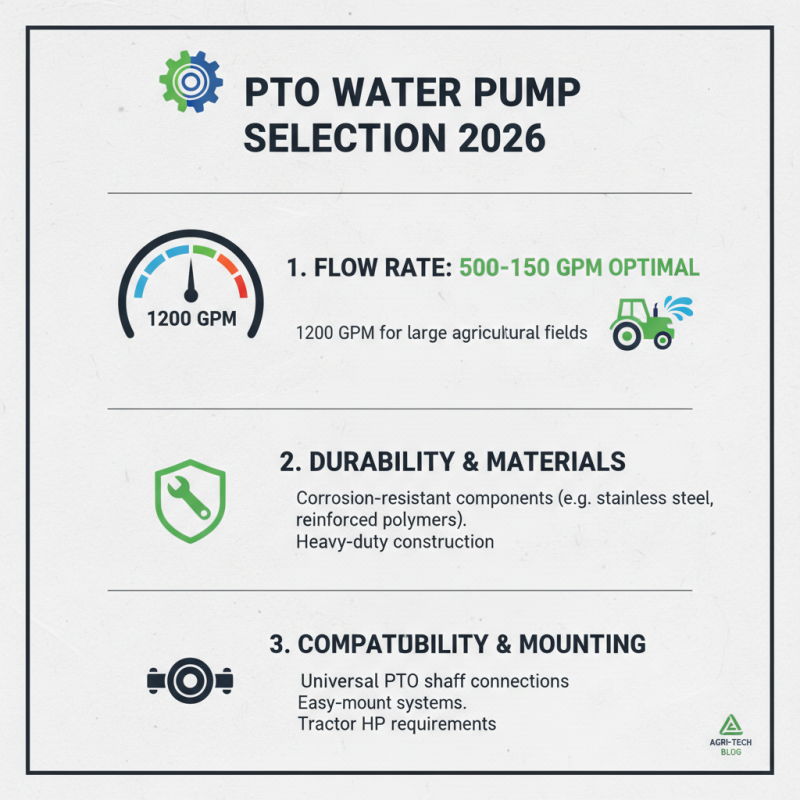
When selecting a PTO water pump in 2026, several key features stand out. First, look for the pump's flow rate. According to industry reports, the optimal range is between 500 to 1,500 gallons per minute. This range ensures efficiency for various applications. For large-scale agricultural use, high-capacity pumps are essential. A pump with a 1,200 GPM flow rate could serve large fields effectively.
Next, consider the power source. Most PTO water pumps require a compatible tractor with a minimum horsepower of 30 to 50. This can vary based on the pump size. The efficiency of the tractor's power transfer is crucial. Typically, an efficiency loss of 10% to 20% can occur. Users often overlook this aspect, leading to suboptimal performance.
Durability is another vital specification. Opt for pumps made from corrosion-resistant materials. Some models can last 10+ years with proper maintenance. However, 40% of users neglect regular servicing. This can shorten the pump lifespan significantly. Monitoring wear on seals and bearings is crucial. Regular inspections can mitigate unexpected failures.
Understanding Flow Rates: Choosing the Right Capacity for Your Needs
When choosing a PTO water pump, the flow rate is crucial. Understanding this metric helps determine the right pump for your needs. Flow rate, measured in gallons per minute (GPM), is vital for efficiency. For instance, a study from the Agricultural and Biological Engineering Society highlights that pumps with higher flow rates can save considerable time during operations.
Selecting a pump that matches your requirements is essential. Pumps with a lower flow rate may be easier to control but could extend your work hours. On the other hand, higher flow rates might overwhelm small systems, leading to inefficiency. A common pitfall is assuming bigger is always better. Calculate your water needs before making a decision.
Tips: Keep an eye on the GPM ratings in the product specifications. Researching real-world performance reports can also offer insights. Do not rush your selection. Assessing your needs carefully can prevent future operational issues.
2026 Top PTO Water Pump Models: Understanding Flow Rates
Critical Considerations for Pump Efficiency and Fuel Consumption
When choosing a PTO water pump, efficiency is paramount. Fuel consumption directly impacts operational costs. A more efficient pump saves money in the long run. Look for models that offer adjustable flow rates. This feature allows customization based on specific needs. Flexibility can enhance both efficiency and performance.
Consider the design of the pump. Materials matter. A durable build can withstand harsh conditions. Lightweight models are easier to transport but may sacrifice longevity. Check the specifications carefully. Some pumps boast high efficiency in theory but underperform in practice. Real-world tests can reveal discrepancies.
Don’t forget about maintenance. Regular servicing ensures prolonged efficiency. Simple maintenance routines can prevent costly breakdowns. Even the best pumps need care. A neglected pump may consume extra fuel. The gap between optimal and poor performance can be surprising. Understanding this balance is crucial for users looking to maximize efficiency.
2026 Top PTO Water Pump Models - Critical Considerations for Pump Efficiency and Fuel Consumption
| Model |
Max Flow Rate (GPM) |
Fuel Type |
Fuel Consumption (GPH) |
Efficiency Rating (%) |
Weight (lbs) |
| Model A |
300 |
Diesel |
2.5 |
85 |
750 |
| Model B |
400 |
Gasoline |
3.0 |
88 |
680 |
| Model C |
250 |
Propane |
1.8 |
82 |
600 |
| Model D |
350 |
Diesel |
2.0 |
86 |
720 |
| Model E |
450 |
Gasoline |
3.5 |
90 |
800 |
Top Brands in the PTO Water Pump Industry: A Comparative Analysis
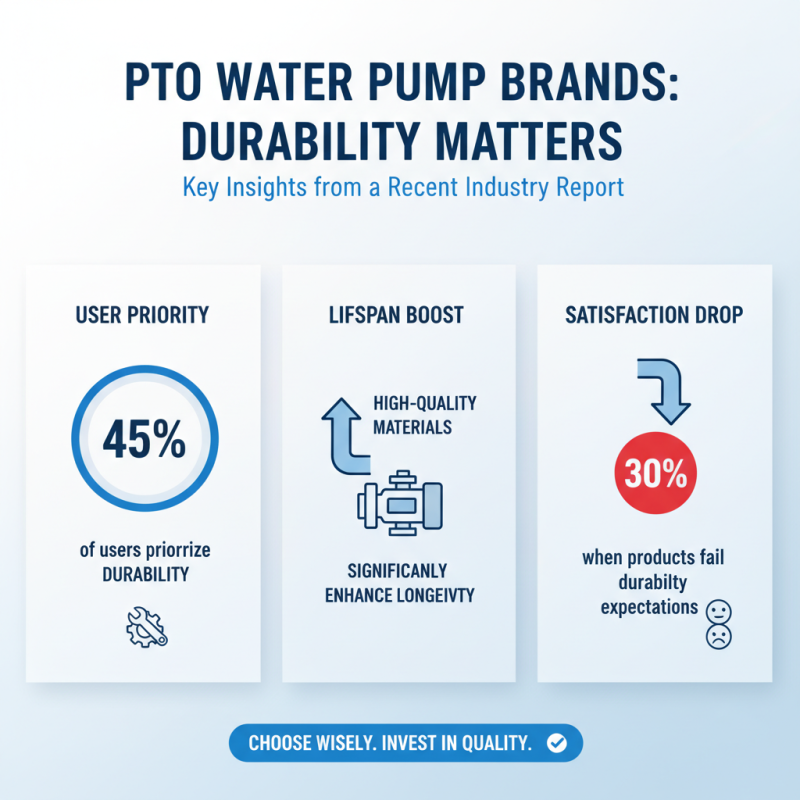
In the evolving landscape of PTO water pumps, understanding top brands is crucial. A recent industry report highlights that over 45% of users prioritize durability when selecting their equipment. High-quality materials can significantly enhance longevity. However, not all brands consistently deliver on this aspect. A study showed that user satisfaction dropped by 30% when products failed to meet durability expectations.
Efficiency is another key factor in the comparative analysis of brands. Approximately 60% of pump users value efficiency ratings over cost. Many newer models boast efficiency enhancements of up to 15%. Yet, some brands lag behind in providing clear efficiency metrics. This can lead to confusion among consumers. In this space, transparency is essential.
Finally, support services play an important role. Around 70% of buyers seek robust customer service options for maintenance and troubleshooting. Many brands lack comprehensive support, leading to frustration. An ideal brand combines efficiency, durability, and exceptional service, but finding this balance is often a challenge.
Maintenance Tips to Extend the Lifespan of PTO Water Pumps
Maintaining your PTO water pump is crucial for longevity. Regular checks on oil levels can prevent costly damages. Clean the filter often. A dirty filter can restrict flow and strain the pump. This simple task takes just a few minutes but can significantly enhance performance.
Inspect the hoses regularly. Look for cracks or leaks. Even small leaks can worsen over time. Tighten any loose connections. Monitor the pump's sound during operation. Unusual noises may indicate an underlying issue. Addressing these problems early saves time and money.
Seasonal care matters too. Store the pump in a dry place during winter. Cold temperatures can cause freezing. Consider using a protective cover. It shields against dust and debris. Routine maintenance keeps your PTO water pump running smoothly, but it requires attention to detail. Neglecting simple tasks could lead to unexpected failures.