2026 Best Commercial Water Pump Options for Your Business Needs
In today's business landscape, selecting the right commercial water pump is crucial for operational efficiency. A recent report by Market Research Future indicates that the commercial pump market is expected to grow at a CAGR of 5.2% from 2021 to 2026. This growth is driven by industries like agriculture, construction, and manufacturing, all of which rely heavily on efficient water management solutions.
Businesses must consider factors such as pump type, capacity, and energy efficiency. A suitable commercial water pump can significantly enhance productivity, reduce downtime, and cut costs. For example, submersible pumps are becoming increasingly popular due to their versatility and space-saving design. However, not all pumps provide the same performance or reliability. Investing in a low-quality pump may lead to frequent maintenance issues, which can disrupt operations.
Understanding the specific needs of your business is essential. Whether you require a pump for irrigation or industrial applications, the options can be overwhelming. Evaluating the efficacy of each option is vital. By taking a closer look, businesses can make informed decisions that align with their operational needs and budget constraints. The right choice can lead to sustained growth and competitive advantages.
Understanding Commercial Water Pumps and Their Applications
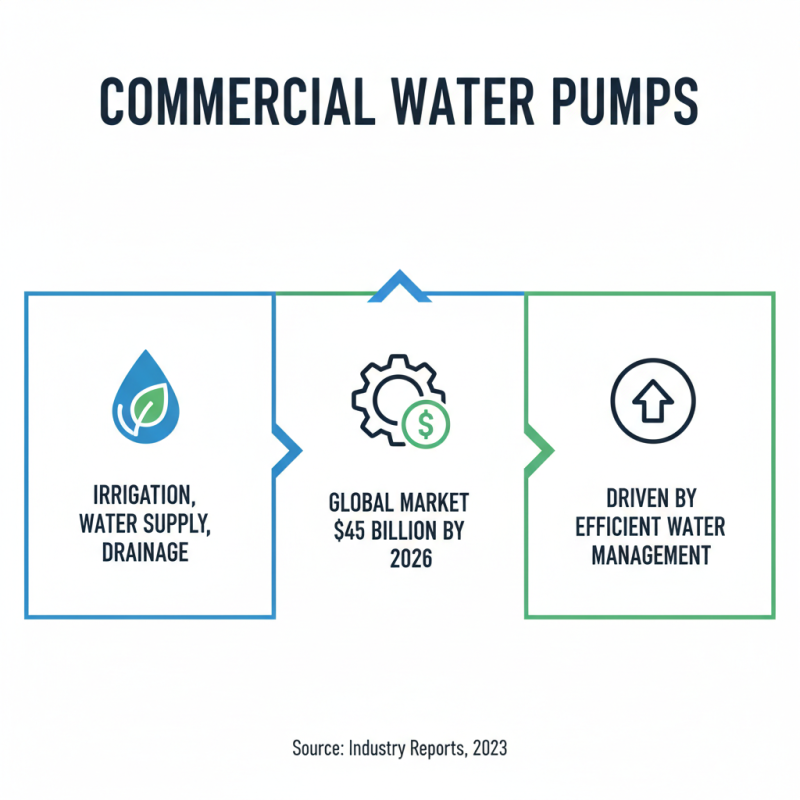
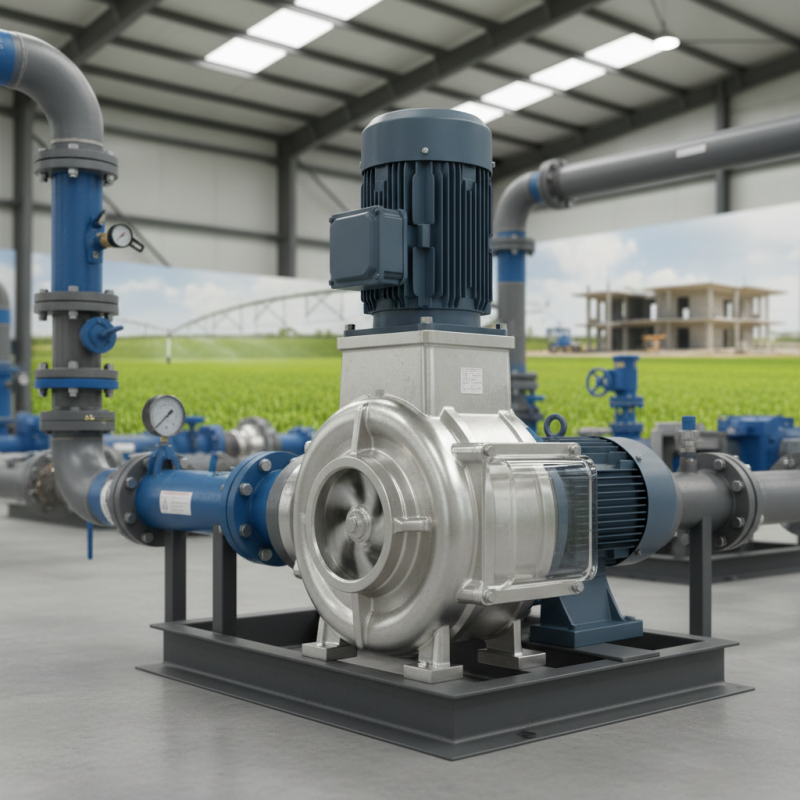
Commercial water pumps play a crucial role in various industries. These pumps are used for irrigation, water supply, and drainage. According to the latest industry reports, the global water pump market is expected to reach $45 billion by 2026. This growth reflects the increasing demand for efficient water management solutions.
Different applications require different types of pumps. For example, centrifugal pumps are commonly used in agriculture. They can transfer large volumes of water rapidly. In contrast, positive displacement pumps are more suitable for industrial applications requiring high pressure. Understanding these nuances is essential when selecting the right pump for your needs. Many businesses overlook factors such as energy efficiency and maintenance costs. These elements can significantly impact long-term performance.
It's essential to weigh the pros and cons. While some pumps might seem ideal at first glance, they may not be the best fit in practice. For instance, a more powerful pump may lead to higher energy bills. On the other hand, a pump with lower capacity may fail to meet production demands. Careful consideration is critical in making an informed decision.
Key Factors to Consider When Choosing a Water Pump for Business
When choosing a water pump for your business, several key factors come into play. The pump's flow rate is crucial; it determines how much water can be moved in a specific time. Evaluate your needs carefully. Will you need a high flow rate for irrigation or a lower one for aquariums? Your requirements shape the perfect choice.
Consider the pump's material and durability. Harsh environments can wear out pumps quickly. Look for pumps made from corrosion-resistant materials. This will ensure longevity and reliability. Also, think about energy efficiency. A more efficient pump might cost more upfront but can save significantly on energy bills over time. Balancing initial cost and future savings requires time and thought.
Don’t forget the size and portability of the pump. If space is limited, a compact unit may be best. However, if you plan to move the pump often, favor models with wheels or handles. Reflect on your installation skills too. Some pumps demand professional installation, while others allow for easy setup. Failing to consider these aspects could lead to complications down the line. So, take your time to assess your options thoroughly.
2026 Best Commercial Water Pump Options for Your Business Needs
| Pump Type |
Flow Rate (GPM) |
Max Head (ft) |
Power Supply |
Applications |
Efficiency Rating |
| Submersible Pump |
50 |
30 |
Electric |
Sewage, Draining |
85% |
| Centrifugal Pump |
100 |
50 |
Diesel |
Industrial, Irrigation |
90% |
| Diaphragm Pump |
30 |
20 |
Electric |
Chemical Handling |
80% |
| Positive Displacement Pump |
25 |
15 |
Electric |
Food Processing, High Viscosity Fluids |
82% |
| Worm Gear Pump |
15 |
10 |
Electric |
Hydraulic, Oil |
88% |
Top Commercial Water Pump Brands and Their Notable Products
When choosing a commercial water pump, several brands stand out in the market. Each brand offers unique features and specifications, catering to different business needs. Some pumps excel in efficiency, while others prioritize durability. It's essential to evaluate these characteristics before making a decision.
One notable feature to consider is the pump's flow rate. Some pumps can deliver water at impressive speeds, ideal for large-scale operations. Others may focus on quieter performance, which is beneficial in residential areas. A pump that is easy to maintain can save time and effort, but it might come with a higher price.
There are several product options available. Each has its pros and cons. For businesses, the choice of pump should align with their specific requirements. Assessing power consumption can also be crucial. A pump with low energy use can significantly reduce operating costs. However, initial investment may need reflection. Are you really getting the best value?
Comparative Analysis of Electric vs. Diesel Water Pumps
When choosing between electric and diesel water pumps, several aspects come into play. Electric pumps are often quieter and easier to operate. They require less maintenance and are more environmentally friendly. However, their reliance on power sources can be a limitation. In remote locations, access to electricity might be an issue. This can leave businesses in a lurch during critical times.
On the other hand, diesel pumps offer significant power and durability. They can operate in various conditions, making them versatile. However, they tend to be louder and require regular maintenance. Fuel costs can also add up over time. A key concern is their environmental impact, which is often overlooked. It’s important for businesses to weigh these factors carefully.
In practical applications, an electric pump may excel for small tasks and indoor use. Diesel pumps might be more suitable for heavy-duty water extraction in construction sites or agriculture. Each option has its benefits and challenges. The best choice depends on specific business needs, operational environment, and budget constraints.
Maintenance Tips for Ensuring Longevity of Commercial Water Pumps
Maintaining commercial water pumps is crucial for optimal performance. According to industry reports, proper maintenance can extend pump lifespan by 25% or more. Regular checks should include inspecting seals and bearings for wear. These components are often overlooked but are vital to smooth operation.
Routine cleaning is necessary to prevent debris buildup. Consider implementing a schedule for cleaning filters and casings. This simple step can enhance efficiency and reduce energy consumption. Monitoring flow rates and pressures is also essential. These metrics provide insight into potential issues early on.
Remember to document all maintenance activities. Detailed records can reveal patterns and help predict future problems. Neglecting this could lead to costly downtime. Investing time in maintenance shows commitment to your equipment and business longevity. Stay proactive to ensure your pumps continue to meet your operational needs.
2026 Best Commercial Water Pump Options
This chart displays the flow rates (in gallons per minute) of various commercial water pump options available in 2026, helping businesses make informed decisions based on their specific water needs. Regular maintenance of these pumps is essential for ensuring their longevity and efficiency.