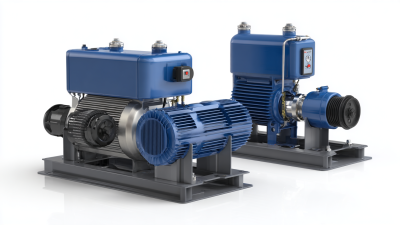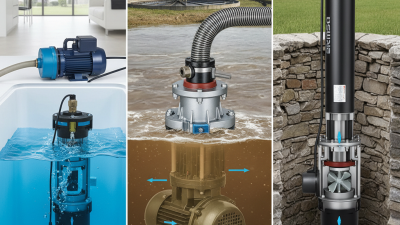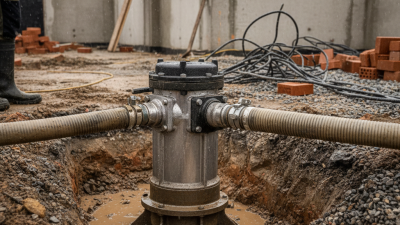
When it comes to accessing clean water, a deep well submersible pump is essential for many households and agricultural needs. Jim Parker, a renowned expert in the water pump industry, once said, "The right pump can make all the difference in water availability." This highlights the importance of choosing the best pump for your specific requirements.
Deep well submersible pumps work by being submerged underwater. These machines can efficiently draw water from deep sources. However, selecting the right model can be daunting. Each pump has its unique features, and not every option is ideal for every situation. Factors like depth, flow rate, and energy efficiency matter significantly.
In our quest for the best deep well submersible pumps, it’s important to consider both performance and longevity. Seek out reviews and ratings, but keep in mind your specific water needs. Investing time in research is critical. Finding the perfect pump may take effort, yet the reward is invaluable when clean water is consistently available.
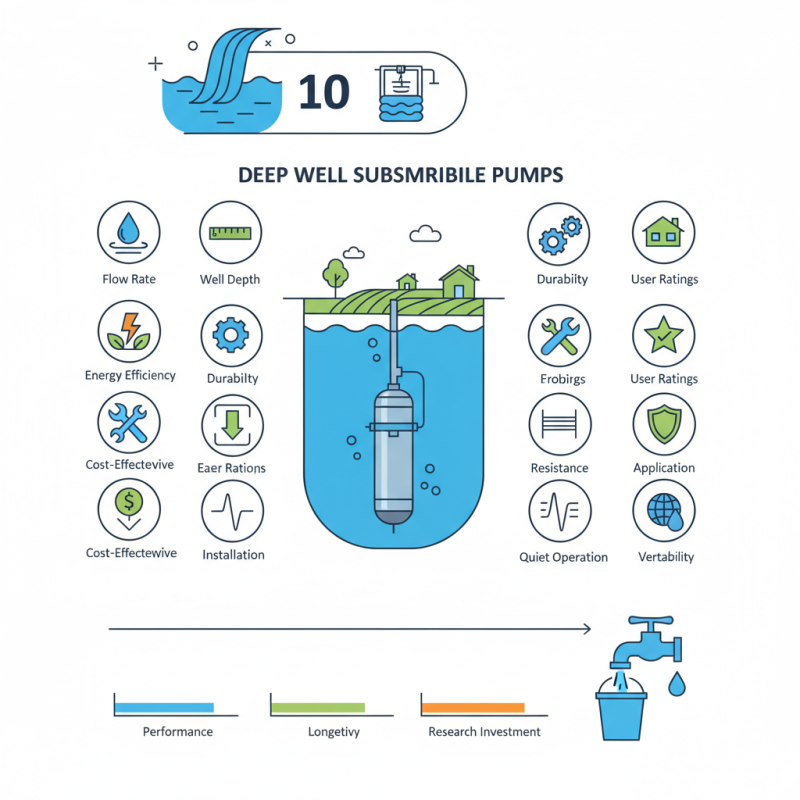
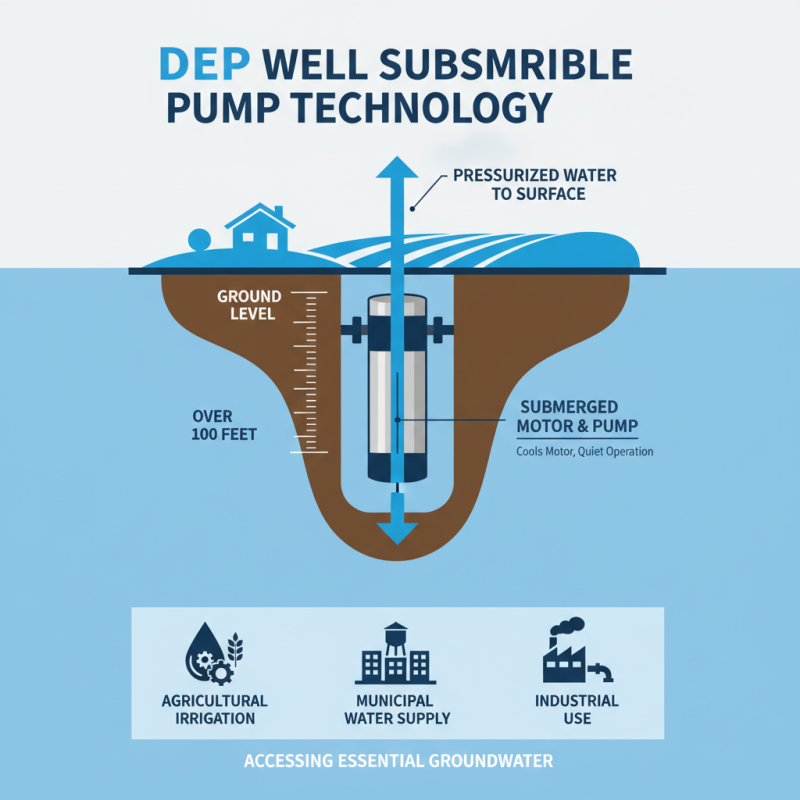
Deep well submersible pumps are crucial for accessing groundwater. They work by pushing water to the surface from depths often exceeding 100 feet. These pumps are installed vertically within boreholes. The motor is submerged, which helps cool it and minimize noise. This technology is essential in agricultural, municipal, and industrial applications.
According to a 2021 industry report, deep well submersible pumps account for over 45% of global market sales in the pump sector. Their efficiency is notable, often exceeding 90%. However, not all installations yield optimal results. Some wells face challenges with sediment and minerals, affecting pump performance. Inadequate maintenance can lead to failures, highlighting the need for regular inspections and proper installation. This often gets overlooked in the planning stages.
Choosing the right pump involves understanding specific requirements. These include flow rate, depth, and water quality. Many forget to evaluate local conditions, which can lead to mismatched systems. The right specifications can dramatically improve productivity and longevity. However, the learning curve can be steep for new users. It’s vital to understand these intricacies to avoid costly mistakes.
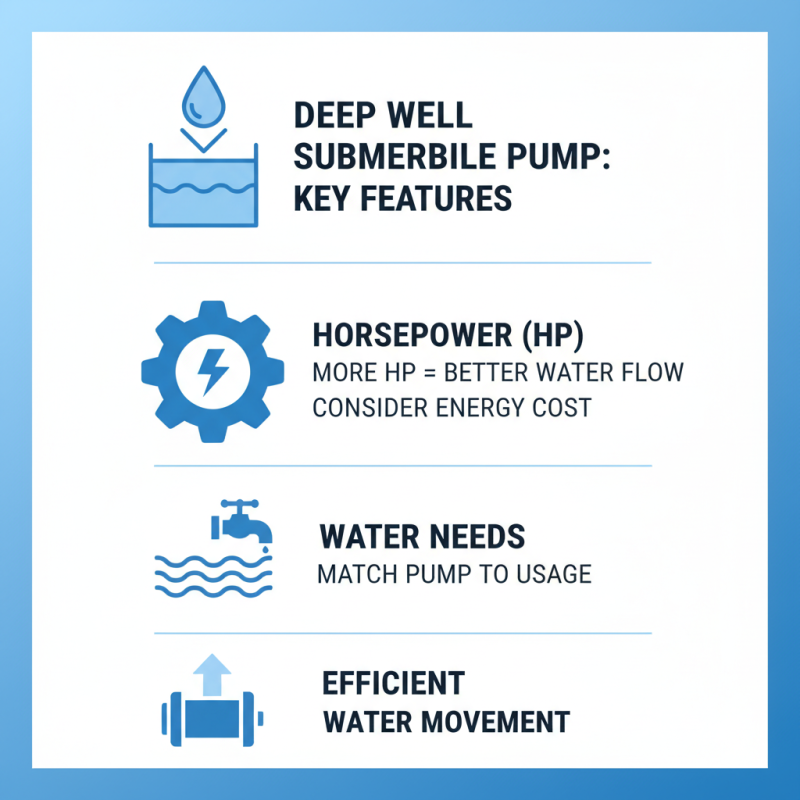
When choosing a deep well submersible pump, certain features are crucial. Look for the pump's horsepower. It determines how effectively the pump moves water. More horsepower means better performance but can also mean higher energy costs. Be mindful of your water needs.
The material of the pump matters too. Stainless steel is durable and resists corrosion. However, some cheaper options might use plastic, which may not hold up well in harsh conditions. Check the pump depth. It should match your well's depth for optimal performance.
Don't forget the power supply options. A reliable backup is essential in case of outages. Some pumps require a specific voltage. It's important to ensure compatibility. Vibration levels can indicate pump efficiency. If it vibrates too much, it may experience premature wear. Take your time to research and reflect on your choices for the best long-term investment.
When choosing deep well submersible pumps, performance and reliability are key factors. A reliable pump guarantees consistent water supply. Performance-wise, look for pumps that can move large volumes efficiently. The best pumps operate smoothly and sustain their output over time. Many factors influence their effectiveness, such as depth and water temperature.
Here's a tip: Always check the pump's flow rate. This metric indicates how quickly the pump delivers water. A pump might have great features but underperform in real situations. Don't overlook the materials used in pump construction. Corrosion-resistant materials are crucial for longevity, especially in harsh conditions.
Another thing to consider is maintenance. Neglecting pump care can lead to breakdowns. Schedule regular checks to ensure everything functions well. Signs of wear or inconsistent water flow often indicate problems. Pay attention to these early warnings to prevent costly repairs. Remember, a good investment in a quality pump pays off in reliability and performance.
Choosing the right deep well submersible pump is crucial for your water needs. When evaluating cost and efficiency, it’s essential to look beyond the initial price tag. Many models offer varying levels of power consumption, which can affect your long-term expenses. For example, a more expensive pump might be more energy-efficient, resulting in lower utility bills over time.
Always consider the depth of your well. Some pumps are designed for specific depths, affecting their efficiency. Selecting a pump that matches your well depth is key to optimal performance. This can significantly impact the pump's ability to draw water quickly and efficiently.
Tips: Regular maintenance is vital. Check the electrical components often. Signs of wear can lead to costly repairs. Pay attention to noise levels. A sudden change can indicate a problem. Remember that efficiency may vary based on seasonal changes. Monitor your water output during different times of the year. This can help you assess your pump's performance accurately.
Maintaining a deep well submersible pump is essential for longevity. Regular inspections should be part of your routine. This can catch small issues before they become major problems. Look for signs of wear or corrosion on the components. A visual check can reveal a lot about your pump's health.
Keep the pump clean from dirt and debris. Over time, buildup can hinder performance. It's crucial to remove any obstacles that may obstruct water flow. Using a filter can help with this task. Ensure it is regularly cleaned or replaced. Keeping the surrounding area free of unnecessary obstacles is vital.
Remember that even well-maintained pumps can struggle. Power fluctuations or irregular water levels can cause stress. Check your electrical connections periodically. Address any unusual noises or vibrations immediately. Listening to your pump can be revealing. Small steps today can lead to better performance down the line.