Best Inline Water Pumps for Efficient Water Transfer?
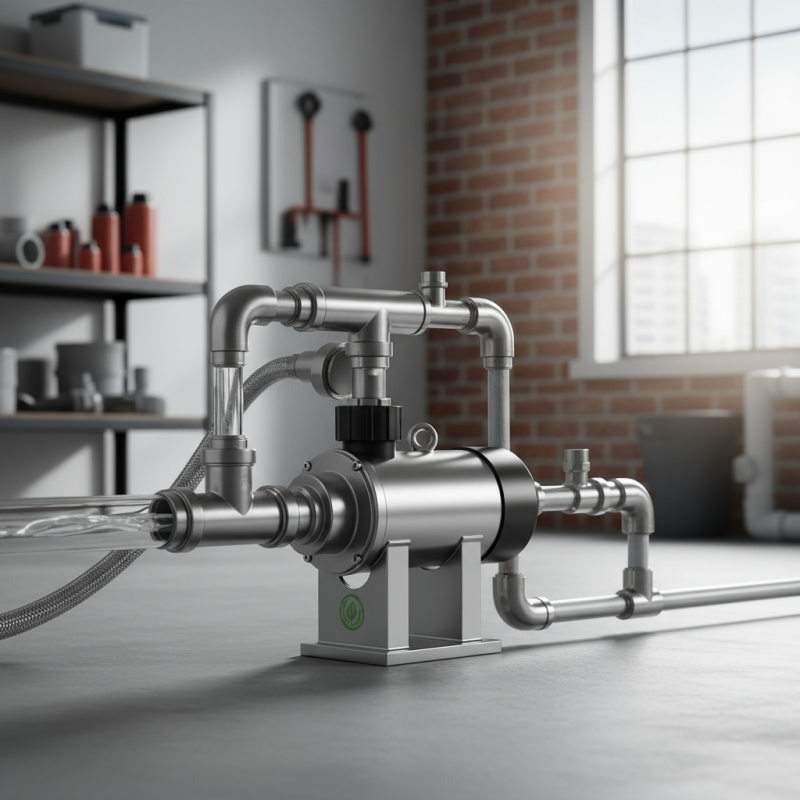
When it comes to efficient water transfer, the in line water pump stands out. According to industry reports, in line water pumps are essential in residential and commercial applications. They can increase flow rates significantly, often exceeding 50 gallons per minute.
These pumps maintain a compact design, making installation easier. They reduce space usage while ensuring high performance. However, not all in line water pumps are created equal. Some models may not meet your specific needs, requiring careful consideration.
Efficiency is key. Studies show well-designed in line water pumps can save up to 30% on energy costs. Choosing the right pump may seem daunting, with many options available. Think about the features you need. Look for durability and energy efficiency. What works best in one scenario may fail in another. In the evolving landscape of water transfer technology, staying informed is crucial.
Understanding Inline Water Pumps and Their Functionality
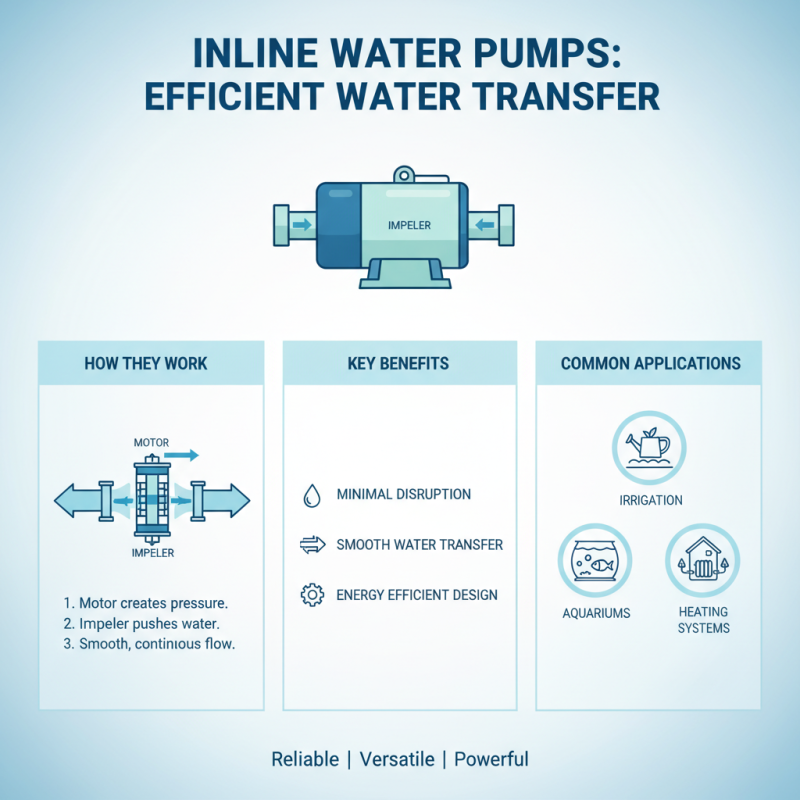
Inline water pumps play a crucial role in efficient water transfer. They are designed to move water from one place to another with minimal disruption. These pumps work by using a motor to create pressure, pushing the water through a pipe system. This design allows for smooth, continuous flow, making them ideal for various applications, including irrigation, aquariums, and even heating systems.
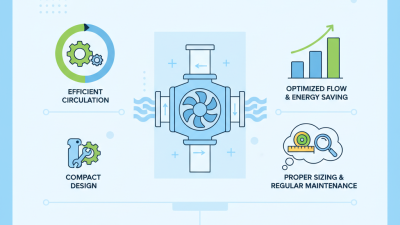
The main advantage of using inline water pumps is their compact size and versatility. They can fit into tight spaces, making them perfect for setups that lack room for larger equipment. However, maintenance can sometimes be overlooked. Regular inspection is vital to ensure they operate efficiently. Clogged filters or worn-out seals can lead to reduced performance. Also, improper installation may create leaks or noise, affecting overall functionality.
Understanding how these pumps function can help users make better decisions. Knowledge about flow rate and pressure requirements is essential. Users must consider specific needs before purchasing. Some may find that smaller pumps do not meet their demands, leading to frustration. Being aware of these factors can save time and money in the long run.
Key Features to Look for in Efficient Inline Water Pumps
When choosing an inline water pump, it’s essential to identify key features that enhance efficiency. Look for pumps with high flow rates. A flow rate of 1000 gallons per hour is often ideal for residential needs. This benchmark allows for quick water transfer without sacrificing power. Additionally, a solid motor power between 1-2 HP can drive effective performance in various applications.
Consider the materials. Stainless steel bodies resist corrosion, extending the pump's lifespan. Plastic pumps are lighter but may not be as durable. Hydraulic design plays a role too. Efficient impeller design can reduce energy consumption and enhance performance. Research indicates that well-designed impellers can improve flow efficiency by up to 20%.
Tip: Always check the pump’s head pressure. A good water pump needs to sustain pressure while lifting water effectively. Aim for a model with a minimum of 30 feet of head pressure for optimal results in residential setups. Also, pay attention to noise levels. A quiet pump can be crucial, especially in residential areas.
Lastly, consider maintenance. Ease of access to components can save time and effort. If you find that many pumps require frequent repairs, it might be an indicator to rethink your choice. Don’t overlook the importance of user reviews. They can provide insight into real-world efficiency. Each detail matters in finding the right pump for effective water transfer.
Top Inline Water Pumps for Residential and Commercial Use
When selecting inline water pumps for residential and commercial use, efficiency is key. These pumps can handle various tasks. They serve gardens, pools, and industrial systems with ease. Some units can transfer water at impressive rates. It's important to choose one with the right specifications for your needs.
Consider the installation process. Some pumps are straightforward. Others may require professional help, which adds to the cost. Look into the energy consumption too. An energy-efficient model saves money in the long run. However, not all efficient models are affordable. Assessing the balance between cost and efficiency often entails careful consideration.
Maintenance is another aspect to reflect on. Inline pumps need regular upkeep. They don’t always provide warnings when issues arise. Over time, wear and tear can diminish efficiency. Users might overlook this until faced with unexpected repairs. A proactive approach to maintenance can enhance the lifespan and performance of your pump.
Best Inline Water Pumps for Efficient Water Transfer
Maintenance Tips for Keeping Inline Water Pumps Running Smoothly
When it comes to maintaining inline water pumps, attention to detail is key. Regular cleaning is a must. Debris can easily clog filters, reducing efficiency. Wipe down external surfaces and check for dust and dirt buildup. This small action can enhance performance significantly.
Next, monitoring the pump's seals and gaskets is crucial. These components can wear out over time. Look for signs like leaks or unusual noises. Regular inspections help catch issues before they become significant. Replace damaged parts promptly. It saves you trouble down the line.
Lastly, fluid levels matter. Always ensure that the pump is adequately lubricated. Insufficient lubrication can lead to overheating and damage. Depending on usage, check levels at least once a month. Make adjustments as needed, but don’t overdo it. Too much fluid can also be problematic. Keeping these tips in mind will help your inline water pump run smoothly and efficiently.
Best Inline Water Pumps for Efficient Water Transfer
| Pump Model |
Max Flow Rate (GPM) |
Power (HP) |
Max Head (Feet) |
Weight (lbs) |
Efficiency Rating |
| Model A |
25 |
1.5 |
50 |
30 |
Highly Efficient |
| Model B |
30 |
2.0 |
60 |
35 |
Medium Efficiency |
| Model C |
20 |
1.0 |
40 |
28 |
Below Average |
| Model D |
28 |
1.5 |
55 |
32 |
Highly Efficient |
| Model E |
22 |
1.2 |
45 |
29 |
Medium Efficiency |
Maintenance Tips for Keeping Inline Water Pumps Running Smoothly
- Regularly check and clean filters to prevent blockages.
- Inspect seals and gaskets for any leaks.
- Ensure that the pump is properly lubricated.
- Avoid running the pump dry; always ensure there's enough water intake.
- Periodically test the motor and electrical connections for any issues.
- Store the pump in a dry place during the off-season to prevent corrosion.
Comparing Inline Water Pumps with Other Water Transfer Solutions
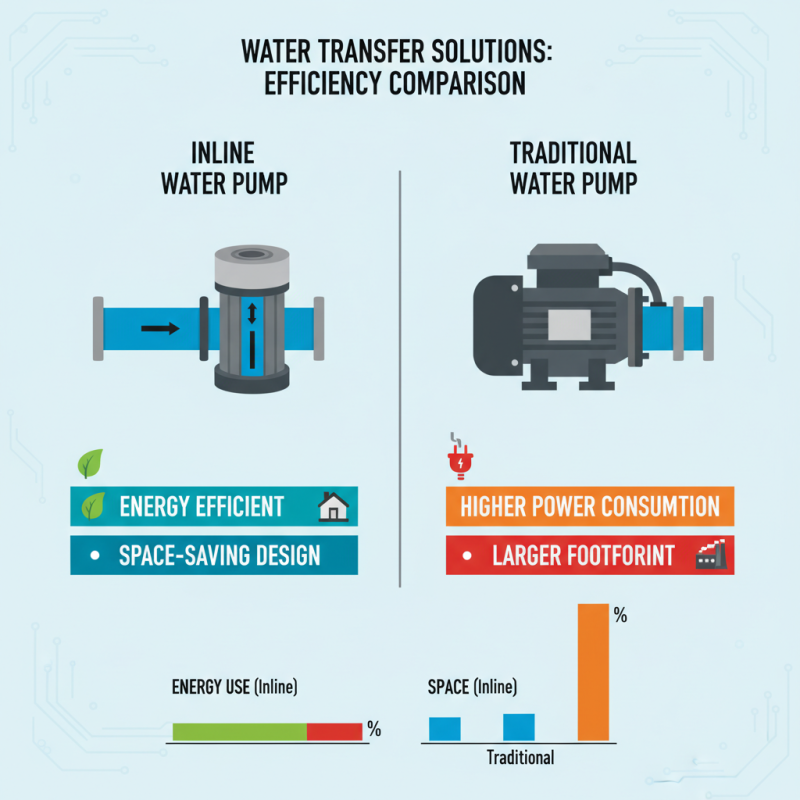
When comparing inline water pumps with other water transfer solutions, efficiency plays a key role. Inline pumps are designed to move water quickly, minimizing energy use. They can fit into tighter spaces, making them ideal for various settings. Traditional pumps, however, might take up more room. They often consume more power, which can inflate energy bills.
Flexibility is another factor to consider. Inline pumps can be used for diverse applications, from gardens to pools. Some alternative methods may require additional equipment or adjustments. In some cases, using hoses or gravity can be ineffective. The water flow might not be sufficient for larger tasks. As for maintenance, inline pumps may require regular attention, but they can withstand wear better over time.
Some users report that inline systems can be complicated to install. This can deter potential buyers. Others wonder if they truly need the power and speed an inline pump provides. Simple solutions might suffice for smaller tasks, even if they take longer. Weighing these factors helps in making an informed choice for water transfer needs.