Top 10 Best Water Pumps for Home Use in 2026?
Choosing a reliable water pump for home use is essential. With numerous options available, it can be overwhelming. You want a pump that meets your needs. In 2026, the best water pumps combine efficiency and durability.
Homeowners often face various challenges, such as flooding or irrigation needs. A proper water pump can greatly ease these problems. The right model should provide reliable performance while being easy to use. People sometimes underestimate maintenance. Regular checks can extend the lifespan of your water pump for home applications.
In this guide, we will explore the top 10 water pumps available this year. Each option offers unique features that cater to different needs. You may find some brands more appealing than others. However, personal preferences vary. It is crucial to reflect on what works best for your specific situation.
Top 10 Home Water Pumps: Overview of Key Features and Specifications
When selecting a water pump for home use, key features matter. A reliable pump should have a good flow rate, usually measured in gallons per minute (GPM). Look for units that can move water effortlessly. The pump’s power consumption is also essential. Efficient models save energy and reduce your electricity bill.
Another critical aspect is the material used. Pumps made with durable materials resist corrosion better than plastic alternatives. Consider the size of the pump as well. Compact designs fit snugly in tight spaces. Easy maintenance features can save time and effort over the long run.
Noise levels can be a concern too. Some pumps operate quietly, making them ideal for homes. A self-priming feature may simplify the process, but not all models have this. Researching specifications is crucial before making a decision. Consider your water needs and available space carefully. Each situation is unique, and the best choice varies.
Top 10 Best Water Pumps for Home Use in 2026
This chart displays the flow rate (in gallons per minute) and power consumption (in watts) of the top 10 best home water pumps for 2026.
Comparative Analysis of Flow Rates: Choosing the Right Capacity Water Pump
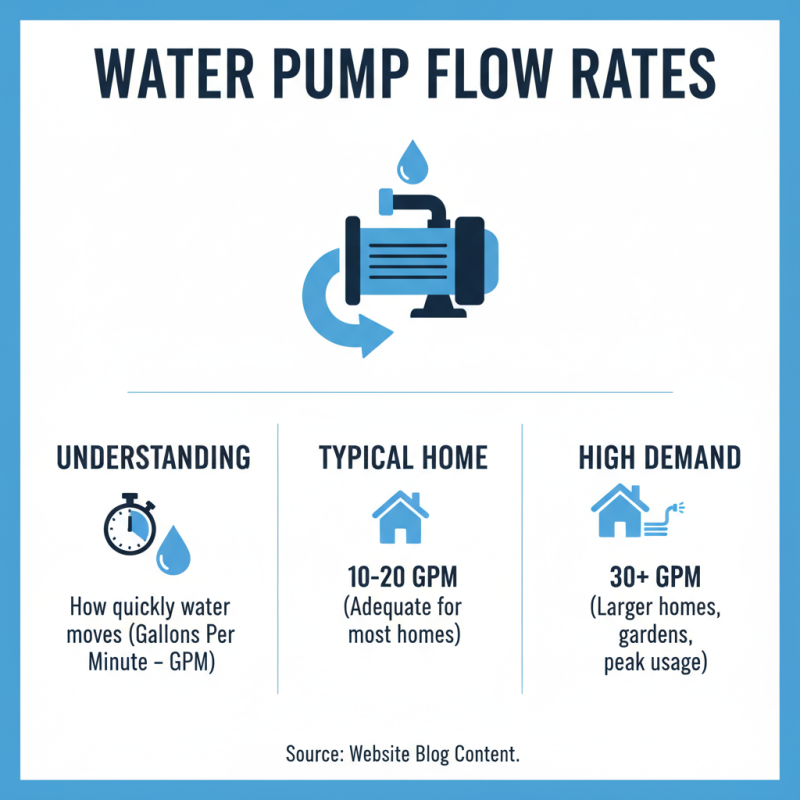
When selecting a water pump, understanding flow rates is crucial. Flow rate indicates how quickly water can be moved from one place to another. For homes, a flow rate of 10 to 20 gallons per minute (GPM) is often adequate. In larger homes or gardens, you may need higher flow rates. Reports show that homes with higher demands require pumps with capacities exceeding 30 GPM, especially during peak usage.
Capacity affects not just the speed but also the efficiency of the pumping system. A pump operating below its optimal capacity can lead to excessive wear or underperformance. Data from industry studies reveal that around 40% of homeowners underestimate their flow rate needs. It's essential to consider your specific requirements, such as irrigation or household use.
Selecting a pump with the correct flow rate and capacity will save you time and resources. However, many users face challenges in balancing these specifications. It’s crucial to assess usage patterns carefully. There is no one-size-fits-all solution. Regular maintenance is also key to ensuring longevity and optimal performance of your water pump. Remember, an informed choice leads to better outcomes.
Understanding Energy Efficiency Ratings for Home Use Water Pumps
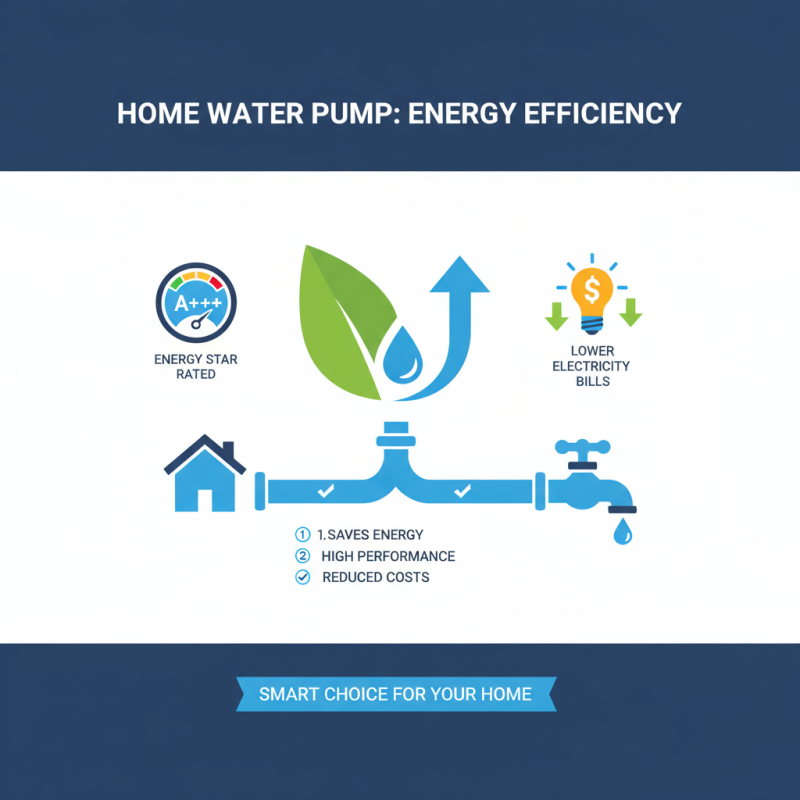
When selecting a water pump for home use, energy efficiency ratings play a crucial role. These ratings indicate how effectively a pump utilizes energy. A more efficient pump leads to lower electricity bills. For example, look for models with high Energy Star ratings. They save energy while still delivering excellent performance.
Understanding these ratings can be confusing. You might see terms like “horsepower” and “flow rate”. It’s essential to know that higher horsepower doesn’t always mean better efficiency. Sometimes, a lower horsepower model is more suitable for your needs. Also, consider the pump's size. A pump that is too large can waste energy.
Choosing the right model requires careful thought. Don’t rush your decision. Each home has unique water needs. Take time to assess your requirements. Reflect on the energy sources available in your area. This can significantly impact your long-term costs. Ultimately, an energy-efficient pump can lead to substantial savings. An informed choice today results in better efficiency and lower expenses tomorrow.
Market Trends: Sales Data and Innovations in Water Pump Technology
The water pump market is evolving rapidly. Recent reports indicate that the global water pump market is expected to exceed $60 billion by 2026. This growth is driven by increased demand for residential water systems and improving technologies. Innovations are focusing on energy efficiency and smart features. These advancements can lead to a 20% reduction in energy costs.
However, not all innovations live up to the hype. Some new models promise too much but deliver less. Selecting a water pump solely based on features can lead to dissatisfaction. It’s essential to assess actual performance data and user feedback before making a purchase. Pay attention to factors like flow rate and power consumption.
Tips: Always consider your specific needs. A pump that works wonders for one household may not suit another. Check for noise levels, especially in quieter neighborhoods. Installation complexity is another factor to weigh. Sometimes, a more straightforward model is better, even if it lacks the latest gadgetry.
Maintenance and Longevity: Best Practices for Home Water Pump Care
Maintaining a home water pump is crucial for its longevity and efficiency. Regular checks can prevent costly repairs. It is recommended to inspect seals and connections monthly for wear and tear. Data from the Home Improvement Research Institute indicates that routine maintenance can prolong pump life by up to 30%. Just think about it. A small leak today could turn into a major issue tomorrow.
Remember to clean the pump and its surrounding area. Dust and debris can clog the system, affecting performance. Manufacturers suggest flushing the pump every six months. This can help in maintaining optimal performance. Also, check the pump's electrical connections. Loose wires could lead to malfunctions.
Tip: Install a
surge protector to shield your pump from electrical spikes.
It's important not to ignore sounds coming from your pump. Odd noises could signal potential issues. Addressing these early can save time and money. Annual professional inspections are also advisable. They can catch problems that homeowners might overlook. The hassle is worth the peace of mind. After all, a
wellaMaintain pump is a happy pump.