How to Choose the Best Small Electric Water Pump for Your Needs?
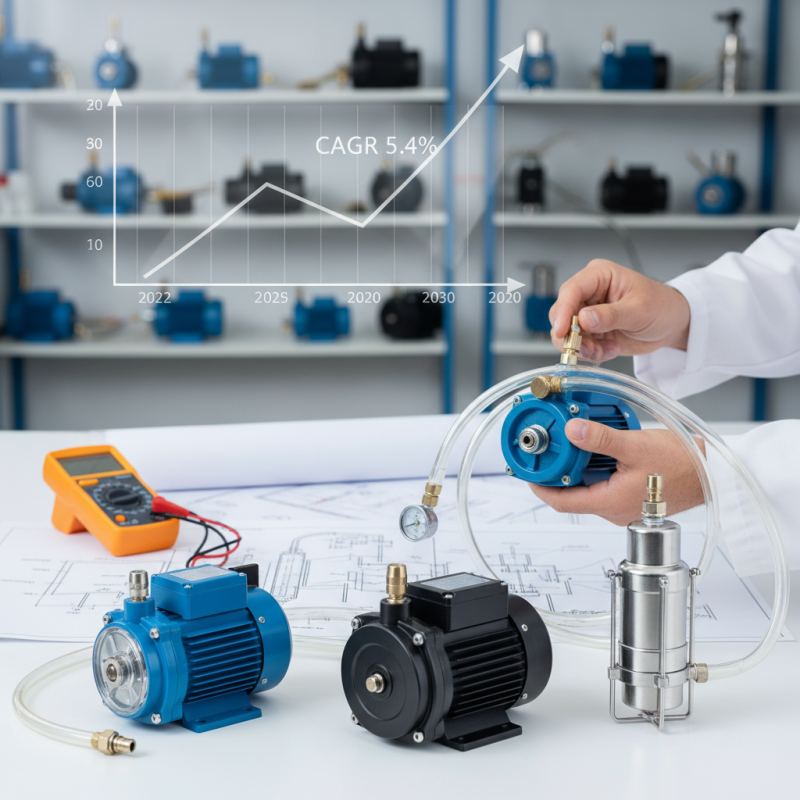
Choosing the right small electric water pump can significantly impact efficiency and performance. The global small electric water pump market has grown significantly, with a projected compound annual growth rate (CAGR) of 5.4% from 2022 to 2030, according to a recent report by Market Research Future. This growth indicates an increasing reliance on these pumps in various applications, from gardening to industrial uses.
Expert insights are invaluable in this decision-making process. As noted by Dr. James Williams, a leading industry expert, "Selecting a small electric water pump should be guided by specific needs, not just price." This highlights the importance of understanding your requirements. Metrics like flow rate, pressure, and energy efficiency can’t be overlooked. Failing to consider these factors can lead to suboptimal performance.
Furthermore, many users mistakenly assume all pumps are the same. This misconception can lead to frustration and waste. Choosing a small electric water pump requires attention to detail and careful consideration of specific operating conditions. The right choice can make all the difference in achieving desired outcomes without unnecessary costs.
Understanding Your Water Pump Requirements: Flow Rate and Pressure Needs
When choosing a small electric water pump, understanding flow rate and pressure is crucial. The flow rate measures how much water a pump can move per minute. For typical household needs, a flow rate between 3 to 5 gallons per minute (GPM) is often sufficient. A report from the American Society of Plumbing Engineers indicates that most residential applications fall within this range. However, specific needs may require higher rates, especially for irrigation or larger water features.
Pressure needs are equally important. Water pressure, measured in pounds per square inch (PSI), influences the pump's efficiency. The required pressure can vary based on the application. For instance, garden irrigation might need around 30 to 40 PSI. Conversely, pressure washing could require more than 70 PSI. Some applications may not function with a lower pressure. This inconsistency highlights the challenge in selecting the right pump. Each scenario can have unique requirements that don't always align with standard options.
Beyond these numbers, consider the environment. The installation site, elevation, and distance from the water source affect performance. A pump may struggle if placed too far from the water source or at a higher elevation. This can lower the overall efficiency and lead to frustrating results. An understanding of these factors helps in making a more informed decision. Balancing flow, pressure, and environmental conditions can lead to better choices and outcomes.
Key Features to Look for in Small Electric Water Pumps
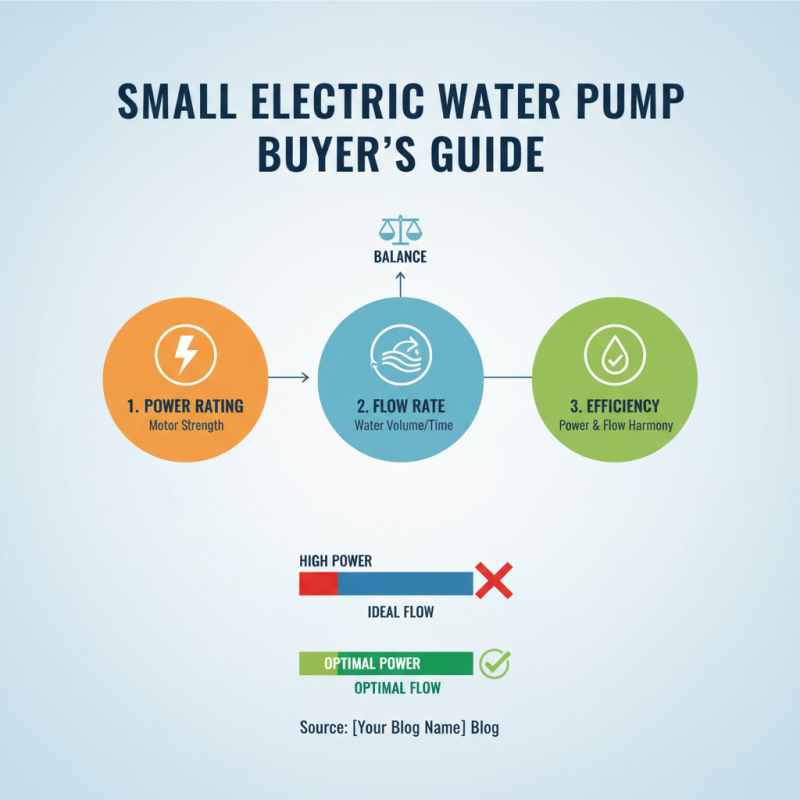
When choosing a small electric water pump, several key features deserve your attention. First, consider the power rating. A powerful motor ensures efficient water flow. However, don't just focus on power; check the pump's flow rate. This indicates how quickly water can be moved. A pump that is too powerful may cause overflow issues. A balance is essential.
Portability often matters, too. Look for lightweight designs that are easy to move. This can be tricky; some small pumps are bulky despite their size. Durability is another critical feature. Check the materials used in construction. Plastic pumps may be lighter but may not last long. Moreover, always assess the noise level. Some pumps can be quite loud, which might not be ideal for quiet environments.
Lastly, consider the pump's size and hose compatibility. A small pump that doesn't fit your hoses is useless. Note that not all hoses fit all pumps. It can lead to frustrating situations. User reviews can shed light on real-life performance. Don't forget to account for the warranty. It could save money on repairs later. Balancing all these features can be complex but essential when making your choice.
Evaluating Pump Types: Submersible vs. Surface Electric Pumps
When choosing between submersible and surface electric pumps, several factors must be considered. Submersible pumps are designed to operate underwater. They are usually more efficient, moving water quickly and quietly. According to a report by the Water Pump Industry Association, submersible pumps can save up to 20% in energy costs compared to surface pumps. This efficiency makes them suitable for residential drainage or pond maintenance.
Surface pumps, on the other hand, draw water from a source above ground. They can be easier to install and maintain due to their accessibility. However, they might struggle with high altitude or deep water sources. Some studies indicate that surface pumps might need more routine maintenance, which could add to your long-term costs.
Both options have their advantages and drawbacks. It’s challenging to determine the right choice without understanding specific needs. Your water source, the distance to be covered, and maintenance considerations can significantly influence your decision. Without careful evaluation, you might choose a pump that underperforms or overshoots your requirements, leading to frustration later on.
Maintenance Considerations for Longevity and Performance
When selecting a small electric water pump, maintenance is crucial for enhancing longevity and performance. Regular checks of the pump's components can significantly influence its lifespan. According to industry reports, over 35% of pump failures stem from inadequate maintenance. Simple tasks like cleaning filters and inspecting seals can prevent serious issues down the line.
Tips: Always disconnect power before maintenance. This ensures safety while you work on the pump.
Proper lubrication is essential for reducing friction and wear. Look for grease fittings and ensure they are regularly serviced. Reports indicate that pumps with well-maintained lubrication systems can operate up to 15% more efficiently. Keep in mind that even minor irregularities in maintenance can lead to performance drops.
Tips: Set a maintenance schedule. Frequent checks can save you money and time.
Don’t overlook the importance of cooling. Pumps can overheat if water flow is restricted. Keeping the pump free from debris and ensuring optimal water levels is vital. Oversights in these areas can lead to reduced efficiency or complete failure. Regular monitoring and responsible usage increase the reliability of your pump.
Cost-Effectiveness: Balancing Quality and Budget for Your Pump Choice
When choosing a small electric water pump, cost-effectiveness is key. Finding a balance between quality and budget can be tricky. You want a pump that performs well without breaking the bank. A higher price often signifies better materials and durability. However, it’s essential to evaluate if you truly need those features.
Sometimes, a lower-priced model can meet your needs just as effectively. Look for customer reviews and ratings. They can provide insight into real-world performance. Consider the energy efficiency of the pump too; a more efficient model may save you money in the long run.
Be cautious about overlooked details. Some pumps have hidden costs, like additional accessories or installation fees. Determine your specific needs before purchasing. Are you using it for a garden, or do you need it for home use? Matching the pump to your needs can prevent future dissatisfaction. Remember, the goal is to find something that fits your budget and accomplishes your tasks effectively.
How to Choose the Best Small Electric Water Pump for Your Needs? - Cost-Effectiveness: Balancing Quality and Budget for Your Pump Choice
| Model |
Power (W) |
Flow Rate (GPH) |
Max Head (ft) |
Price ($) |
Energy Efficiency Rating |
| Pump A |
150 |
500 |
30 |
75 |
A+ |
| Pump B |
200 |
600 |
40 |
85 |
A |
| Pump C |
120 |
450 |
25 |
65 |
B |
| Pump D |
250 |
700 |
50 |
95 |
A++ |