Why You Should Choose an Inline Water Pump for Efficient Water Circulation
In today's world where water efficiency is paramount, the choice of an inline water pump can significantly enhance water circulation in various applications. According to Mark Thompson, a renowned expert in hydraulic systems, "An inline water pump optimizes flow rates and efficiency, ensuring that every drop of water is utilized effectively." With the increasing emphasis on sustainable practices and energy conservation, understanding the advantages of inline water pumps is more crucial than ever.
These pumps are designed to boost water movement with minimal resistance, seamlessly integrating into existing plumbing systems. Their compact design not only saves space but also enhances the overall performance of water circulation systems in residential, commercial, and industrial settings. As more individuals and businesses recognize the benefits of efficient water management, the inline water pump stands out as an exemplary solution that promises reliability and effectiveness in ensuring optimal water flow.
By choosing an inline water pump, users can experience reduced energy consumption, lower operational costs, and improved overall system efficiency. As we delve deeper into the topic, we will explore the compelling reasons why this type of pump is a smart choice for anyone looking to enhance their water circulation systems.
Benefits of Inline Water Pumps for Water Circulation Efficiency
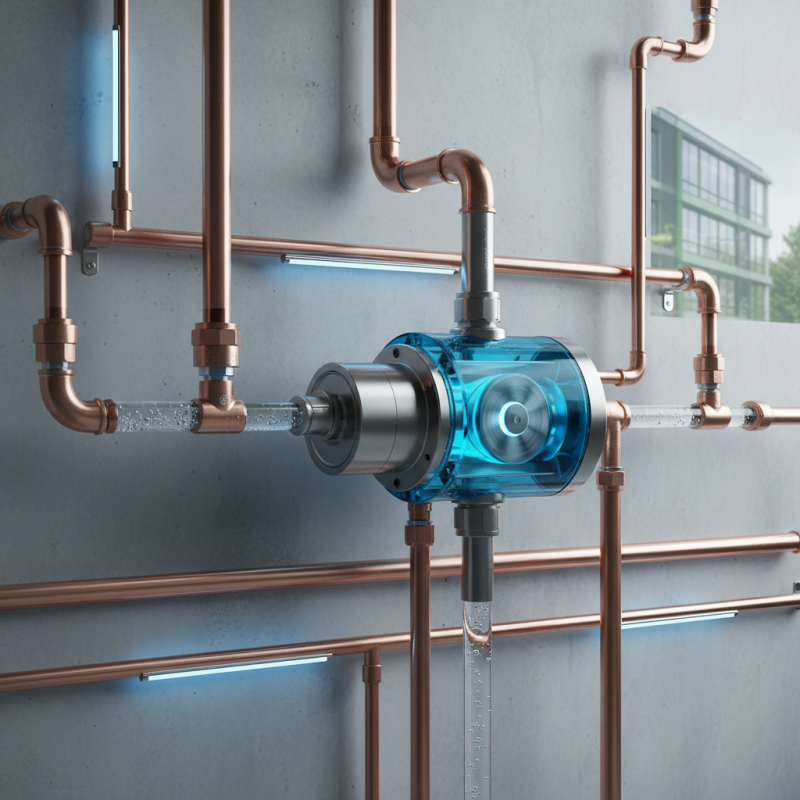
Inline water pumps offer several distinct advantages that enhance water circulation efficiency in various applications. One of the primary benefits is their design, which allows for a more streamlined flow of water compared to traditional pump systems. Because they are installed directly within the piping system, inline pumps reduce the risk of turbulence commonly associated with external pumping solutions. This results in a more efficient transfer of water, ensuring that systems can operate at optimal performance levels, whether in heating, cooling, or water supply configurations.
Another significant advantage of inline pumps is their compact size and ease of integration into existing systems. These pumps occupy less space and can be installed in tight areas without extensive modifications to the piping layout. Moreover, their ability to handle varying flow rates and pressures makes them versatile for various applications, from residential settings to larger commercial systems. The energy efficiency of inline pumps can also lead to reduced operational costs, as they often require less energy to maintain desired flow levels compared to other pump types, making them a cost-effective solution for sustained water circulation.
Benefits of Inline Water Pumps for Water Circulation Efficiency
Understanding How Inline Water Pumps Operate
Inline water pumps are designed to efficiently circulate water within a system by operating in a continuous loop. Unlike standard pumps that draw water in and push it out, inline pumps utilize a strategy where water flows through a piping system and passes directly through the pump. This design allows for optimal flow and reduces energy consumption, making them a favored choice in various applications, from aquariums to heating systems.
When selecting an inline water pump, consider the proper sizing based on your system's requirements. The flow rate and pressure should be matched to ensure efficient operation. Additionally, pay attention to the pump's materials, especially if you are pumping chemicals or water that's exposed to specific conditions. Ensuring compatibility will enhance durability and performance.
Tips: Regular maintenance is key to keeping your inline pump functioning smoothly. Clean the pump and surrounding components to prevent blockages. Additionally, monitor the pump for any unusual noises, as this could indicate wear or malfunction. Checking seals and fittings can prevent leaks, ensuring that your system remains efficient over time.
Key Features to Look for in an Inline Water Pump
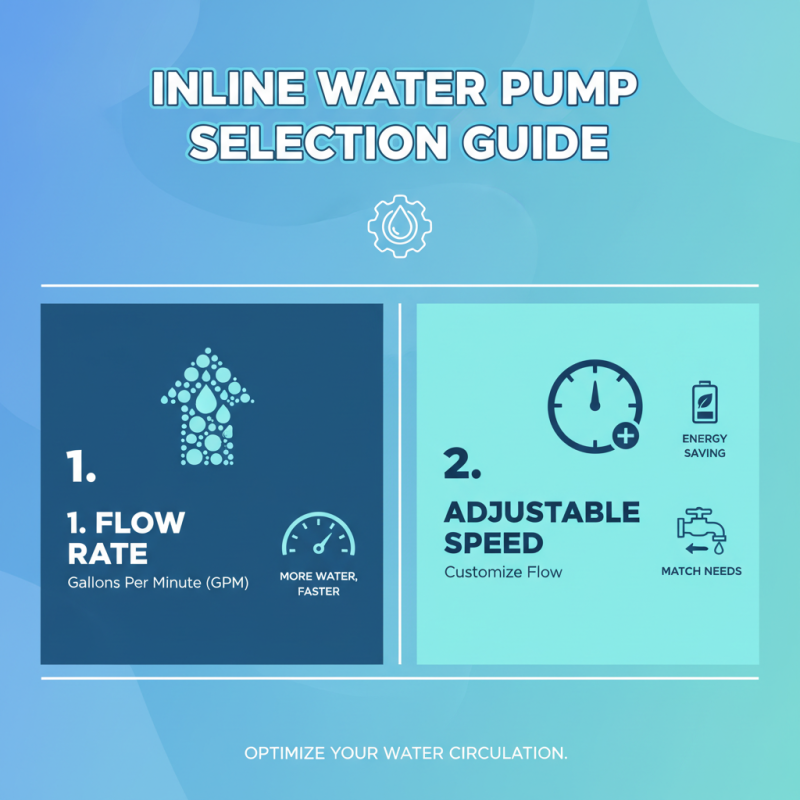
When selecting an inline water pump, there are several key features to consider that can significantly enhance your water circulation efficiency. First, pay attention to the pump's flow rate, which is measured in gallons per minute (GPM). A higher flow rate means that the pump can move more water in a shorter amount of time, making it ideal for demanding applications. Additionally, look for a pump with adjustable speed settings. This feature allows you to customize the water flow to match specific needs, reducing energy consumption during lower demand periods.
Another important aspect is the pump's construction material. High-quality materials such as stainless steel or reinforced plastic not only enhance durability but also improve resistance to corrosion and wear. This will lead to a longer lifespan and less maintenance, ultimately saving you time and money in the long run. It’s also beneficial to check if the pump is designed for easy installation and should come with clear instructions for setup.
Tips: When evaluating an inline water pump, consider its noise level—quieter pumps can be a substantial advantage in maintaining a peaceful environment. Additionally, opt for a pump with a warranty as this reflects the manufacturer's confidence in their product and provides you with peace of mind regarding your investment. Lastly, ensure that the pump's design includes features that facilitate easy cleaning, as this will help maintain optimal performance over time.
Comparing Inline Water Pumps with Other Pump Types
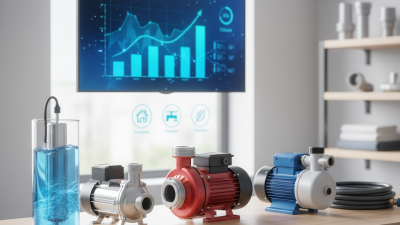
When considering water pumps for efficient circulation, inline water pumps often stand out compared to other types like submersible or centrifugal pumps. Inline pumps are designed to be installed directly into the piping system, allowing for less space usage and eliminating the need for a dedicated pump basin. This setup not only ensures a seamless flow of water but also minimizes energy waste, making it an ideal choice for both residential and commercial applications.
One significant advantage of inline water pumps is their ability to operate continuously without losing prime, which can be a common issue with submersible pumps. Additionally, they offer easier maintenance access since they can be serviced without disrupting the entire system. For homeowners or businesses looking to maintain optimal water flow with minimal hassle, inline pumps are an efficient solution.
Tips for choosing the right inline water pump include assessing the specific flow rate requirements for your system and ensuring compatibility with existing piping. Regular maintenance checks, including monitoring for leaks and noise, can significantly enhance the lifespan of an inline pump. Finally, always consult with a professional to evaluate your unique needs and to ensure proper installation.
Why You Should Choose an Inline Water Pump for Efficient Water Circulation
| Pump Type |
Efficiency (%) |
Flow Rate (GPM) |
Maintenance |
Cost ($) |
| Inline Water Pump |
85 |
20 |
Low |
300 |
| Submersible Pump |
75 |
15 |
Medium |
250 |
| Centrifugal Pump |
80 |
30 |
High |
500 |
| Diaphragm Pump |
70 |
10 |
Medium |
400 |
Applications of Inline Water Pumps in Various Industries
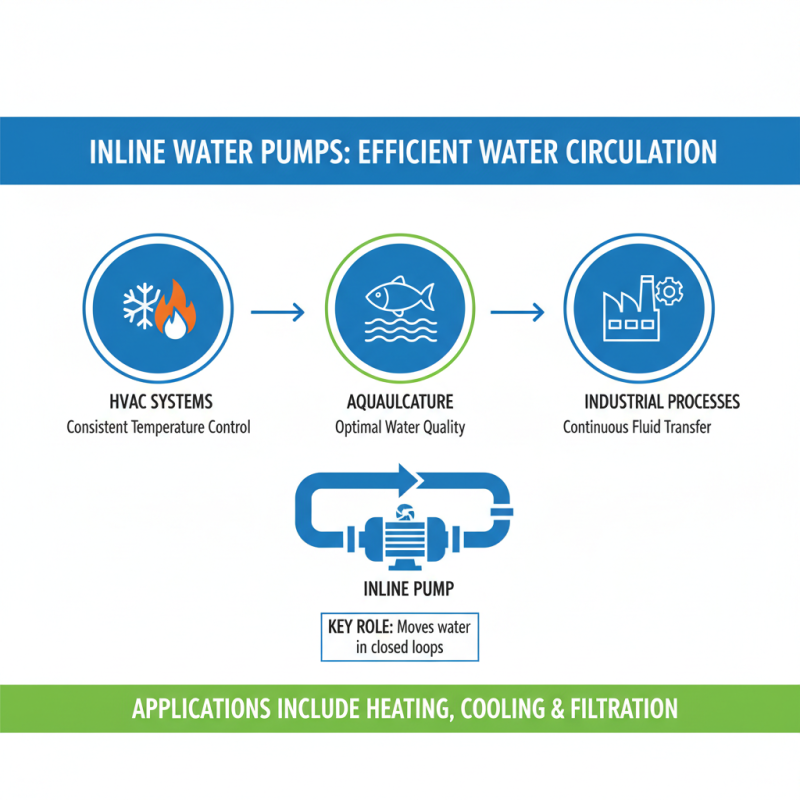
Inline water pumps play a crucial role in efficient water circulation across various industries. These pumps are designed to move water continuously within a closed loop, making them ideal for applications such as heating, cooling, and aquaculture. In commercial HVAC systems, inline water pumps ensure consistent temperature control by circulating water through radiators and chillers. In aquaculture, these pumps maintain optimal water quality and temperature in fish tanks, facilitating a healthy environment for aquatic life.
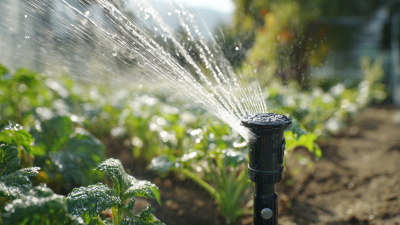
In the agricultural sector, inline water pumps are widely used for irrigation systems, enabling farmers to distribute water evenly across their fields. This efficient circulation reduces water waste and promotes healthy crop growth. Additionally, inline pumps find applications in industrial processes, such as chemical manufacturing, where they can transfer fluids with precision without contaminating the mixtures.
Tips for selecting the right inline water pump include considering the flow rate and head pressure requirements specific to your application. Additionally, ensure that the materials used for the pump construction are compatible with the fluids being circulated to prevent deterioration or contamination. Regular maintenance checks are crucial to keep the pump functioning optimally and to prevent unexpected downtimes.