Why Choose Waterjet Cutting Machinery for Your Business?
In today’s manufacturing landscape, the choice of technology can set businesses apart. waterjet cutting machinery stands out for its precision and versatility. As industry expert Dr. Emily Thompson states, “Waterjet cutting is not just a method; it’s an innovation that enhances productivity.” This quote emphasizes the transformative power of this technology.
waterjet cutting machinery uses high-pressure water streams to cut through various materials, including metal, glass, and stone. This process generates minimal heat, reducing the risk of warping. It’s intriguing how businesses leverage this technique to create intricate designs with unparalleled accuracy. However, many still overlook its potential and stick to traditional methods.
Investing in waterjet cutting machinery requires careful decision-making. The initial costs can be daunting. Yet, the long-term benefits often outweigh the expenses. Delaying the transition could mean falling behind competitors who embrace this advanced technology. It’s essential to evaluate both the immediate challenges and the promising opportunities waterjet cutting presents.
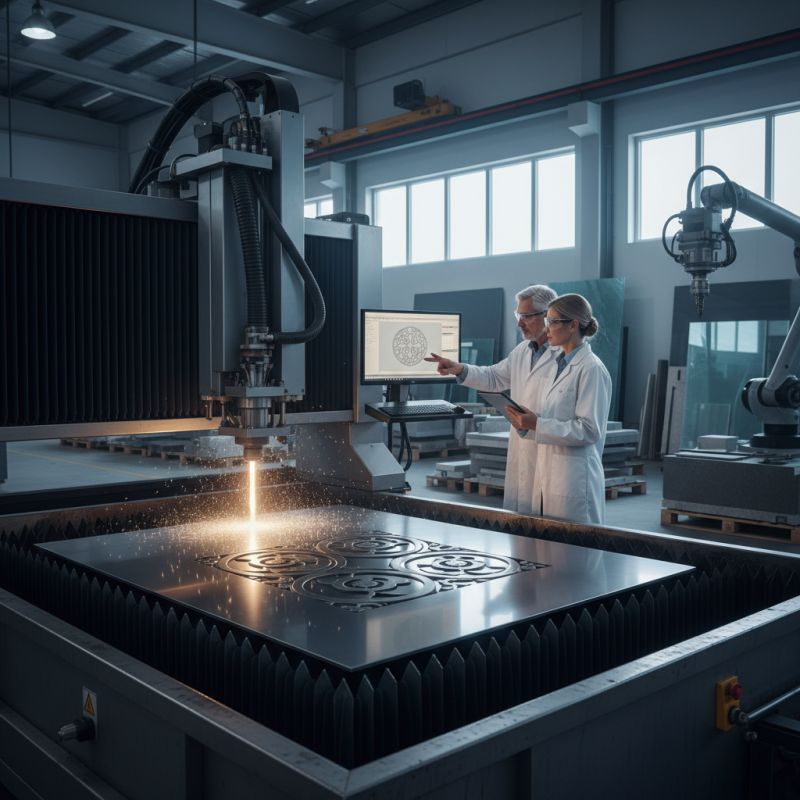
Advantages of Waterjet Cutting in Precision Manufacturing
Waterjet cutting is becoming a game changer in precision manufacturing. This method uses high-pressure water mixed with abrasive materials to cut through various materials. According to industry reports, it achieves tolerances as precise as ±0.005 inches. Manufacturers see this as a significant advantage in sectors needing high precision, like aerospace and automotive.
Waterjet technology is versatile. It cuts materials ranging from metals to glass without altering their properties. Unlike other cutting methods, waterjet cutting creates minimal heat-affected zones. Companies report less warping and deformation of materials. This leads to fewer defects in finished products. The ability to cut intricate shapes further enhances design freedom.
However, not all businesses harness this technology effectively. Initial investment costs can be high. Some manufacturers hesitate to adopt waterjet cutting due to perceived complexity. Training and maintenance can pose challenges. Acknowledging these barriers is essential for effective implementation. Embracing waterjet cutting requires reflection on commitment to quality and innovation in production techniques.
Cost Efficiency: Comparing Waterjet Cutting to Traditional Methods
Waterjet cutting is an innovative technology that offers various cost efficiencies. Compared to traditional cutting methods, it often reduces overall expenses. For businesses, this means lower material waste. Waterjet cutting minimizes the need for extensive tooling, which can be costly. This approach uses pressurized water to slice through materials with precision.
In many cases, companies find that their operations become more streamlined. Traditional methods may require more time for setup and adjustments. Waterjet cutting can often work right away. However, it does demand proper maintenance and operator training. Some businesses might struggle with these initial costs.
Moreover, versatility stands out as a significant advantage. Waterjet cutting can handle a wide range of materials, from metal to glass. Traditional methods often require specialized tools for different materials. Yet, a waterjet system can be complex. Operators must navigate software and maintain the machinery. This can create challenges, especially for smaller operations. Businesses need to weigh these factors carefully before making a change.
Industry Applications: Where Waterjet Cutting Excels
Waterjet cutting stands out in many industries. Its versatility makes it a top choice for various applications. This cutting method uses high-pressure water mixed with abrasives. It creates clean cuts in materials. Metals, plastics, and stone can all be expertly handled. This process is precise, which reduces waste.
In construction, waterjet cutting proves essential. It cuts through thick materials without creating heat. This prevents warping and damage. Fabricators appreciate its ability to create intricate designs.
Waterjet also works well in the aerospace sector. It allows for the cutting of lightweight components. These parts must meet strict tolerances.
However, waterjet cutting isn’t always perfect. Operators must be trained properly. Inexperienced users might struggle to achieve desired results. Regular maintenance is vital too. Machines can face wear and tear. Keeping them in good shape is essential for optimal performance. Even with its challenges, waterjet cutting remains a favored choice in many fields.
Environmental Impact: Benefits of Waterjet Cutting Technology
Waterjet cutting technology has gained popularity for its numerous environmental benefits. This method primarily uses water to cut materials, reducing the need for harmful chemicals often used in traditional cutting methods. By relying on water, businesses can create less waste and decrease their carbon footprint. The process produces minimal heat, preventing any harmful fumes or emissions, which is a significant advantage over other cutting techniques.
Moreover, waterjet cutting generates little to no scrap material. This efficiency allows companies to maximize their resources and reduce costs in the long run. However, not all materials can be cut using this method, which may limit its application in some industries. Businesses must assess their cutting needs to determine if waterjet technology is suitable for them.
While many benefits exist, companies should also reflect on the potential initial investment in waterjet machinery. The equipment can be costly, and the maintenance requires trained personnel. It's crucial to weigh these factors against the long-term savings on materials and environmental impacts. With growing pressures to be more sustainable, waterjet cutting may be the right choice for many businesses looking to improve their ecological footprint.
Performance Data: Speed and Accuracy of Waterjet Cutting Systems
Waterjet cutting systems are renowned for their impressive speed and accuracy. These machines can achieve intricate cuts with precision tolerances of up to 0.005 inches. This level of detail is especially beneficial in industries such as aerospace and automotive, where precision is paramount. The technology utilizes a high-pressure stream of water, often mixed with abrasive materials, allowing it to cut through various materials like metal, glass, and stone effectively.
The performance data showcases that waterjet cutters operate at speeds of up to 100 inches per minute. This rapid cutting capability enables businesses to enhance their productivity and reduce lead times. However, it is essential to note that not every project will benefit from such speed. Some may require a more thoughtful approach to cutting, especially for complex designs that need careful planning. Balancing speed and accuracy with project specifications can be challenging.
The versatility of waterjet cutting is another considerable advantage. It can tackle operations like small-scale prototypes or large industrial components. This range is appealing, yet it also presents a dilemma. Businesses must decide when it's appropriate to use such a powerful tool. Making the right choice can determine the success of a project, as over-reliance on speed can compromise the quality of cuts in intricate patterns.