How to Choose the Right Submersible Water Pump for Your Needs?
When selecting a submersible water pump, it's crucial to understand your specific needs. According to a report by MarketsandMarkets, the global submersible pump market is projected to reach $14.36 billion by 2025, reflecting its growing importance in various sectors. Factors such as efficiency, durability, and application type play significant roles in making the right choice.
Expert Tom Johnson, a well-known hydraulic engineer, emphasizes, “Choosing the right submersible water pump can save you time and money.” His insight reflects the common pitfalls many users encounter. Many often underestimate the power requirements or the pump's resistance to corrosive environments.
Identifying the correct pump size and material is not straightforward. Inadequate research can lead to underperformance or even damage. The need for efficiency continues to rise, yet many still opt for cheaper, lower-quality models. This can result in unnecessary repairs and replacements, which ultimately undermine the initial savings. Understanding these challenges is vital when making an informed decision.
Understanding the Different Types of Submersible Water Pumps
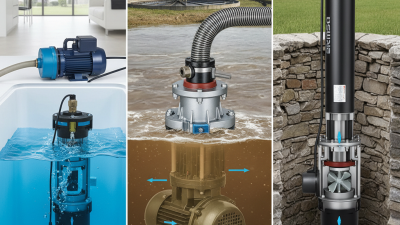
When choosing a submersible water pump, it’s essential to understand the different types available. There are primarily two types: sewage pumps and utility pumps. Sewage pumps handle tough liquids, including solids like toilet paper. They are ideal for draining basements or handling wastewater.
Utility pumps, on the other hand, work with clear water, effectively managing tasks like draining flooded areas. Consider the power source and capacity of each pump type. Electric pumps are common, but gas-powered options exist for remote locations. Knowing the depth and flow rate you need is crucial. Measuring the distance from the water source to the exit point helps identify the right pump. It’s easy to overlook these details and choose incorrectly.
Maintenance also cannot be ignored. It's not uncommon to see pumps fail due to lack of care. Regular cleaning and checks prevent many problems. Think about your specific needs. Are you using it frequently or occasionally? This reflection helps ensure that you choose a pump that truly fits your usage.
Evaluating Pump Specifications for Optimal Performance
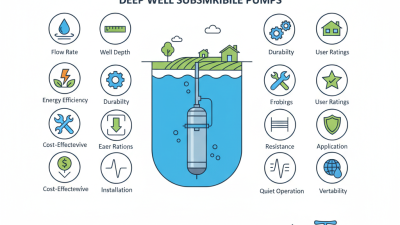
When choosing a submersible water pump, evaluating specifications is essential. The flow rate is crucial. It indicates how fast water can be moved. A higher flow rate suits larger tasks. This is important for draining pools or ponds. But a smaller flow rate can be more efficient for small gardens or fountains.
Consider the pump's power. It is measured in horsepower (HP). More HP means more strength but also higher energy costs. Think about how often you will use it. A powerful pump may be overkill for occasional tasks. Additionally, look at the pump's depth capability. Different pumps can operate at various depths. Ensure it matches your specific needs.
Pay attention to durability. Materials should resist corrosion, especially in saltwater environments. Also, think about maintenance. Some pumps require more upkeep than others. A high-maintenance pump can lead to frustration. Examine user reviews for insights on performance. Sometimes, the best specifications on paper don’t tell the whole story. Real-world feedback is invaluable.
Assessing Your Specific Pumping Needs and Applications
Choosing the right submersible water pump depends heavily on your specific needs. Various applications require different specifications. For instance, if you're pumping clear water, the requirements will differ from pumping sludge or wastewater. According to industry reports, about 70% of users overlook their actual pumping depth and water capacity needs. This often leads to sub-optimal pump performance.
Consider the flow rate as a key factor. You should evaluate how many gallons per minute (GPM) you need. Many studies suggest that a flow rate of around 10 to 20 GPM is adequate for residential use. However, for agricultural applications, you may need up to 100 GPM. It's essential to match your pump's capacity to your specific task.
Energy efficiency should also be on your radar. An efficient pump can save on electricity costs over time. Reports indicate that inefficient pumps can increase operational costs by up to 30%. Watch for wattage ratings and look for pumps labeled for energy efficiency. You might find a perfect match, but failing to consider these details could lead to excess energy use and frustration.
Considering Energy Efficiency and Power Requirements
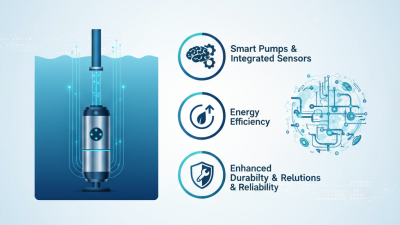
Choosing the right submersible water pump involves careful consideration of energy efficiency and power requirements. Energy efficiency is crucial as it directly impacts your utility bills. According to a report by the U.S. Department of Energy, efficient water pumps can reduce energy consumption by as much as 25%. The initial cost may be higher, but the long-term savings justify the investment.
Power requirements are equally important. Each pump has a specific power rating. Often, users miscalculate the required horsepower, leading to inefficient operation. An underpowered pump may struggle to perform, while an oversized pump could waste energy. Calculating the needed flow rate and total dynamic head is essential in this context.
Furthermore, selecting the right motor type also matters. A submersible pump's motor should match the application it serves. For example, a dual-voltage motor provides flexibility and can optimize energy use. Based on studies, equipment that aligns power requirements with application efficiency reduces operational costs by up to 30%. This connection highlights the importance of a well-thought-out decision process.
Maintenance and Longevity: Choosing the Best Pump for Durability
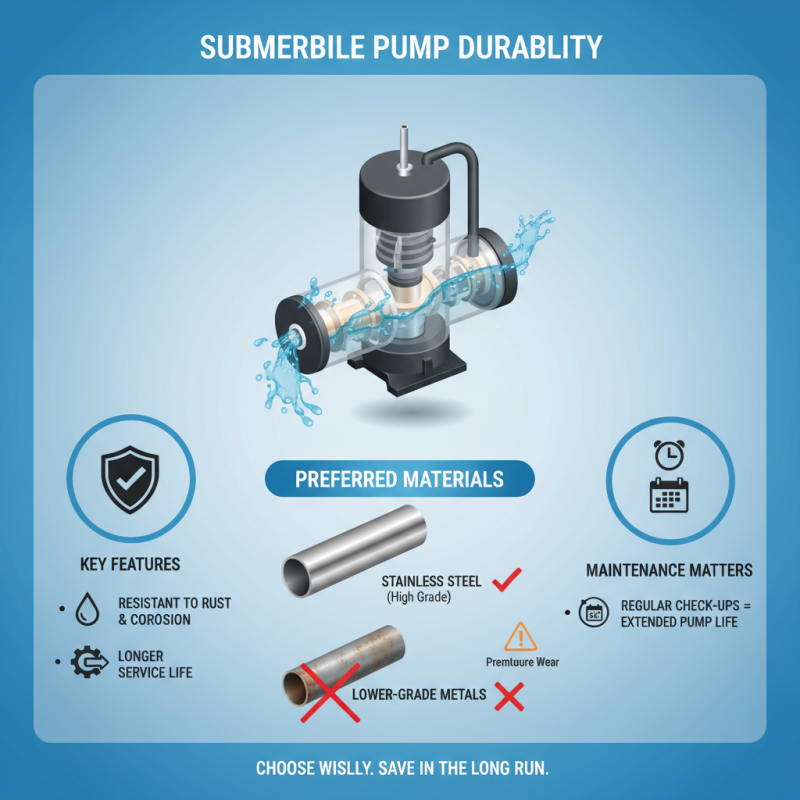
When choosing a submersible water pump, durability matters. Look for materials resistant to rust and corrosion. Stainless steel is often a good choice. However, not all pumps are made equal. Some may use lower-grade metals, leading to premature wear. Regular maintenance can extend the life of any pump.
Inspect the pump regularly for blockages. Clean the filters and check the impeller. A neglected pump may fail when you need it most. It's crucial to ensure proper storage during off-seasons. If stored improperly, even the best pumps may develop issues.
Pay attention to the usage environment. Pumps in abrasive or chemical-rich water may degrade faster. It’s wise to research the pump's specifications before purchase. Higher quality might cost more upfront, but savings come from fewer replacements. Make informed choices for longevity and reliability.