How to Choose the Right Submersible Well Pump for Your Home Needs
Choosing the right submersible well pump for your home is a crucial decision that can significantly affect your water supply's efficiency and reliability. A submersible well pump operates underwater, pushing water to the surface through a series of pipes, and is often selected for its ability to handle deep water sources and deliver consistent pressure. When selecting a pump, it's important to consider several factors such as the depth of your well, the water quality, and the specific water output requirements for your household.
Understanding the unique needs of your home will help ensure that you select a submersible well pump that not only meets your current demands but also accommodates future water needs. Factors like horsepower, flow rate, and material construction can greatly influence the longevity and performance of the pump. Furthermore, this introduction to choosing the right pump emphasizes the necessity of thorough research and evaluation of different options available in the market, guiding homeowners to make an informed decision tailored to their specific circumstances. Taking the time to analyze these considerations will pave the way for dependable water access, making your investment worthwhile.
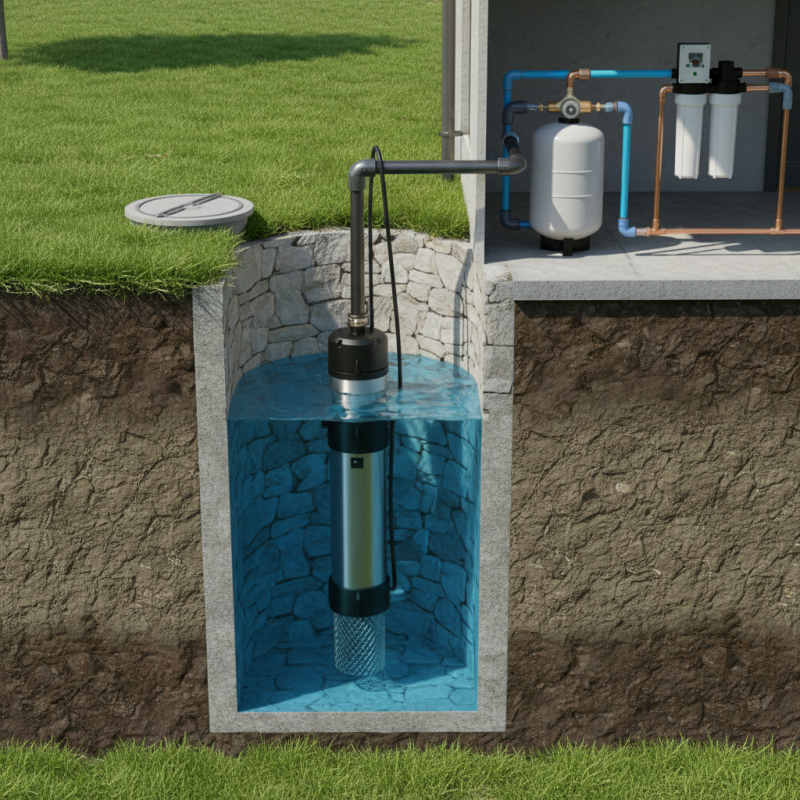
Understanding Submersible Well Pumps and Their Functionality
Submersible well pumps are essential devices designed to extract water from underground aquifers. These pumps operate by being submerged deep within the well, allowing them to push water to the surface through a piping system. Understanding their functionality is crucial for homeowners looking to select the appropriate pump for their specific needs. Typically, these pumps consist of a motor, a pump impeller, and a discharge head, all of which work together to create pressure and lift water efficiently.
One of the key advantages of submersible well pumps is their ability to function silently while submerged, making them a suitable choice for residential settings. They are highly efficient, capable of pumping large volumes of water over considerable distances. When choosing a submersible well pump, it’s important to consider factors such as the depth of the well, the diameter of the casing, and the desired flow rate. Properly assessing these parameters ensures that the selected pump will operate efficiently and meet the household's water supply needs without unnecessary energy consumption or mechanical strain.
Factors to Consider When Choosing a Submersible Well Pump
When selecting the right submersible well pump for your home, several key factors must be taken into account to ensure you choose a model that meets your specific needs. Firstly, understanding the well's depth and water capacity is crucial. The pump's size and power must align with the depth of the well and the amount of water required for daily household use. It’s essential to measure the static water level—the height of the water when the well is not being pumped—and the dynamic water level, which is the measurement when the pump is in operation. This will help in determining the required pump horsepower.
Another important consideration is the pump's material and construction. Submersible pumps are often made of stainless steel or thermoplastic. Depending on the water's pH and mineral content, one material may be more suitable than the other to prevent corrosion and ensure longevity. Additionally, the pump's flow rate and the total dynamic head (TDH) are vital in determining the pump's efficiency and performance. It is advisable to select a pump that can deliver enough flow to meet your household demand without excessive energy consumption. Finally, assessing installation requirements and maintenance needs can save you time and money in the long run, making sure that the chosen pump is not only effective but also easy to service when necessary.
How to Choose the Right Submersible Well Pump for Your Home Needs
| Factor |
Description |
Importance Level |
| Pump Type |
Determine the type (e.g., submersible, jet) based on water source. |
High |
| Depth of Well |
Measure how deep the pump needs to go to reach water. |
High |
| Flow Rate |
Calculate the gallons per minute (GPM) needed for your home. |
Medium |
| Pump Material |
Choose materials that resist corrosion based on water conditions. |
Medium |
| Power Source |
Consider electric vs. solar-powered to fit energy needs. |
Medium |
| Budget |
Determine your budget for initial purchase and maintenance. |
High |
Calculating Your Water Needs for Proper Pump Sizing
When selecting a submersible well pump, accurately calculating your water needs is essential for ensuring that you choose the right size and capacity. According to the Water Systems Council, an average household needs approximately 60 to 80 gallons of water per person per day for drinking, cooking, bathing, and other domestic uses. For a family of four, this equates to a daily water requirement of about 240 to 320 gallons. Understanding this baseline is crucial for determining the necessary flow rate and pump size to meet daily consumption efficiently.
To calculate the appropriate pump size, consider both the peak demand and the required flow rate. The flow rate is typically measured in gallons per minute (GPM). For instance, if your household's peak demand occurs during morning hours, which may require water for showering and other activities simultaneously, it's important to add up the flow rates of all fixtures in use. Industry standards suggest that you should aim for a pump that can deliver around 10 to 15 GPM for an average-sized home, ensuring that your water supply remains consistent and reliable. Additionally, factors such as the static water level and the depth of the well will also influence the choice of pump, as deeper wells may require more powerful pumps to draw water efficiently.
Assessing Quality and Durability in Well Pumps
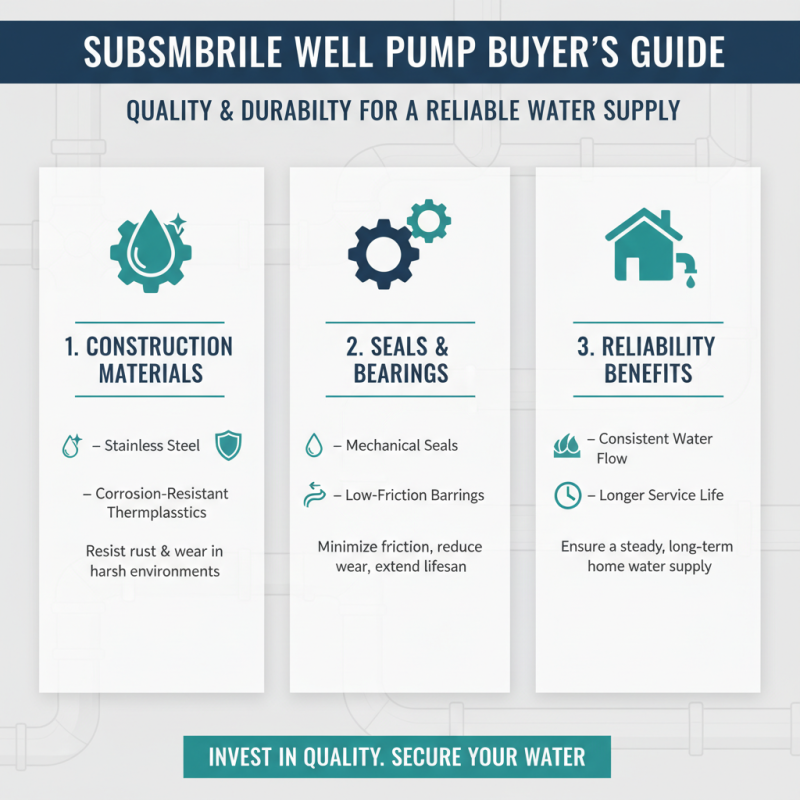
When choosing a submersible well pump, assessing its quality and durability is crucial for ensuring a reliable water supply for your home. The materials used in the pump's construction are primary indicators of its longevity. High-quality stainless steel or corrosion-resistant thermoplastics are often preferred, as they can withstand harsh environmental conditions and prevent rust and wear. Additionally, check for the presence of mechanical seals and bearings that are designed to minimize friction and reduce wear over time, contributing to the overall lifespan of the pump.
Another critical aspect to examine is the manufacturer’s reputation and warranty offerings. A robust warranty can reflect the confidence the manufacturer has in their product's durability. Look for pumps that have undergone rigorous testing and offer certifications for quality assurance. Customer reviews and feedback can also provide insight into the long-term performance of the well pump, highlighting common issues or praising exceptional durability. By focusing on these factors, homeowners can select a submersible well pump that meets their needs and ensures a reliable water supply for years to come.
Installation and Maintenance Tips for Submersible Well Pumps
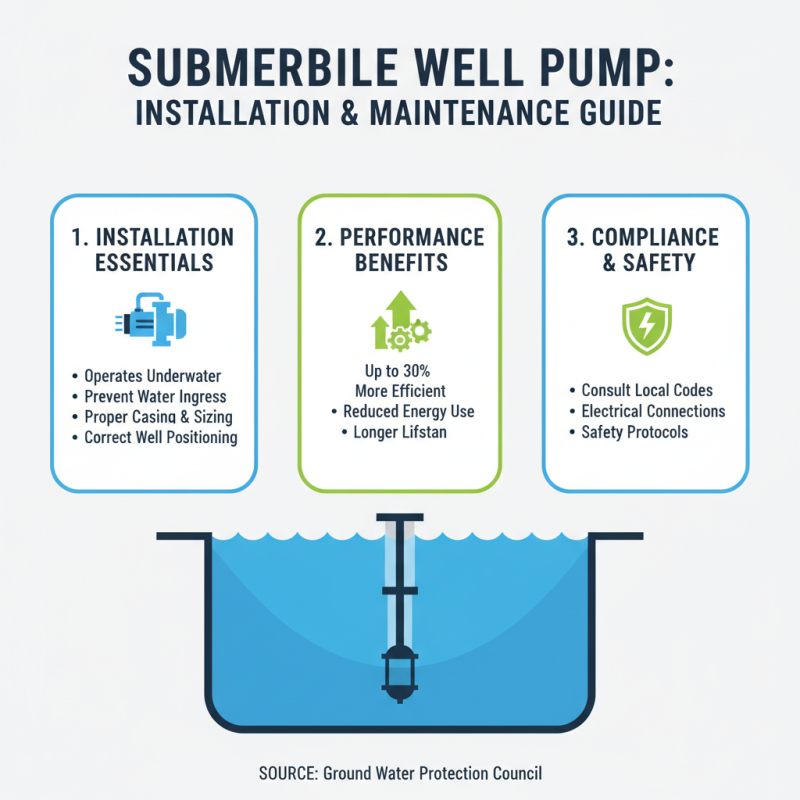
When selecting a submersible well pump, understanding the installation and maintenance requirements is crucial for optimal performance and longevity. A submersible pump typically operates underwater, requiring careful installation to prevent issues related to water ingress. According to the Ground Water Protection Council, proper installation can minimize energy consumption and enhance the pump's efficiency by up to 30%. Ensuring the casing is compatible with the pump size and that the pump is positioned correctly in the well is essential. Additionally, consulting local building codes can help ensure compliance, particularly regarding electrical connections and safety protocols.
For maintenance, regular checks on the pump's pressure and flow rate are vital. Experts suggest conducting these checks at least biannually. Keeping an eye on the electrical connections and the integrity of the float switch can prevent performance issues. A tip for homeowners is to consider an annual professional inspection if the pump operates continuously or under challenging conditions, such as varying water levels or high sediment content. Implementing these practices can extend the life of your submersible well pump and ensure a reliable water supply.