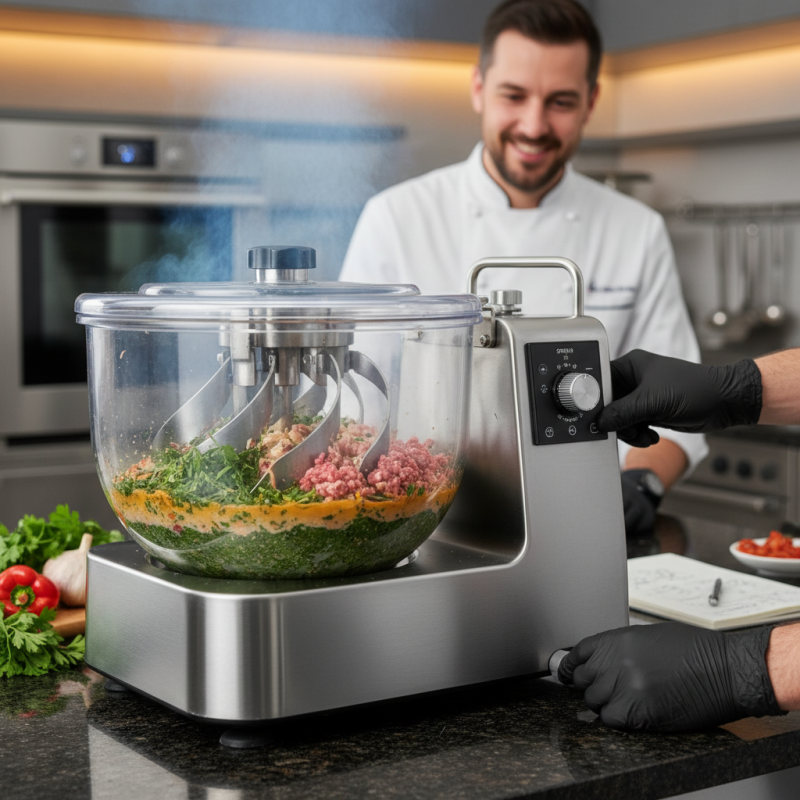
How to Choose the Best Vacuum Bowl Cutter for Your Needs?
When selecting a vacuum bowl cutter, understanding your specific needs is vital. Expert chef John Smith emphasizes, "Choosing the right vacuum bowl cutter can elevate your culinary skills." This shows the tool's significance in maximizing flavors and textures.
A vacuum bowl cutter is not just about mixing ingredients; it’s a blend of art and science. The design may vary, and picking the wrong one can lead to inconsistent results. Some cutters may lack proper sealing, causing air to mix with the food. This can spoil the freshness you’re aiming for.
Consider what you will prepare. Certain vacuum bowl cutters handle specific tasks better than others. Features like speed settings or bowl size can profoundly change your cooking experience. Making a well-informed choice can truly define how your dishes turn out. It's essential to reflect on what you need and not just follow trends.
Understanding Vacuum Bowl Cutters: Key Features to Consider
When selecting a vacuum bowl cutter, several key features can greatly influence your choice. Pay attention to the bowl size. A larger bowl accommodates more material. However, a smaller bowl ensures easier handling. Think about your production needs. If you work with a variety of ingredients, versatility is crucial. Some machines offer different blade options. This allows for various cutting styles, enhancing your culinary creativity.
Consider the power of the motor, too. A strong motor ensures efficient cutting, particularly for denser mixtures. But too much power can lead to over-processing. Striking the right balance is essential. Look into the speed settings as well; adjustable speeds can cater to different types of food. This is particularly important if you are dealing with delicate items that require gentle handling.
Don’t forget maintenance requirements. Some models are easier to clean than others, which affects long-term usability. While some users might prefer high-tech solutions, basic models often perform just as well. Reflect on how often you'll use the cutter. A complex machine might not be necessary for occasional tasks. Weigh the pros and cons to find a cutter that truly meets your needs.
Assessing Your Specific Needs for a Vacuum Bowl Cutter
Choosing the right vacuum bowl cutter involves understanding your specific needs. Not all cutters are designed alike, and each type offers unique benefits. According to industry reports, factors like capacity, cutting speed, and motor power matter significantly. Identifying the optimal model can greatly enhance your operation.
Assess your production volume. If you handle large batches, consider a high-capacity cutter. Models that process 300 kg per hour are popular, catering to high-demand businesses. For smaller operations, a compact model may suffice. Evaluate how often you switch between different products. Versatility can save time and reduce costs.
Tips: Look for a cutter with adjustable speed controls. This feature allows for precision cuts based on the material. It’s essential for diverse applications. Monitor your budget as well. Investing more initially can result in longer-lasting equipment. Researching user reviews can help, but remember, experiences can vary significantly. Always verify long-term performance.
How to Choose the Best Vacuum Bowl Cutter for Your Needs?
Comparing Different Brands and Models of Vacuum Bowl Cutters
When comparing different brands and models of vacuum bowl cutters, it's essential to consider key features. Look for the bowl's capacity. A larger bowl handles bulk ingredients better. Smaller bowls work for smaller batches. Think about the motor's power. A strong motor makes a noticeable difference in efficiency.
Pay attention to the material of the bowl. Stainless steel is durable and easy to clean. Some models have plastic bowls, which may not last as long. Also, review the controls. Digital interfaces are increasingly common. They allow for precise settings, which can enhance the mixing process.
User reviews provide valuable insights. Some users praise a certain model for its speed but criticize its weight. Others love the compact design but note it lacks power. Consider these perspectives carefully. Balancing features versus price can be tricky. You may need to compromise on some aspects to find what suits your needs best.
Budgeting Factors When Choosing a Vacuum Bowl Cutter
When selecting a vacuum bowl cutter, budgeting factors play a crucial role. Understand your financial limits before diving into features and specifications. A high price tag doesn’t always mean superior quality. Sometimes, affordability lacks essential functions. Analyze your actual needs. Are you processing large batches? Or just small ones? The size of the cutter can affect the overall cost.
Consider not only the purchase price but also long-term expenses. Maintenance costs can add up over time. Investing in durable materials can save money later. Often, cheaper machines need replacement sooner than expected. Researching customer feedback can shed light on hidden costs.
Also, think about extra features. Do you truly need advanced settings? Simpler models may suffice. They can be more budget-friendly and easier to operate. Reflect on whether these extras will benefit you in the long run. Balancing cost with value is vital. It’s easy to get distracted by flashy features. Focus on what aligns best with your requirements.
Maintenance and Support for Your Vacuum Bowl Cutter Selection
When choosing a vacuum bowl cutter, maintenance and support are crucial. Proper upkeep extends the machine's lifespan. A report from the Food Processing Industry indicates that neglecting maintenance can reduce equipment efficiency by up to 30%. Regular checks are essential for optimal performance. Look for models with easy access points for cleaning. Maintain the blades to avoid dullness, which impacts food quality.
Support is another key factor. Manufacturers that offer reliable customer service enhance your experience. According to research by the Machinery Reliability Institute, 40% of users reported that weak support affected their operational flow. Ensure that the cutter comes with a detailed manual. Access to technical support can save valuable time during urgent repairs. Furthermore, consider training programs to ensure your staff can handle basic maintenance and troubleshoot problems effectively.
Tools can fail unexpectedly. A vacuum bowl cutter's performance can decline if not looked after properly. Users often forget routine checks, leading to costly downtime. Investing in excellent support is wise. It safeguards against disruptions and fosters a proactive approach to equipment management.