How to Choose the Right Dirty Water Pump for Your Needs: A Complete Guide
When it comes to managing challenging water removal tasks, selecting the right dirty water pump can make all the difference. These pumps are specifically designed to handle water that contains debris, mud, and other solids, providing an efficient solution for various applications such as construction sites, flooded basements, or agricultural use. However, with a wide range of dirty water pumps available on the market, it can be overwhelming to determine which one best meets your needs.
In this complete guide, we will break down the essential factors to consider when choosing a dirty water pump. From understanding the pump’s flow rate and head height to evaluating the materials and features that contribute to its durability, we will provide you with the knowledge necessary to make an informed decision. Whether you are a homeowner dealing with occasional flooding or a contractor facing frequent dewatering tasks, selecting the right dirty water pump is crucial for ensuring efficiency and effectiveness in managing water-related challenges.
Understanding the Different Types of Dirty Water Pumps Available
When selecting a dirty water pump, it's essential to understand the various types available to ensure you choose the one that effectively meets your needs. Generally, dirty water pumps fall into two main categories:
submersible pumps and surface pumps.
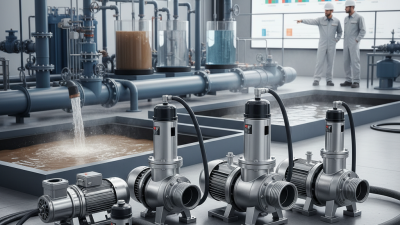
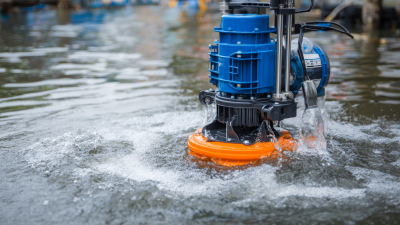
Submersible pumps are designed to operate underwater, making them ideal for draining flooded areas or removing water from deep pits, ponds, or even basements. Their sealed motor prevents water from entering and causing damage, allowing them to handle solids and debris with ease.
On the other hand,
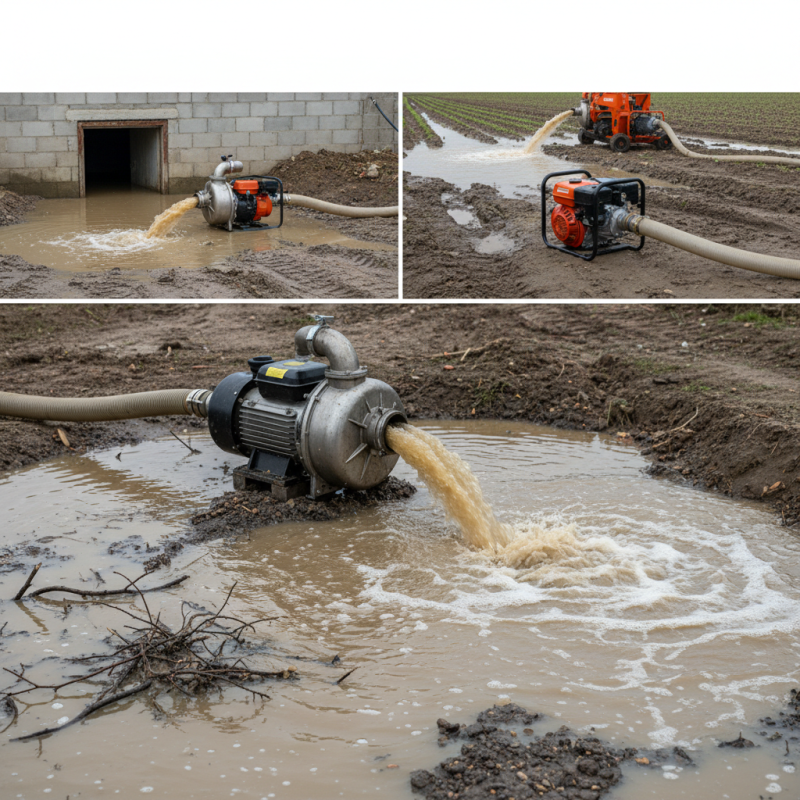
surface pumps are typically used to transfer water from one location to another without being submerged. They are more suitable for applications where the water level is not too deep, such as emptying a pool or moving water from a tank. Surface pumps can work effectively with clean and slightly dirty water, but their design often limits their ability to handle larger particles compared to submersible models.
Understanding these distinctions and evaluating the conditions of your specific project will help you select the most suitable dirty water pump.
Key Factors to Consider When Choosing a Dirty Water Pump
When selecting a dirty water pump, several key factors should be at the forefront of your decision-making process. First, consider the pump's capacity – the volume of water it can handle per minute is crucial. Depending on your needs, a higher capacity pump is necessary for larger tasks, such as draining flooded areas or managing water from construction sites.
Additionally, assess the maximum head height the pump can achieve. This measurement indicates how high the pump can lift the water, which plays a significant role in its effectiveness for your specific application.
Another essential aspect is the pump's material and design. Dirty water pumps are often exposed to abrasive contaminants; therefore, choosing a model made from durable materials is vital for longevity. Stainless steel or thermoplastic materials are ideal choices because they resist corrosion and damage.
Furthermore, it's important to evaluate the pump's inlet size and clog resistance features. A larger inlet can handle solids more effectively, preventing frequent blockages and ensuring smooth operation.
Tip: Always check your power source options – whether you need a submersible pump for deep water or a surface model for easier access. Ensure that the pump suits the environment in which it will operate, especially if you anticipate significant debris or sludge. Regular maintenance checks can also prolong the life of your pump and enhance efficiency, saving you time and potential costs down the line.
Assessing Your Specific Pumping Needs and Requirements
When selecting the right dirty water pump, it's critical to start with an assessment of your specific pumping needs and requirements. Factors such as the type of dirty water being handled, the volume of water to be pumped, and the particular environment of use play significant roles in this decision. For instance, according to industry reports, the construction sector alone accounts for approximately 30% of all dirty water pump sales due to the high demand for managing site runoff and wastewater. Understanding the specific characteristics of the fluids involved—such as solids content, pH levels, and temperature variations—is essential, as these can greatly impact pump performance and longevity.
Moreover, it’s important to consider the operational features you require, which may include automatic controls, variable speed options, and portability. Data from the Water & Wastewater Equipment Manufacturers Association indicates that around 40% of users prioritize energy efficiency in their pump selection, as this can lead to significant cost savings over time. Evaluating your specific requirements against such parameters will enable you to narrow down options effectively, ensuring that the pump you choose not only meets your immediate needs but also aligns with long-term operational goals. Understanding these aspects will pave the way for making an informed and strategic investment in a dirty water pump.
How to Choose the Right Dirty Water Pump for Your Needs: A Complete Guide
| Feature |
Importance |
Considerations |
| Flow Rate |
High |
Needs to match the volume of water to be pumped |
| Lift Height |
High |
The height from which the pump must lift the water |
| Power Source |
Medium |
Electric vs. gasoline-powered options |
| Pump Material |
Medium |
Durability against corrosive and abrasive materials |
| Portability |
Low |
Weight and design for easy transport |
| Maintenance |
High |
Ease of access for repairs and upkeep |
Evaluating Pump Performance Specifications and Features
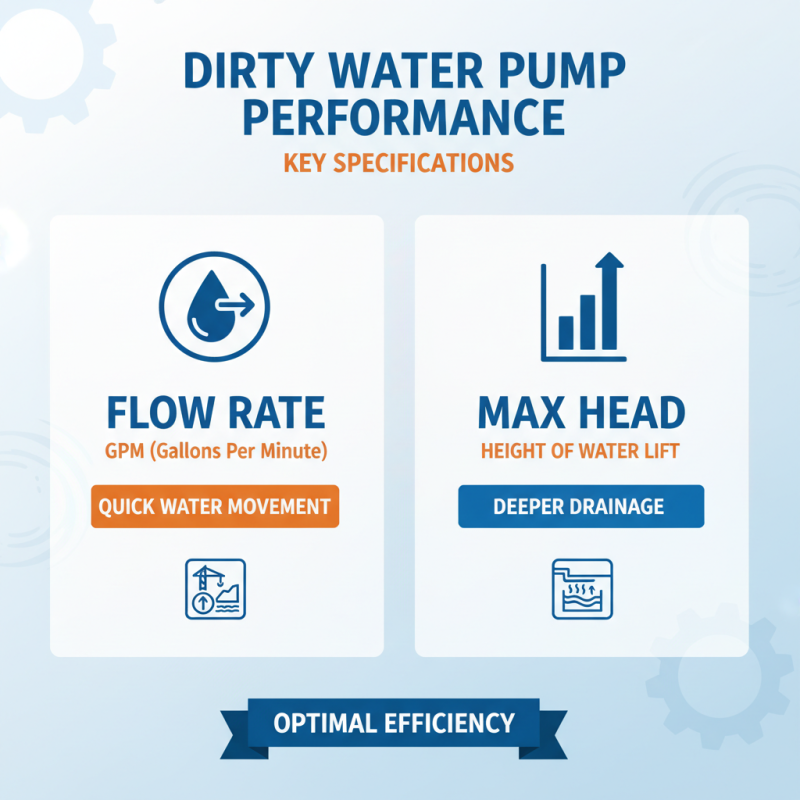
When selecting the right dirty water pump, understanding and evaluating pump performance specifications is crucial. A pump’s flow rate, measured in gallons per minute (GPM), determines how quickly it can move water. According to a report by the Hydraulic Institute, an optimal flow rate can enhance efficiency, particularly in demanding applications such as construction sites or flooded basements. Additionally, the pump’s maximum head, or the height it can lift water, should be considered to ensure it meets the needs of your specific setting. Generally, pumps with a higher head capacity are suitable for deeper drainage tasks.
Another essential feature to evaluate is the pump's power source; electric, gas, or solar-powered options each have their pros and cons. Electric pumps are typically quieter and more efficient, while gas-powered pumps can deliver more raw power for heavy-duty tasks. Furthermore, consider the material construction of the pump. Pumps made from corrosion-resistant materials can significantly prolong a pump's life, particularly in environments with abrasive debris, as highlighted in maintenance reports from the American Society of Mechanical Engineers.
Tips: To avoid performance issues, ensure that the pump you select has a float switch—this feature helps automate the pumping process and prevents overflow. Additionally, always check the pump’s suction strainer; a well-designed strainer prevents debris from entering the pump and damaging internal components, ultimately saving on costly repairs. Regular maintenance, including clearing any clogs and checking hose connections, will further enhance the pump's longevity and reliability in tough conditions.
Maintenance Tips for Ensuring Longevity of Dirty Water Pumps
To ensure the longevity of your dirty water pump, regular maintenance is essential. Start by routinely checking the pump for any signs of wear or damage. Inspect the impeller and other internal components, as debris can easily accumulate and cause blockages. Cleaning the pump after each use can prevent buildup and maximize its efficiency. It's also important to monitor the power supply and connections to avoid electrical issues.
Another crucial aspect of maintenance is the lubrication of moving parts. Regularly apply the appropriate lubricant to bearings and other friction points to minimize wear and tear. Additionally, ensure that seals and gaskets remain intact, as leaks can lead to operational failures. Lastly, storing the pump in a dry and protected environment during the off-season can significantly extend its lifespan, preventing rust and other environmental damage. By adhering to these maintenance tips, you can keep your dirty water pump in optimal condition for years to come.