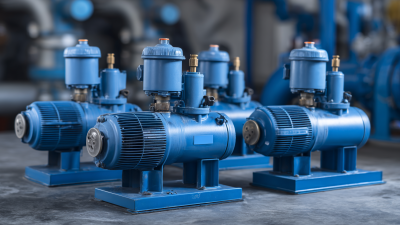
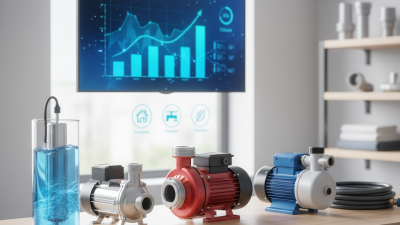
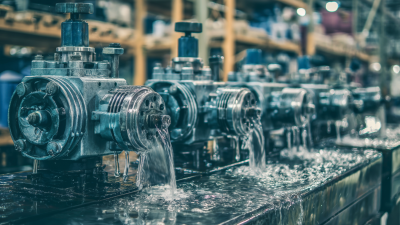
How to Choose the Right Flood Pump for Your Home Emergency Preparedness
When it comes to home emergency preparedness, selecting the right flood pump is crucial. Flooding can happen unexpectedly, causing major damage to your property. A reliable flood pump can mitigate these risks, helping homeowners protect their investments and loved ones during a crisis.
Understanding your specific needs is vital. Not all flood pumps are created equal. What may work for one household could prove inadequate for another. Factors such as the size of your home, the average rainfall in your area, and your budget come into play. You must assess the potential flooding risks you face.
In making your choice, consider specific features that enhance performance, such as pump capacity and electrical requirements. An effective flood pump should remove large volumes of water quickly to prevent further damage. Investing in a quality pump means you can react faster when emergencies arise. However, it’s essential to reflect on your selection process. Are you choosing a pump that meets your unique situation? Take the time to research and understand your options. Your decision could significantly impact your home’s safety during a flood.
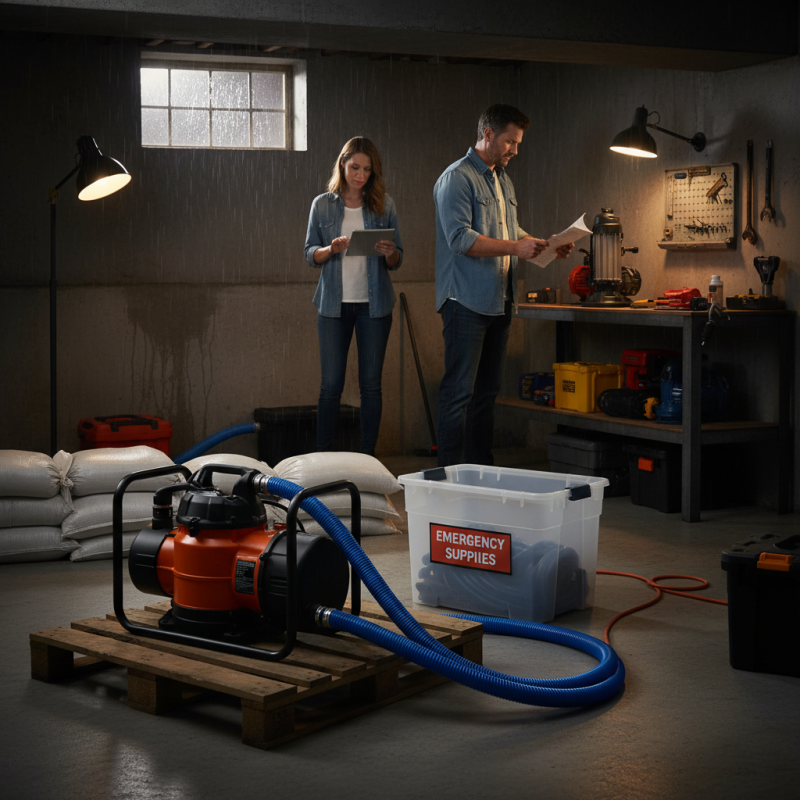
Factors to Consider When Selecting a Flood Pump for Home Use
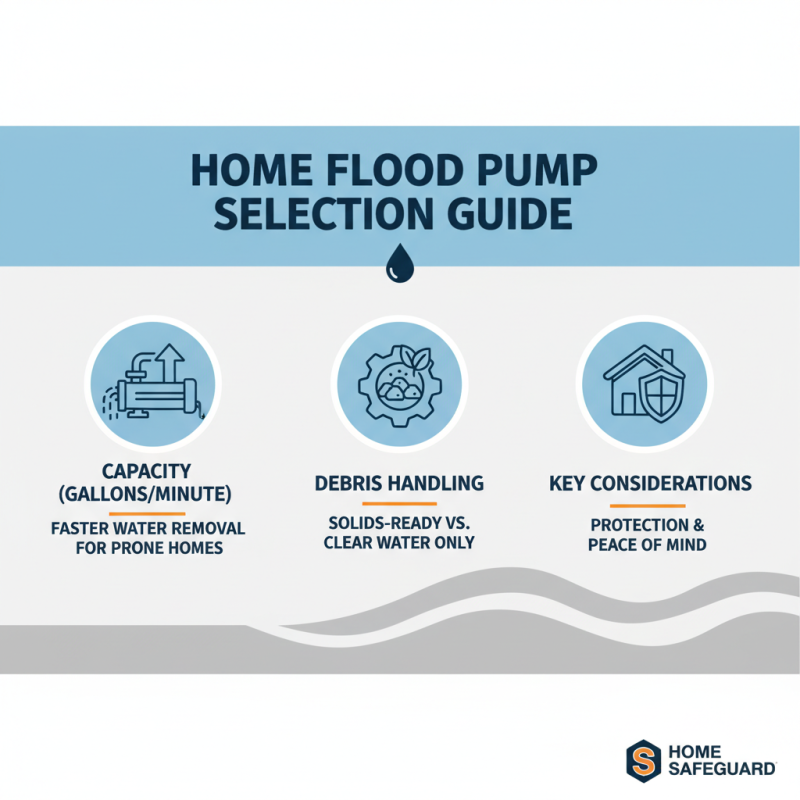
When selecting a flood pump for home use, consider the pump's capacity. Pumps are rated by how many gallons they can move per minute. A higher capacity means faster water removal. If your home is prone to flooding, a pump with a greater flow rate can be crucial. Look for pumps that handle debris as well. Some are designed to manage solids, while others can only handle clear water.
Another key factor is the type of pump. Submersible pumps work best for constant flooding situations, as they can be placed underwater. However, they can be more vulnerable to damage. In contrast, pedestal pumps are easier to maintain but may not be as effective in deeper water. Make sure to weigh the pros and cons carefully.
Pay attention to the power source, too. Battery-operated models can function during power outages. However, they may have limitations in terms of run time. It's important to check how long the battery lasts. Reflect on your specific needs. What works for one home may not suffice for another. Understanding these factors can make a significant difference in your emergency preparations.
Types of Flood Pumps: Pros and Cons for Homeowners
When preparing for potential flooding, understanding the types of flood pumps is crucial.
Sump pumps are popular for their ease of installation and efficiency.
They can be placed in a basin, automatically activating when water levels rise.
However, they may struggle with heavy storms.
Submersible pumps are another viable option. These powerful devices work while submerged, moving large volumes quickly.
They’re ideal for severe situations. Yet, they are often more expensive and may require professional installation. Consider your home’s needs carefully;
the higher cost might not suit everyone’s budget.
Basin pumps are less common but can be effective. They require a larger investment.
Some homeowners find maintenance challenging. Each option has drawbacks and advantages.
Understanding these details can help ensure you're prepared for flooding situations.
Testing the options before an emergency arises is wise.
Assessing Pump Capacity and Power Requirements for Flood Situations
Selecting the right flood pump involves understanding pump capacity and power requirements. It is crucial to choose a pump that fits your specific needs. For example, a typical submersible pump can handle around 1,500 to 4,000 gallons per hour, depending on its horsepower. A higher flow rate can be beneficial during severe flooding.
Power consumption is another important factor. Most residential pumps run on 120V or 240V electricity. The energy output affects both efficiency and cost. A pump that uses 1,000 watts can remove more water in less time. However, in heavy storms, power outages are common. Battery-operated options or those with backup power capabilities are worth considering.
Evaluating your home’s flood risk is essential. Homes in flood-prone areas face greater challenges. According to the National Flood Insurance Program, about 20% of flood claims come from low-risk communities. This data highlights the importance of preparedness. A high-capacity pump combined with a reliable power source could be a lifesaver. Always reassess your pump needs after severe weather events.
Key Features to Look for in a Reliable Flood Pump
When selecting a flood pump for your home, consider its power source. Options include submersible and pedestal pumps. Submersible pumps work underwater. They can handle large volumes of water quickly. Pedestal pumps, on the other hand, sit above ground. They are easier to maintain but may not be as efficient in severe flooding.
Look for a pump with a robust motor. It should have at least one-third horsepower. A stronger motor can pump more water in less time. Check the discharge rate as well. It determines how quickly water is expelled. Some models might sound great, yet they lack adequate flow rates.
Evaluate the construction materials. Durable, corrosion-resistant materials can extend the pump's life. Pumps made with cheap plastics often fail when most needed. Many avoid checking warranties, but they reveal quality insights. Don't overlook ease of use. A complicated setup could waste precious time during an emergency. Reflect on past experiences, as they can guide better decisions for future flooding crises.
How to Choose the Right Flood Pump for Your Home Emergency Preparedness - Key Features to Look for in a Reliable Flood Pump
| Feature |
Description |
Importance |
| Pump Type |
Submersible or pedestal. |
Submersible pumps are better for flooded environments. |
| Horsepower |
Power of the motor, typically ranges from 0.5 to 2 HP. |
Higher horsepower pumps can move more water quickly. |
| Flow Rate |
Measured in gallons per minute (GPM). |
Indicates how fast water can be pumped out. |
| Lift Height |
Maximum vertical height the pump can move water. |
Essential for determining effectiveness in basements. |
| Durability |
Material and build quality of the pump. |
Affects longevity and reliability during emergencies. |
| Automatic Operation |
Ability to turn on/off based on water levels. |
Convenience during a flood scenario. |
| Portability |
Weight and ease of movement. |
Important for quick response in emergencies. |
| Warranty |
Length of coverage for repairs or replacements. |
Indicates manufacturer's confidence in product quality. |