How to Choose the Right PTO Water Pump for Your Needs?
When selecting a PTO water pump, understanding your specific needs is crucial. PTO water pumps are often used in agriculture, construction, and firefighting. According to industry reports, the global market for water pumps is expected to reach $20 billion by 2025. This growth highlights the increasing demand for efficient water management solutions, including PTO-powered models.
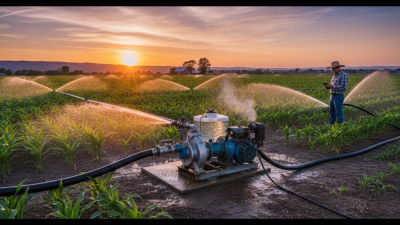
Different models cater to various applications. For instance, agricultural PTO water pumps typically provide higher flow rates for irrigation. In contrast, construction sites may require pumps with more rugged features. Yet, not all users adequately assess their needs. A common misstep is underestimating the pump's power requirements or overestimating its capabilities.
Understanding these details can enhance your operational efficiency. Selecting the wrong PTO water pump can lead to increased costs and frustration. It's essential to reflect on your specific requirements and consult with experts when necessary. Ultimately, knowing the right pump for your needs can make a significant difference in your project's success.

Identify Your Specific Water Pump Requirements for Applications
Choosing the right PTO water pump begins with understanding your specific needs. Think about the tasks you will perform. Are you moving water from one location to another? Are you using it for irrigation or draining? Each application requires different specifications.
Pay attention to the flow rate you need. This is crucial for efficient operations. Also, consider the pressure requirements. If the pressure is too low, the pump will not function effectively. A pump that is too powerful can also be an issue. It may lead to unnecessary energy consumption.
Materials make a difference too. Pumps are often made of aluminum or cast iron. Aluminum is lightweight and corrosion-resistant. Cast iron is durable but heavier. You'll need to weigh these factors against your specific applications. Take time to reflect on your options. It’s not always easy to choose the right equipment.
Testing a few models before committing can save you from future complications.
Understand PTO Water Pump Types and Their Specific Uses
PTO water pumps are essential tools in various industries. They depend on a Power Take-Off (PTO) system to operate, making them efficient. According to recent industry reports, the market for PTO water pumps is expected to grow by 4% annually. This increase is driven by agricultural needs, especially irrigation.
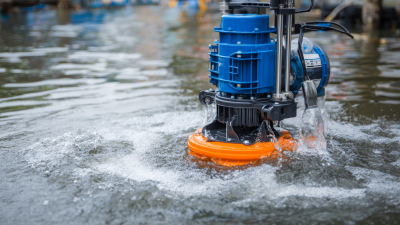
Different types of PTO water pumps serve specific purposes. Centrifugal pumps are popular for large water volumes. They handle tasks, such as draining fields or supplying irrigation. On the other hand, diaphragm pumps excel in transferring liquids with solids. They are often used in wastewater applications. Many users overlook the unique benefits of each type, which can lead to inefficiencies.
It’s vital to evaluate your needs before selecting a pump. Size, flow rate, and material compatibility matter greatly. The specific demands of your job will dictate the right choice. For instance, using the wrong type can result in decreased performance. Data shows that nearly 30% of users choose a pump without fully assessing their needs. This can lead to costly mistakes and failures in efficiency.
Evaluate Key Specifications: Flow Rate, Pressure, and Power Needs
When selecting a PTO water pump, understanding the essential specifications is crucial. Flow rate is a primary factor. It measures how much water the pump can move in a given time. Make sure to match it to your project's needs. For instance, if you're irrigating a large field, you'll need a pump that delivers a higher flow rate. Sometimes, people underestimate how much water they actually require.
Next is pressure. This is about how strong the water comes out. It’s often measured in PSI. A pump with high pressure may not always be the best for every task. For example, if you need to spray crops, moderate pressure is often sufficient. This oversight can lead to unintentional damage to delicate plants.
Lastly, consider the power needs. Look closely at the horsepower required for your application. An overly powerful pump may consume unnecessary fuel. This could lead to wasted resources and increased costs. Finding the right balance is often a challenge. Reflect on your specific requirements and adjust your choice accordingly. Each specification plays a role in achieving efficiency.
Consider Compatibility with Your Equipment: Tractor and PTO Specs
Choosing the right PTO water pump often begins with understanding your tractor's specs. Compatibility with your tractor is crucial. You need to know the horsepower and the PTO shaft size. If they don’t match, the pump won't function effectively. This can lead to disappointing performance.
Consider the pump's flow rate, too. Does it meet your needs? A pump that doesn’t deliver enough flow can lead to delays and inefficiencies. Check the pump's maximum pressure. It must match or exceed your requirements. A mismatch here can cause issues like overheating and wear.
Also, reflect on your working conditions. Are you using the pump in rough terrain? Look for models designed for durability. Think about the frequency of use as well. A heavier-duty pump may be necessary for frequent tasks. Yet, it can be an overkill for occasional tasks. Balancing these factors is vital in making the right choice.
How to Choose the Right PTO Water Pump for Your Needs?
| Pump Model |
Flow Rate (GPM) |
Pressure (PSI) |
PTO Power Required (HP) |
Weight (lbs) |
Compatible Tractor HP |
| Model A |
300 |
50 |
30 |
200 |
25-50 |
| Model B |
450 |
60 |
40 |
250 |
45-75 |
| Model C |
600 |
70 |
50 |
300 |
60-90 |
| Model D |
750 |
80 |
60 |
350 |
75-100 |
Review Industry Standards and Certifications for Quality Assurance
When choosing a PTO water pump, safety and quality are key. Industry standards play an essential role in evaluating pumps. Look for certifications from reputable organizations. These certifications indicate that a product meets specific safety and performance criteria. Understanding these standards can guide your selection process effectively.
One crucial certification to consider is the ISO certification. This ensures the manufacturer follows high-quality management practices. Another important standard is the CE mark, which signifies compliance with European safety requirements. Not all pumps carry these marks, so be vigilant. It’s important to check documentation to confirm compliance.
Remember, not all certified pumps are the same. Some may perform better in different conditions. It’s vital to reflect on your needs. Will you use the pump for heavy-duty tasks or occasional watering? Take time to research and compare. Gathering information helps to avoid costly mistakes. Investigate user reviews and industry reports for insights before making a final choice.