How to Choose the Right Waste Water Pump for Your Home or Business
When it comes to managing wastewater, selecting the right waste water pump is crucial for both residential and commercial settings. Johnathan Smith, a renowned expert in the wastewater management industry, emphasizes, “The key to effective wastewater management lies in choosing a pump that meets the unique demands of your property.” This highlights the importance of understanding various factors such as flow rate, head height, and the specific contaminants present in the wastewater.
In an age where environmental consciousness and efficiency are paramount, the selection process should not be taken lightly. Homeowners and business operators alike must assess not only their immediate needs but also consider long-term sustainability and maintenance. Understanding the role of a waste water pump in ensuring proper drainage and preventing costly overflows can make all the difference. By focusing on the right specifications and features, one can achieve a seamlessly functioning system that safeguards both property and the environment.
Understanding the Types of Waste Water Pumps Available in the Market
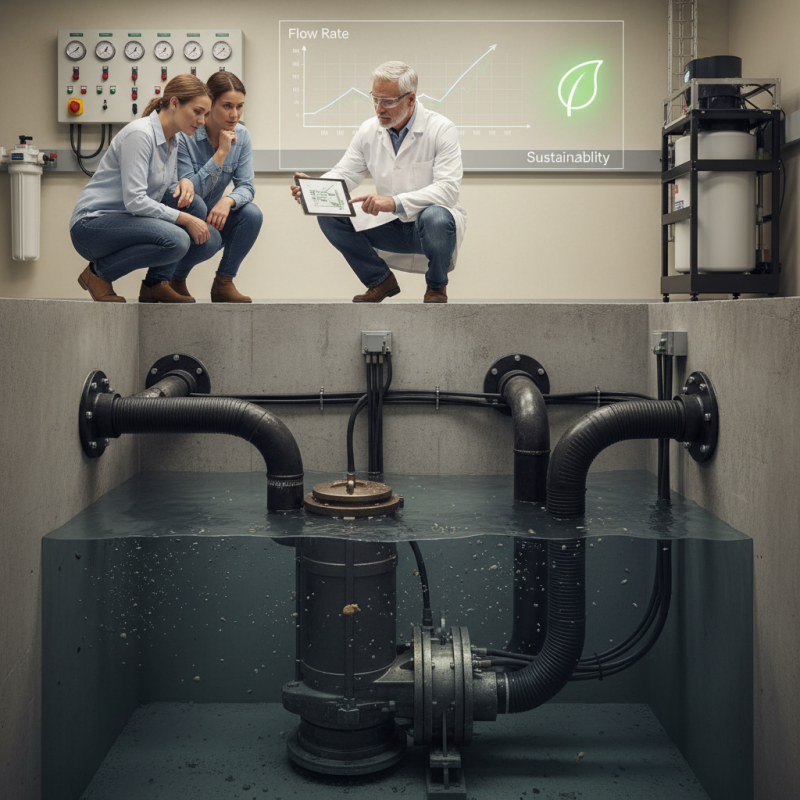
When selecting a waste water pump, it's essential to understand the various types available in the market, as each is designed to meet different needs. Submersible pumps are one of the most common types, built to be submerged directly in the wastewater. Ideal for areas with high moisture or flooding issues, these pumps effectively handle both liquid and solid waste. Their compact design allows for easy installation in tight spaces, making them a popular choice for both residential and commercial applications.
Another prevalent type is the centrifugal pump, which operates by converting rotational kinetic energy into hydrodynamic energy. These pumps are typically utilized in larger systems where consistent and high flow rates are required. They excel in moving liquid waste through long piping systems and are widely used in industrial settings. Understanding the differences between these types helps in choosing the right pump for specific applications, ensuring efficient and effective waste management for homes or businesses.
Evaluating the Specific Needs of Your Home or Business Waste Water System
When evaluating the specific needs of your home or business waste water system, it is essential to consider several critical factors. Begin by assessing the volume of waste water generated daily. Homes may have a different requirement compared to commercial establishments, where higher capacity pumps may be necessary to handle larger quantities of waste. Additionally, consider the characteristics of the waste water itself. For example, if the waste water contains solids, a pump designed to manage solid waste will be crucial to ensure efficient operation and prevent clogs.
Another key aspect is the installation site and environmental conditions. The distance that waste water needs to be pumped can significantly influence your choice, as longer distances may require more powerful pumps. Additionally, factors like elevation changes in the plumbing system, space constraints, and accessibility for maintenance also play a role. By thoroughly analyzing these elements, you can make an informed decision, ensuring that the selected pump will efficiently accommodate the unique demands of your waste water system while also providing reliability in its performance.
How to Choose the Right Waste Water Pump for Your Home or Business - Evaluating the Specific Needs of Your Home or Business Waste Water System
| Parameter |
Residential Needs |
Commercial Needs |
Industrial Needs |
| Flow Rate (GPM) |
10-30 |
30-150 |
150-500+ |
| Max Head (feet) |
10-20 |
20-50 |
50-100+ |
| Pump Type |
Submersible |
Centrifugal |
Positive Displacement |
| Power Source |
Electric |
Electric / Diesel |
Electric / Diesel |
| Common Applications |
Sump Pumps |
Septic Systems |
Waste Water Treatment |
| Maintenance Frequency |
Annual |
Bi-Annual |
Quarterly |
Key Specifications to Consider When Choosing a Waste Water Pump
When selecting the right wastewater pump for your home or business, several key specifications should be carefully considered to ensure optimal performance and reliability. First, evaluate the pump's capacity, typically measured in gallons per minute (GPM). This figure indicates how much wastewater the pump can handle efficiently. It is essential to match the pump's capacity to the volume of wastewater generated by your facility to prevent overflow or inadequate drainage.
Another critical specification is the pump's head height, which refers to the vertical distance the pump can lift wastewater. Depending on your setup, a higher head may be necessary for multi-story applications or when pumping over long distances. Additionally, consider the type of wastewater being pumped, as some environments may contain solids or abrasive materials that require specific pump designs.
Tips: Always consult with a professional to assess your waste management needs accurately. Additionally, look for a pump with a robust warranty and reliable customer service, as this can provide peace of mind and support in face of unexpected issues. Regular maintenance of your pump is also vital; setting a routine check can help avoid costly repairs down the line and extend the life of your equipment.
Comparing Features and Brands to Find the Best Waste Water Pump
When selecting a waste water pump, comparing the features and specifications of various models is crucial to find the best fit for your needs. Start by considering the pump's flow rate and head height, as these specifications dictate how much waste water the pump can handle and how high it can pump waste. Some pumps are designed for residential use, focusing on less demanding applications, while others cater to commercial settings requiring higher performance. Look for pumps that offer durable materials and construction, as these can greatly influence longevity and reliability.
Furthermore, energy efficiency should be a key factor in your comparison. Pumps with energy-efficient motors may have a higher upfront cost, but they typically lead to significant savings on utility bills over time. Noise levels are also an important consideration for residential settings, where quieter models may be preferred. Additionally, examine the pump's maintenance requirements; some designs offer tool-free access which simplifies upkeep and can save both time and effort. By carefully evaluating these features across various options, you can confidently select the waste water pump that best meets your operational requirements without compromising on efficiency or performance.
Installation and Maintenance Tips for Optimal Waste Water Pump Performance
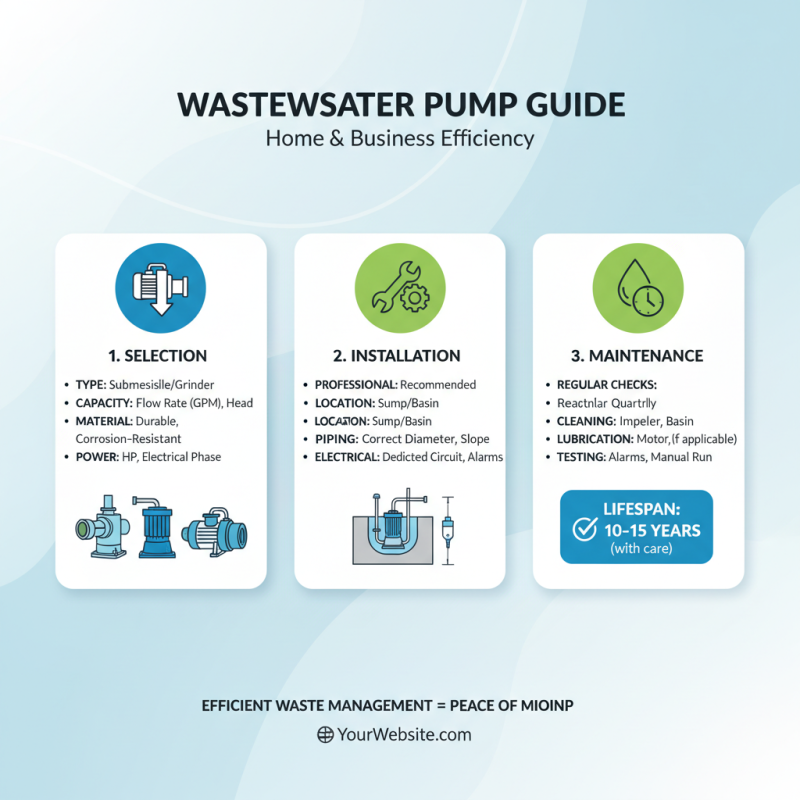
Choosing the right wastewater pump for your home or business is crucial for ensuring efficient waste management. Proper installation and regular maintenance are essential to optimize the performance and longevity of these pumps. According to industry reports, a well-maintained wastewater pump can operate effectively for up to 10-15 years, reducing the risk of failures that can result in costly repairs and unpleasant emergencies.
When installing a wastewater pump, it's important to ensure that the pump is correctly sized for your specific need. Oversized pumps can lead to inefficient operation and increased energy costs, while undersized pumps may struggle to manage waste effectively. Always consult professional guidelines to determine the appropriate pump capacity based on your wastewater volume and system requirements.
**Tips for Maintenance:** Regular inspections and routine maintenance can extend your pump's lifespan. Check for signs of wear or damage in the impeller and motor regularly. Additionally, ensure that the pump’s surroundings are free from debris and that the electrical connections are secure and waterproof. Scheduling annual maintenance checks can help identify potential issues before they escalate, ensuring that your wastewater pump continues to operate smoothly.