10 Essential Tips for Choosing the Best Water Pump for Home Use
When it comes to ensuring a steady supply of water in residential settings, selecting the right water pump for home use is crucial. The global water pump market is projected to reach USD 70.78 billion by 2025, according to a report by Fortune Business Insights. This increase is primarily driven by rising urbanization, the need for efficient water management in households, and growing awareness about the importance of sustainable water practices. In this context, choosing an appropriate water pump is not just a matter of convenience but a necessary investment for homeowners aiming to optimize their water consumption and enhance overall efficiency.
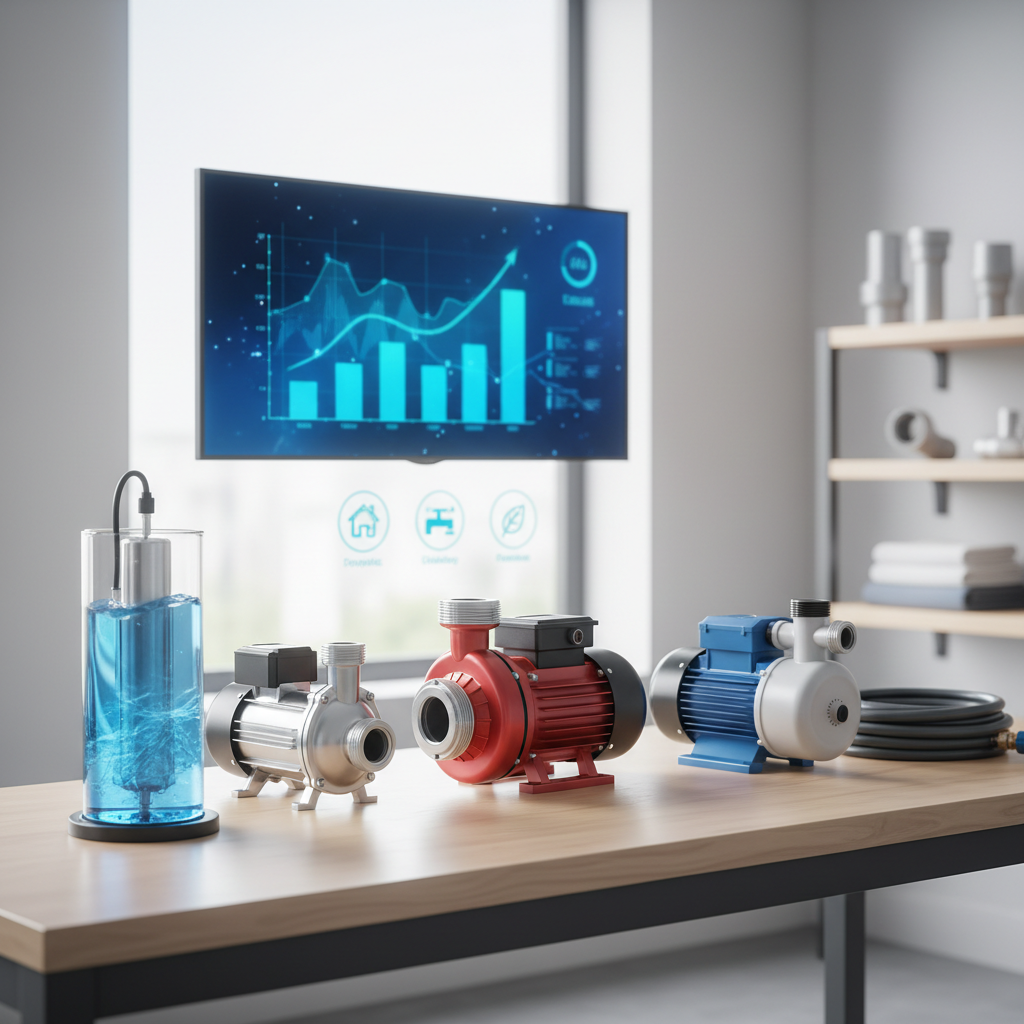
Understanding the various types of water pumps available, along with their specific applications, can significantly impact your decision-making process. For instance, submersible pumps, jet pumps, and centrifugal pumps each serve different needs and offer unique advantages. Furthermore, industry reports indicate that approximately 30% of energy consumption in residential applications is attributed to water movement, emphasizing the importance of selecting an energy-efficient model. As we delve into the top five options for water pumps for home use, this guide aims to equip homeowners with essential insights and practical tips to make informed choices that not only meet their immediate needs but also contribute to long-term sustainability.
Understanding Your Water Needs: Assessing Flow Rate and Pressure Requirements
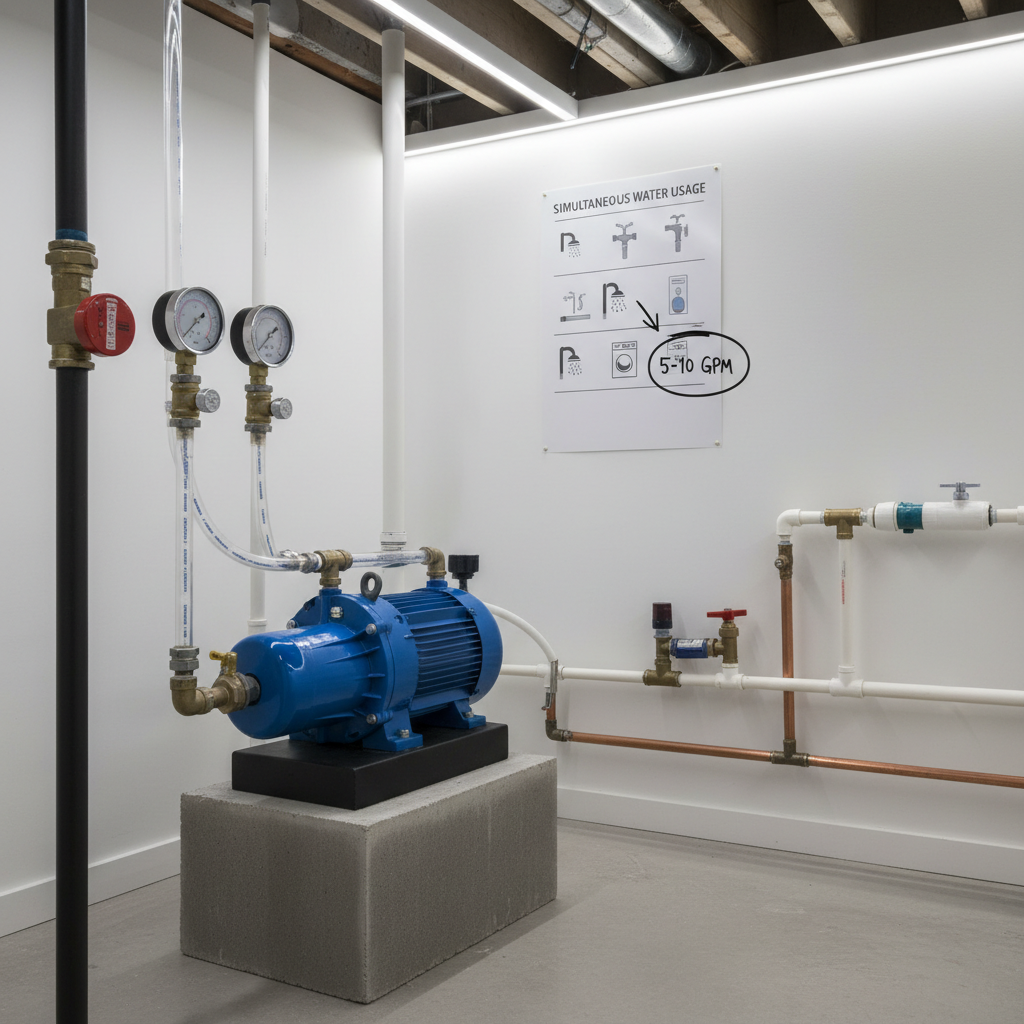
When choosing the best water pump for home use, understanding your water needs, particularly
flow rate and pressure requirements,
is crucial. The flow rate, measured in gallons per minute (GPM), determines how much water the pump can deliver at any given moment.
According to the American Society of Plumbing Engineers (ASPE), a typical household in the U.S. requires a minimum flow rate of
5 to 10 GPM for standard household tasks such as bathing, cooking, and laundry.
Assessing the simultaneous water usage in your home can help you determine the necessary flow rate for your specific needs.
Pressure requirements must also be evaluated, as they dictate how effectively
water can be delivered to different fixtures and appliances. A well-designed water system should maintain a pressure of
40 to 60 psi (pounds per square inch) for optimal performance. The Plumbing and Drainage Institute
suggests that when installing a new pump, one must account for the vertical distance the water needs to travel and any potential
friction losses in the piping. This ensures that the pump can maintain adequate pressure throughout your home, preventing issues such as
low water flow or inconsistent pressure, especially during peak usage times.
Types of Water Pumps: Exploring Options for Residential Use
When considering the types of water pumps suitable for residential use, homeowners have several options to choose from, each designed for specific applications. Submersible pumps, for instance, are ideal for draining water from basements and flooded areas as they operate when submerged. They are effective in situations where water needs to be removed quickly and efficiently, making them a popular choice for emergency scenarios or regular maintenance in lower-level living spaces.
Another common type is the centrifugal pump, which is best for supplying water to household fixtures, irrigation systems, or for general water transfer tasks. These pumps work by converting rotational energy into hydrodynamic energy, allowing them to move large volumes of water with relative ease. For those looking to invest in a pump for gardening or outdoor spaces, these centrifugal models are often equipped with features that enhance durability and efficiency, adapting to the varied demands of residential landscaping. Understanding these options can help homeowners choose the most suitable water pump for their needs.
10 Essential Tips for Choosing the Best Water Pump for Home Use
| Tip |
Description |
Type of Pump |
Best For |
| 1. Assess Your Needs |
Determine the purpose of the pump, such as irrigation, drainage, or household water supply. |
Submersible Pump |
Irrigation systems |
| 2. Check Flow Rate |
Measure the gallons per minute (GPM) to ensure the pump meets your requirements. |
Centrifugal Pump |
Household use |
| 3. Consider Head Height |
Calculate the vertical distance the water needs to be pumped. |
Jet Pump |
Deep well applications |
| 4. Evaluate Power Source |
Decide whether you want an electric, solar, or gas-powered pump. |
Solar Pump |
Remote locations |
| 5. Research Durability |
Look for pumps made from high-quality, corrosion-resistant materials. |
Submersible Pump |
Long-term outdoor use |
| 6. Look for Efficiency |
Choose a pump that has energy-efficient operation to save on electricity costs. |
Centrifugal Pump |
Home garden |
| 7. Assess Maintenance Requirements |
Understand the maintenance and service needed for each type of pump. |
Diaphragm Pump |
Low maintenance areas |
| 8. Consider Noise Levels |
Choose a pump that operates quietly if noise is a concern. |
Submersible Pump |
Residential areas |
| 9. Review Warranty and Support |
Check the warranty period and availability of customer support. |
All types |
General guidance |
| 10. Compare Prices |
Get quotes from different retailers to find the best price for your selected pump. |
Various types |
Budget-friendly options |
Energy Efficiency: Choosing Pumps That Minimize Power Consumption
When selecting a water pump for home use, energy efficiency should be a primary consideration. Pumps that minimize power consumption not only reduce utility bills but also contribute to a sustainable lifestyle. Look for models with a good Energy Efficiency Ratio (EER), which indicates how effectively a pump converts energy into useful work. Choosing a high-efficiency pump can lead to substantial savings over time, making it a wise investment for homeowners.
Another crucial aspect is the pump's variable speed capabilities. A variable speed pump automatically adjusts its flow rate and energy use based on demand, which can further optimize energy consumption. This feature ensures that the pump operates at peak efficiency during low-demand periods, significantly lessening unnecessary power use. Additionally, consider pumps with built-in sensors or smart technology that can monitor performance and provide real-time data on energy consumption, adding an extra layer of efficiency while enhancing convenience.
Energy Efficiency of Different Types of Water Pumps
Durability and Maintenance: Selecting Pumps Built to Last
When selecting a water pump for home use, durability and maintenance are crucial factors that can significantly impact your investment. A well-built pump made from high-quality materials, such as stainless steel or reinforced plastic, not only withstands wear and tear but also ensures a longer lifespan. It’s essential to consider the operating environment of the pump; for example, pumps that will be exposed to harsh weather conditions or submerged in water should have protective features such as corrosion resistance and robust casings.
Regular maintenance is equally important to keep your water pump in optimal working condition. Look for models that offer easy access to essential components for routine checks and servicing. Pumps with removable filters and self-priming capabilities simplify maintenance and reduce downtime. Additionally, understanding the manufacturer's warranty and support options can provide peace of mind and assist in addressing any issues that may arise over time. By focusing on these aspects, you can choose a pump that not only meets your needs but also stands the test of time.
Budget Considerations: Finding the Best Value for Your Investment
When selecting a water pump for home use, budget considerations play a critical role in ensuring you find the best value for your investment. First, it’s important to determine your specific needs—whether you need a pump for irrigation, draining, or general water supply will influence both the type and cost of the pump. By clearly defining your requirements, you can avoid spending extra on features that you might never utilize.
Additionally, researching various brands and models is essential to compare price ranges and performance. Look for reviews and customer feedback to gauge reliability and efficiency. Consider potential long-term savings; a slightly higher initial investment in a high-quality pump can lead to lower energy costs and fewer repairs over time. Keep an eye on warranties and customer support options, as these factors can also contribute to the overall value of your purchase, ensuring that you invest wisely in a pump that meets your home’s needs without breaking the bank.