2026 How to Choose the Best Compact Wheel Loader for Your Needs?
In the ever-evolving landscape of construction equipment, choosing the best Compact Wheel Loader can be daunting. According to a report by the North American Equipment Dealers Association, the compact loader market is projected to grow by 5% annually through 2026. This indicates a strong demand and highlights the significance of making informed choices.
"Selecting a Compact Wheel Loader isn't just about size; it's about matching features to your specific needs," says industry expert John Smith. His insights underline the importance of considering various factors, such as lift capacity, operating weight, and attachment versatility. Each of these aspects plays a crucial role in maximizing productivity and ensuring efficiency on job sites.
Many buyers overlook critical details during their selection process. Misjudgments can lead to inadequate performance and increased operational costs. In a field where precision is vital, investing time in research can yield significant benefits. The right Compact Wheel Loader not only enhances workflow but also contributes to prolonged equipment lifespan.
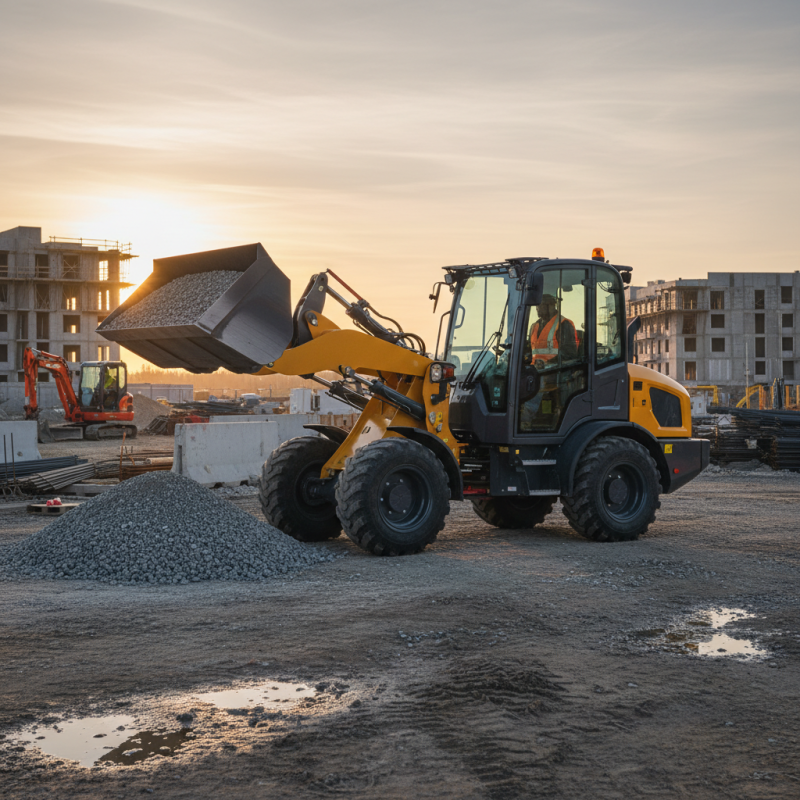
Understanding Compact Wheel Loaders: Key Specifications and Features
When choosing a compact wheel loader, understanding key specifications is vital. These machines vary in power, capacity, and size. Pay attention to the engine horsepower. A higher rating indicates better performance, especially for heavy lifting. Consider the bucket capacity too. It often ranges from 0.5 to 2 cubic yards, depending on the tasks you need it for.
Another feature to examine is the lifting height. A compact wheel loader with a low lifting height may limit your ability to reach higher piles or equipment. Ergonomics are essential as well. A comfortable operator's cabin can improve efficiency and reduce fatigue. Look for controls that feel intuitive, even if they are not always perfect.
Maneuverability is another key aspect. A smaller turning radius can make a significant difference on tight job sites. Some models may excel in open spaces but struggle in confined areas. Reflect on your typical working environment. You might realize you prioritize different traits based on your current and future needs. This deeper understanding can guide you in making a more informed decision.
Evaluating Engine Power and Efficiency for Optimal Performance
When choosing a compact wheel loader, engine power and efficiency are crucial. A powerful engine ensures that the loader can tackle various tasks. However, raw power isn't everything. Efficiency plays a significant role in fuel consumption and operational costs. It’s essential to find a balance between power and efficiency.
An efficient engine can save you money in the long run. Look for models with advanced fuel management systems. They can optimize fuel use without sacrificing performance. Some models may claim high horsepower but fall short in real-world applications. Relying solely on specifications can mislead you.
Testing different loaders in various conditions provides real insights. Try them on inclines, rough terrain, and in tight spaces. Consider how they handle these challenges. Reflect on your specific needs. A loader that excels in one area may struggle in another. The right choice requires careful thought and reflection on your operational needs.
2026 How to Choose the Best Compact Wheel Loader for Your Needs? - Evaluating Engine Power and Efficiency for Optimal Performance
| Model | Engine Power (HP) | Operating Weight (lbs) | Bucket Capacity (cu yd) | Fuel Efficiency (MPG) | Lifting Height (ft) |
| Model A | 74 | 5500 | 1.0 | 16 | 10 |
| Model B | 80 | 6000 | 1.2 | 15 | 11 |
| Model C | 85 | 6200 | 1.3 | 14 | 12 |
| Model D | 90 | 6500 | 1.5 | 13 | 13 |
| Model E | 95 | 6800 | 1.7 | 12 | 14 |
Assessing Load Capacity and Dump Height for Job Requirements
When choosing a compact wheel loader, assessing load capacity and dump height is crucial. Load capacity refers to how much weight your loader can handle. This measurement affects your efficiency during work. If you often lift heavy materials, a higher capacity is essential. On the other hand, if your job involves lighter tasks, you might not need as much.
Dump height matters too. It determines how high you can lift the bucket for dumping materials. If you are working next to a truck or a pile, you need sufficient dump height to avoid spillage. Measure the height of your expected dumping spot. This can prevent frustration on job sites.
Tips: Always test the loader before making a purchase. This gives you a feel for its capabilities. Also, consider your typical load. You may not need maximum capacity for every task. Look for a balance that fits your requirements. Understanding these aspects can save time and money on future projects.
Considering Versatility with Attachments and Accessories Options
When selecting a compact wheel loader, versatility is key. The ability to use various attachments can greatly expand your machine’s functionality. Consider common attachments like buckets, forks, and grapples. Each serves a different purpose, allowing for diverse tasks on construction sites or landscapes.
Think about the types of projects you will pursue. A simple bucket may suffice for general digging tasks. However, if you need to lift or move materials, fork attachments become essential. The right accessories can transform a loader from a basic machine to a multifunctional workhorse. This flexibility is vital for maximizing productivity.
Yet, not all attachments work seamlessly with every model. Compatibility should not be overlooked. Spending time researching attachment options can save frustration later. An attachment that is difficult to connect or operate can hinder workflow. Reflect on your specific needs and how attachments can meet those requirements. It's important to balance your needs with the loader's capacity and limitations.
2026 Compact Wheel Loader Versatility with Attachments and Accessories
This chart illustrates the versatility score of different attachments and accessories for compact wheel loaders, highlighting which options provide the best adaptability for various tasks.
Analyzing Cost of Ownership: Initial Investment vs. Maintenance Expenses
Choosing a compact wheel loader involves more than just the initial purchase price. The cost of ownership is a vital aspect to consider. Initial investments can vary significantly based on model and features. However, a lower upfront cost can sometimes mean higher long-term maintenance expenses. It's crucial to balance these factors. Some owners might underestimate future costs.
Maintenance expenses can add up quickly. Regular service, parts replacement, and repairs are all part of the equation. A machine that seems affordable at first glance may require frequent service, leading to unexpected costs. Evaluate how often the equipment will be used. Higher usage generally means more wear and tear. This wear can lead to increased maintenance needs.
Consider the type of work you will do. Different jobs can put different stresses on the equipment. Some operators may find that choosing a slightly pricier model yields savings in the long run. Additionally, assess the reliability of your choices. It’s worth investing in research. Mistakes in choosing the right equipment can lead to reflection on financial decisions later. Understanding both the initial investment and potential maintenance expenses is key to making an informed choice.