2026 How to Choose the Best Small Submersible Water Pump for Your Needs?
Choosing the right small submersible water pump can be a daunting task. With numerous options available, understanding the specific requirements for your project is crucial. According to a report by the Engineering Pump Association, the small submersible water pump industry has seen a growth of 12% annually, highlighting the increased demand in various sectors.
Expert John Smith, a recognized figure in water pump technology, states, “Selecting the right small submersible water pump can significantly impact efficiency and performance.” This reflects a common oversight in the field. Many users underestimate the importance of matching the pump’s specifications to their actual needs.
When considering a small submersible water pump, you must reflect on its size, flow rate, and intended use. Each factor plays a vital role in achieving optimal results. The wrong choice can lead to inefficiencies and increased costs, which is a reality many face. Therefore, careful evaluation is essential for making an informed decision in this evolving market.
Understanding Submersible Water Pumps: Key Features and Specifications
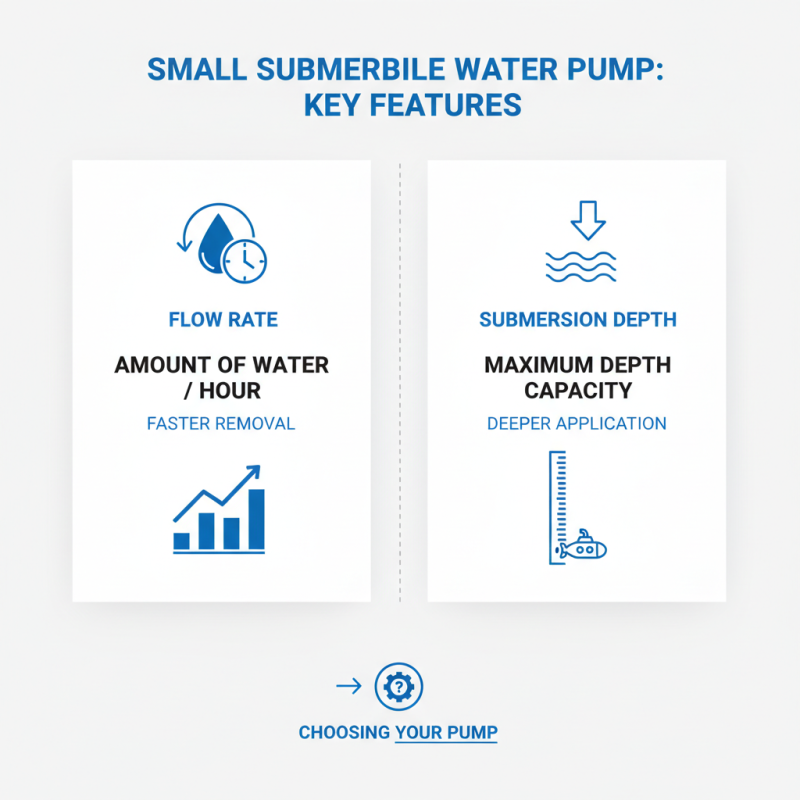
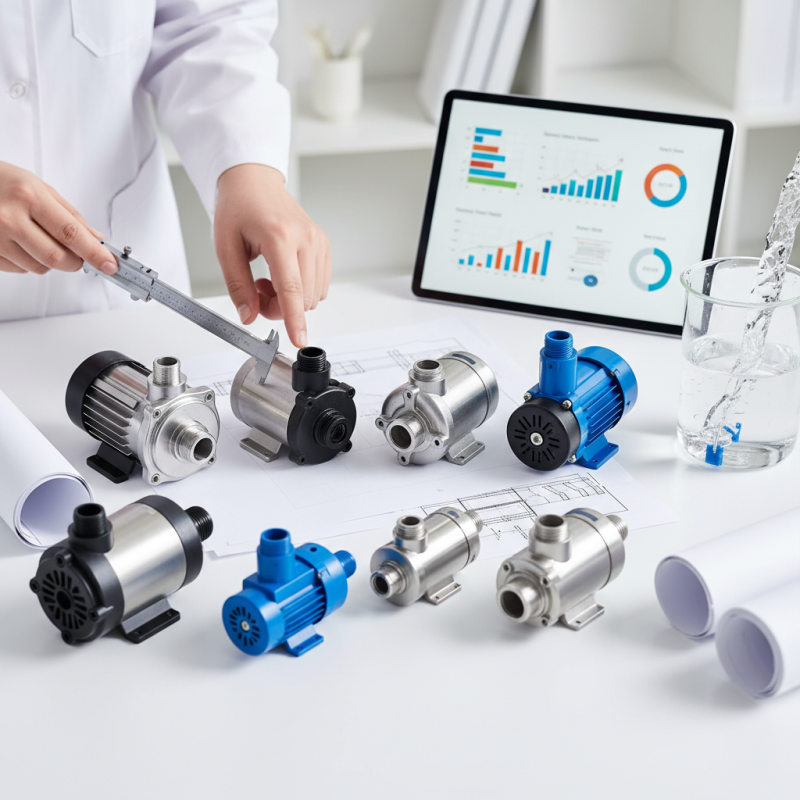
When selecting a small submersible water pump, understanding its key features is crucial. Look for the pump's flow rate, which indicates how much water it can move per hour. A higher flow rate means faster water removal. However, consider the depth of your application. Will the pump need to reach significant depths? Pay attention to the maximum submersion depth.
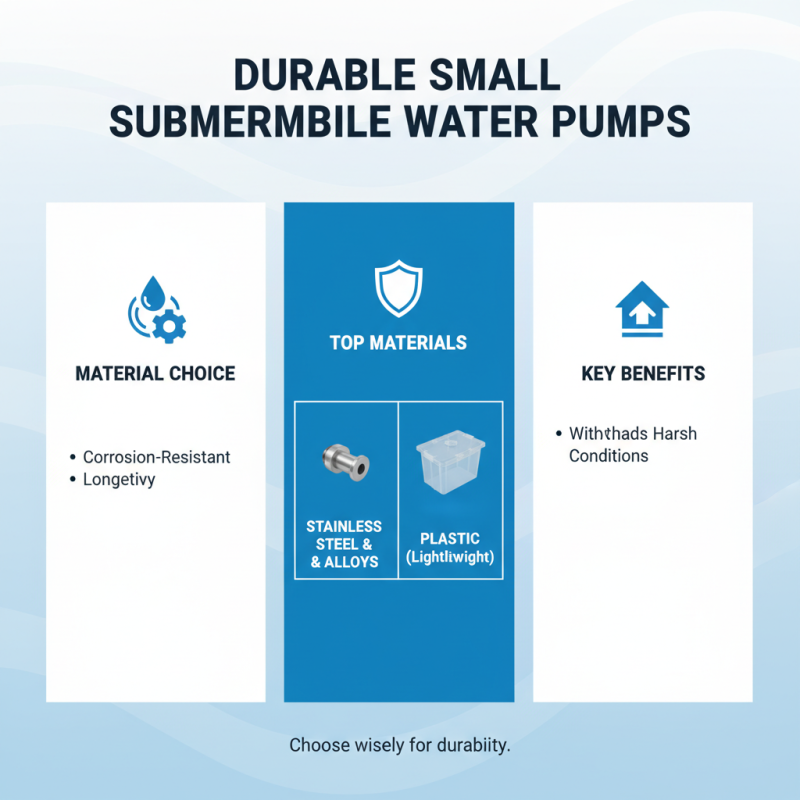
Another important aspect is the power source. Some pumps are electric, while others run on fuel. Electric pumps can be convenient but require a power supply. Fuel pumps may be better for remote locations but may have higher operating costs. Check the materials used in the pump's construction. Durable materials can withstand harsh conditions, extending the pump's lifespan.
**Tips:** Always read user reviews before making a purchase. They can provide insights on performance and durability. Test the pump in various conditions before relying on it for critical tasks. Don't overlook maintenance; even small pumps need care. Aim for efficiency but remain realistic about your needs. A powerful pump might be overkill for simple tasks. Balance your requirements with practicality to avoid costly mistakes.
Evaluating Pump Capacity: How Flow Rate Affects Performance
Choosing the right small submersible water pump is essential. Evaluating pump capacity is pivotal. The flow rate significantly affects performance. A typical flow rate for small submersible pumps ranges between 200 and 2000 gallons per hour (GPH). This variance can impact your specific needs greatly. For instance, a higher flow rate is necessary for large draining tasks, while lower rates suit smaller applications.
Pumps with a higher flow rate typically consume more energy. A pump might operate at 100 watts for lower flow rates but jump to 400 watts for higher capacities. This increased energy consumption can lead to higher utility bills. Selecting a pump without considering these factors could result in overlooked costs.
Tips: Always assess your total volume requirement. Match it with the pump’s capacity. Also, think about the pump's head height. This detail affects how well the pump can push water against gravity. Keep in mind, a flow rate that’s too high might cause splashing or erosion in some settings. Balancing these elements will enhance your pump's efficiency.
Power Source Options: Electric vs. Battery-Powered Submersible Pumps
Choosing the right power source for your submersible water pump is crucial. Electric pumps are common and reliable. They usually have higher power output, making them suitable for larger tasks. If you have access to electricity, they can be the best option. However, you must consider the power source's availability. Extension cords might be necessary for remote locations.
Battery-powered submersible pumps offer flexibility. They can be used anywhere without being tied to an electrical outlet. This can be helpful for quick jobs or during emergencies. However, battery life can be a concern. You may need extra batteries for extended use. Some users forget to recharge batteries, which causes delays in urgent situations.
Each option has its advantages and drawbacks. Electric pumps might not work during power outages. Battery-powered ones can be inefficient for heavy-duty tasks. You should evaluate your specific needs. Think about the frequency of use and the environment where you will operate the pump. It's important to weigh these factors carefully.
Comparison of Electric vs. Battery-Powered Submersible Water Pumps
Safety and Maintenance: Ensuring Reliable Operation for Your Pump
When selecting a small submersible water pump, it's crucial to prioritize safety and maintenance. Regular maintenance can significantly extend the pump's lifespan. Industry reports suggest that neglected pumps can fail 30% sooner than well-maintained ones. For optimal performance, examine your pump monthly. Look for signs of wear like cracks or rust. Keeping connections tight is vital for preventing leaks.
Tip: Always unplug the pump before performing maintenance. This simple action can prevent accidents and ensure personal safety. Cleaning the pump regularly is equally important. Debris can cause blockages, reducing efficiency. It’s advisable to use mild detergents and a soft brush. Yet, remember that over-cleaning can wear down parts.
Consider the environment where you use the pump. High humidity or corrosive substances can impact its performance. These conditions can lead to unexpected breakdowns, reflecting on your maintenance habits. Learn from common mistakes. Many users overlook routine checks, resulting in costly repairs. Investing a little time can pay off big in reliability and safety.
2026 How to Choose the Best Small Submersible Water Pump for Your Needs? - Safety and Maintenance: Ensuring Reliable Operation for Your Pump
| Pump Type |
Max Flow Rate (GPH) |
Max Lift (Feet) |
Power Consumption (W) |
Noise Level (dB) |
Maintenance Frequency (Months) |
| Submersible Utility Pump |
1800 |
20 |
550 |
70 |
6 |
| Submersible Sump Pump |
2000 |
30 |
600 |
68 |
12 |
| Submersible Fountain Pump |
1200 |
15 |
300 |
60 |
8 |
| Submersible Well Pump |
2500 |
80 |
800 |
72 |
24 |
| Submersible Drainage Pump |
1500 |
25 |
450 |
65 |
10 |