2025 How to Choose the Best Water Pump for Your Home Needs
Choosing the right water pump for your home is a critical decision that can significantly affect your daily water supply and overall household efficiency. With a plethora of options available in the market, understanding the distinct functionalities and specifications of each water pump type becomes essential. Whether you're dealing with irrigation, draining excess water, or providing a reliable source of potable water, the choice of water pump directly influences the convenience and effectiveness of your home's water management system.
When evaluating the best water pump for your needs, various factors come into play, including the intended use, the required flow rate, and the specific location of installation. Each application—be it for garden irrigation, sump pumping, or pool maintenance—requires a tailored approach to ensure optimal performance. Furthermore, considerations such as energy efficiency, maintenance needs, and the overall durability of the water pump should not be overlooked, as they contribute to long-term savings and sustainability.
This guide aims to simplify the selection process by outlining the key considerations that homeowners should keep in mind when choosing a water pump. By understanding the diverse options and their applications, you will be better equipped to make an informed choice that meets your particular needs and enhances your home’s water system.
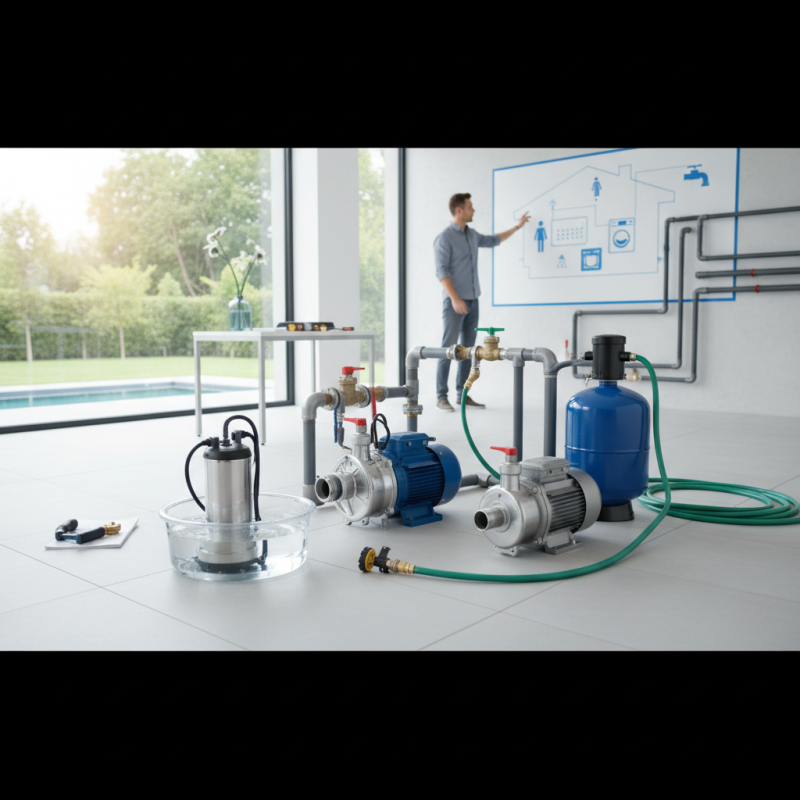
Understanding Different Types of Water Pumps for Home Use
When selecting a water pump for your home, it's essential to understand the different types available, as each serves specific needs and applications.
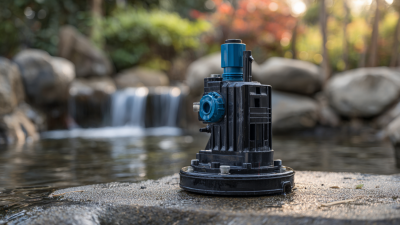
One common type is the submersible pump, which operates underwater and is ideal for draining flooded areas, such as basements or wells. These pumps are efficient and can handle large volumes of water, making them suitable for emergency situations. They are usually designed for durability and can operate quietly, ensuring minimal disruption during their use.
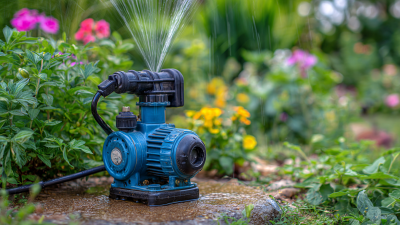
Another popular option is the centrifugal pump, which moves water by converting rotational energy from a motor into kinetic energy. This pump is ideal for boosting water pressure in your household plumbing system or for irrigating gardens. Centrifugal pumps come in various sizes and configurations, so it's crucial to choose one that matches your household's water supply needs and pressure requirements.
Additionally, diaphragm pumps are known for their ability to handle viscous fluids and can be a great choice in scenarios requiring precise control over water flow. Understanding these types and their specific functions will help you make an informed decision tailored to your home’s unique requirements.
Identifying Your Water Supply Needs and Requirements
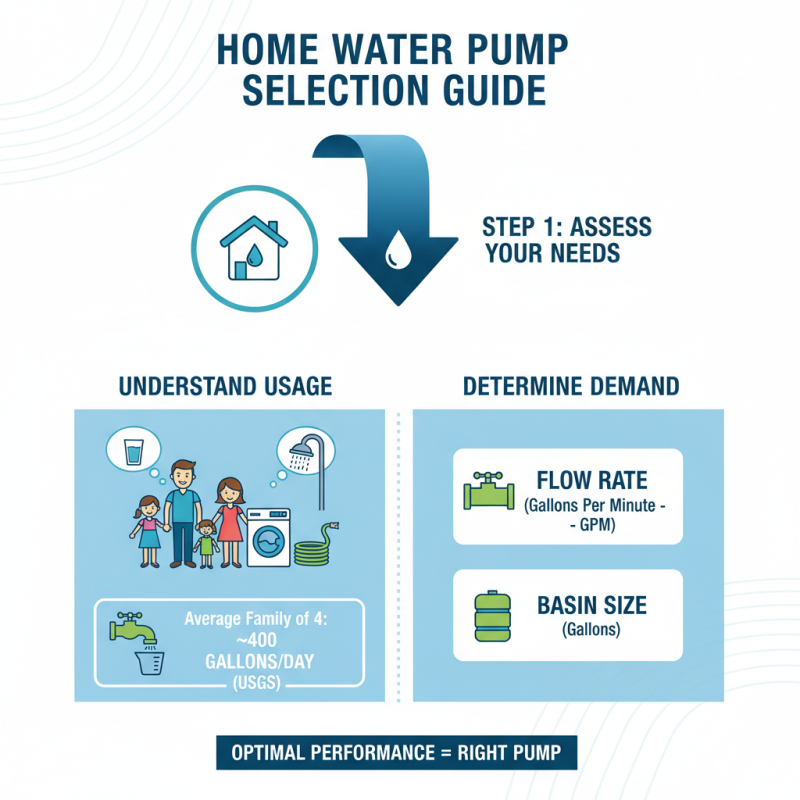
When it comes to selecting the best water pump for your home, the first step is to identify your specific water supply needs and requirements. Understanding your household's daily water usage is crucial, as the average family of four typically consumes about 400 gallons of water per day, according to the U.S. Geological Survey. This includes water for drinking, cooking, cleaning, and gardening. Evaluating the total water demand will help you determine the flow rate and basin size required for optimal performance.
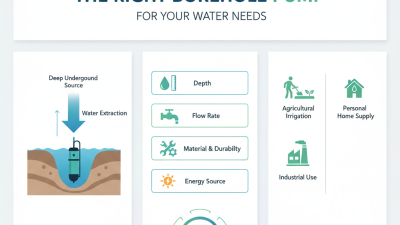
Another important factor is the source of your water supply. Are you relying on a municipal water system, a well, or perhaps a rainwater collection system? Each option presents different challenges and requirements. For instance, if you're using well water, you'll need a submersible pump capable of handling deeper water sources while maintaining sufficient pressure. In contrast, a surface water application may require a different type of pump system. Assessing your water source will aid in choosing the right pump type that ensures efficiency and longevity.
**Tips:** Always consider the horsepower of the pump; a higher horsepower generally means a greater ability to move water quickly and efficiently. Additionally, be mindful of your local regulations regarding water usage and pump installation, as compliance might affect your choice. Finally, regularly inspecting and maintaining your pump system can enhance its lifespan and improve performance, ensuring that your home’s water supply remains reliable year-round.
Evaluating Pump Specifications: Flow Rate, Pressure, and Power
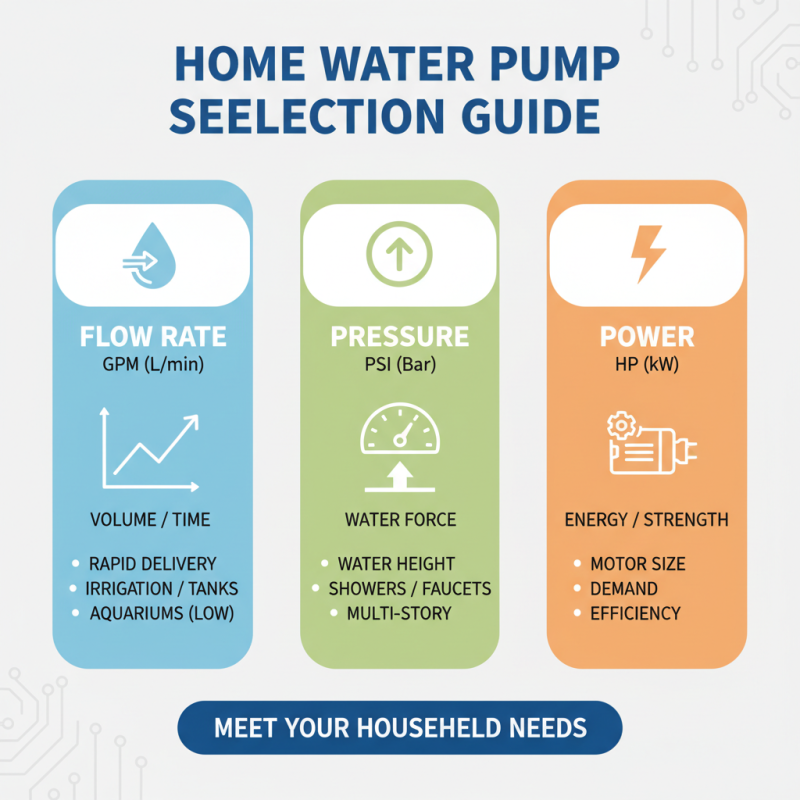
When selecting a water pump for your home, understanding the key specifications—flow rate, pressure, and power—is essential in ensuring you meet your household needs effectively. The flow rate, measured in gallons per minute (GPM) or liters per minute (L/min), indicates the volume of water the pump can deliver in a given time frame. A higher flow rate is generally preferable for applications requiring rapid water delivery, such as irrigation systems or filling large tanks. Conversely, for small-scale needs like fountains or aquariums, a lower flow rate may suffice. Thus, assessing your water usage requirements will guide you in determining the appropriate flow rate.
In addition to flow rate, pressure is a critical factor that influences the pump's ability to perform under various conditions. Measured in psi (pounds per square inch) or bar, pressure determines how high water can be pushed from the pump. If you live in a multi-story home or need to transport water over long distances, opting for a pump with sufficient pressure is vital. Lastly, evaluating the power of the pump, typically indicated in horsepower (HP) or watts, is important for understanding its operational efficiency and suitability for your intended application. More power means greater capability, but it's essential to balance power with energy efficiency to manage long-term operational costs effectively. Ultimately, a thorough evaluation of these specifications will help you choose the best water pump tailored to your household needs.
Comparing Energy Efficiency and Cost of Water Pumps
When selecting the best water pump for your home, evaluating energy efficiency alongside cost is crucial to optimize both performance and utility expenses. According to a report by the U.S. Department of Energy, water pumps account for approximately 20% of the energy usage in typical residential systems. Therefore, an energy-efficient model can significantly reduce your monthly bills while delivering the required performance for your household needs. High-efficiency pumps are designed to operate quietly and effectively, often yielding a return on investment within a few years through lower operating costs.
In terms of upfront investment, energy-efficient water pumps may have a higher purchase price than standard models. However, data from the Energy Star program suggests that consumers can save between 30% to 50% on energy costs with high-efficiency units compared to less efficient alternatives. Additionally, the longer lifespan of these pumps—often exceeding a decade with proper maintenance—further enhances their cost-effectiveness over time. When choosing a water pump, it's essential to consider both the initial outlay and the long-term operational savings, making energy efficiency a key factor in your decision-making process.
2025 How to Choose the Best Water Pump for Your Home Needs - Comparing Energy Efficiency and Cost of Water Pumps
| Pump Type |
Energy Efficiency (kW/HP) |
Cost ($) |
Recommended Usage |
| Submersible Pump |
0.75 kW |
300 |
Deep Well Applications |
| Jet Pump |
1.0 kW |
250 |
Shallow Well Applications |
| Centrifugal Pump |
1.5 kW |
400 |
Irrigation Systems |
| Diaphragm Pump |
0.5 kW |
150 |
Water Transfer |
| Electric Sump Pump |
0.4 kW |
200 |
Basement Water Removal |
Installation and Maintenance Considerations for Home Water Pumps
When selecting a water pump for your home, installation and maintenance are critical factors that can impact the pump's efficiency and longevity. Proper installation begins with ensuring that the chosen location can accommodate the pump's requirements, including sufficient drainage and accessibility for maintenance. It's important to follow manufacturer guidelines regarding pipe sizes and fittings to prevent backflow and pressure issues. Additionally, securing the pump on a firm and level surface helps reduce vibrations and operational noise, fostering a more seamless integration into your home’s water system.
Maintenance is equally important in ensuring the water pump functions optimally over time. Regularly inspecting and cleaning the inlet filters can prevent clogging and ensure a steady flow of water. It's also wise to monitor the pump's performance, keeping an eye out for unusual noises or vibrations that may indicate wear. Additionally, seasonal maintenance checks—such as verifying the connections and seals—can help identify potential issues before they escalate. By carefully considering these installation and maintenance factors, homeowners can select a water pump that meets their needs while ensuring long-lasting performance and reliability.
2025 Home Water Pump Selection Overview