What is an Inline Water Pump and How Does It Work?
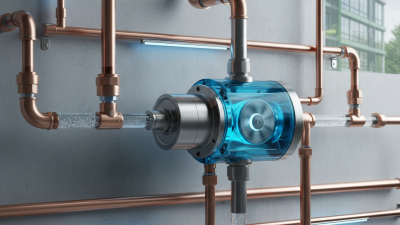
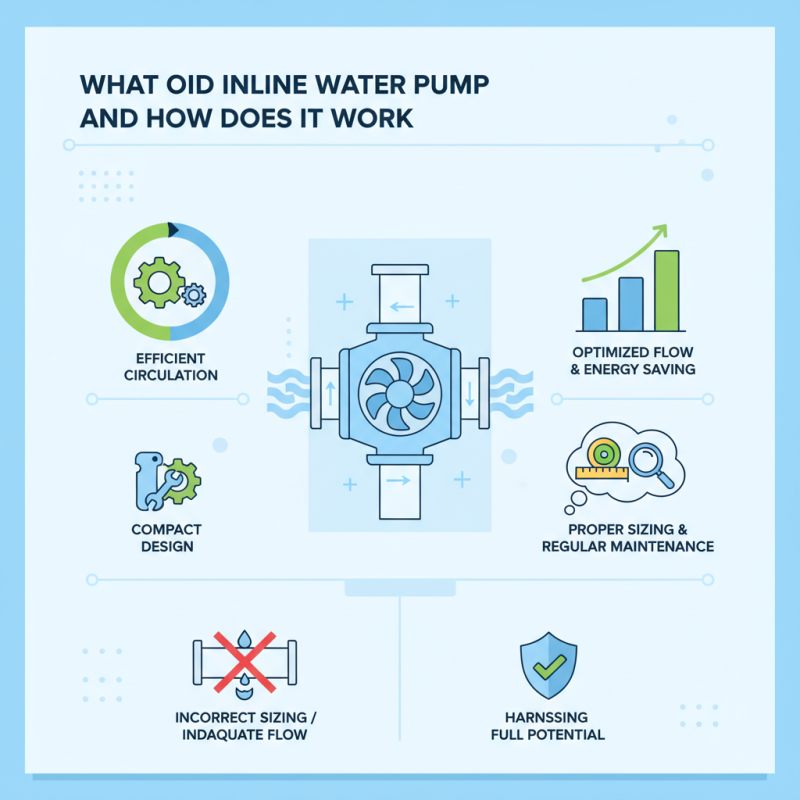
An inline water pump is a crucial equipment in many industrial and residential settings. This pump type is designed for efficient water circulation. Its compact design allows it to fit seamlessly into existing piping systems. According to John Smith, a leading expert in fluid dynamics, "Inline water pumps optimize flow while saving energy." His analysis highlights the importance of this pumping system.
Understanding how an inline water pump works requires a look at its mechanisms. This pump uses an impeller to move water, creating pressure that propels the liquid. Its efficiency is often enhanced by proper installation and maintenance. However, many users overlook these factors, leading to suboptimal performance.
Despite its advantages, some challenges come with inline water pumps. Incorrect sizing can be an issue, causing inadequate flow rates. Regular inspections and proper sizing are key to harnessing its full potential. Failing to address these areas may hinder efficiency and increase energy costs.
Definition of Inline Water Pump and Its Main Components
An inline water pump is a crucial component in various fluid transfer systems. It efficiently moves water through pipes without requiring complex setups. The pump operates by utilizing an electric motor to drive an impeller, which generates the necessary pressure to propel water forward.
The main components of an inline water pump include the impeller, housing, motor, and piping connections. The impeller is a rotor that pushes water. The housing contains other parts and can be made of materials like cast iron or stainless steel for durability. The motor, either electric or gas-powered, provides the energy needed for operation. Proper alignment and maintenance are critical for maximizing efficiency.
Tips: Regular maintenance helps prevent unexpected failures. Check seals and connections frequently. Keep an eye on the pump's operational noise; unusual sounds often indicate issues. Stay informed about updates in pump technology. Many users overlook these details, leading to costly repairs later. Always track the performance metrics as outlined in the latest industry reports. For example, efficiency ratings can vary significantly across different model types. Understanding these nuances is vital for any operator seeking longevity in their equipment.
Working Principle of Inline Water Pumps: How They Operate
Inline water pumps are essential components in various industries. They serve to move water or other fluids within a system. Understanding their working principle can enhance efficiency and effectiveness.
These pumps operate based on a simple yet effective mechanism. Water enters the pump through an inlet and passes through an impeller, which is driven by a motor. This impeller creates a centrifugal force, pushing the water out through the outlet. According to the Hydraulic Institute, inline pumps can achieve efficiencies of over 80%, making them ideal for numerous applications. However, this efficiency can be compromised if the pump isn’t appropriately sized or maintained.
Another consideration is the typical flow rates, which can range from a few gallons per minute to several thousand. It’s crucial to select a pump that meets the specific demands of the project. Oversized pumps may lead to unnecessary energy consumption, while undersized ones can fail to provide adequate flow. The ANSI/HI 1.1 standards highlight the importance of pump selection, noting that improper application leads to reduced performance and increased wear. A thoughtful approach to inline water pump selection can prevent costly mistakes and ensure long-lasting operations.
Common Applications of Inline Water Pumps in Various Industries
Inline water pumps are versatile devices used across many industries. They are commonly found in HVAC systems, where they circulate water for heating and cooling. In the food and beverage industry, these pumps facilitate the movement of liquids, ensuring products are processed efficiently. Inline pumps can also be seen in agricultural settings, providing essential irrigation to crops.
These pumps excel in applications requiring compact design and efficient performance. In manufacturing, they help in cooling systems, maintaining optimal temperatures within machinery. However, their installation is not always straightforward. Sometimes, troubleshooting issues can become a challenge. Users often find it difficult to manage vibrations and noise generated by the pump.
In aquaculture, inline pumps are crucial for maintaining water quality. They help circulate water in fish tanks, providing aeration. However, if not monitored, these pumps can lead to imbalances in water chemistry. This draws attention to the importance of regular maintenance and monitoring. Understanding each application can enhance the reliability of inline water pumps, making them more effective in various industries.
Advantages of Using Inline Water Pumps Over Other Types
Inline water pumps are gaining popularity for various applications. They are efficient and compact. These pumps are installed directly into the piping system. This setup saves space while delivering strong performance.
One significant advantage is their energy efficiency. Inline pumps generally consume less power than traditional pumps. They also have a simpler design. Fewer moving parts mean less maintenance. This reduces downtime and associated costs. Users often find them easier to install.
However, some might overlook the noise factor. Inline pumps can be noisier than submerged options. This could be a concern in residential areas. Regular checks are essential to ensure optimal operation. Monitoring performance can help mitigate issues. Ultimately, for many, the benefits outweigh these drawbacks.
Maintenance Tips for Ensuring Optimal Performance of Inline Water Pumps
Inline water pumps are essential for efficient water circulation in various systems. To ensure they work well, maintenance is crucial. Regular checks can catch issues before they become serious.
One vital tip is to inspect the pump regularly. Look for leaks or unusual noises. Sometimes, dirt builds up around the inlet or impeller. Cleaning these areas can prevent clogs. Also, check the seals. A worn seal can lead to major problems later.
Another aspect to consider is fluid quality. Dirty or contaminated water can damage the pump. Use a filter if necessary. You may think it's fine, but grime can harm the system. Regularly changing the fluid also helps maintain performance. Keeping records of maintenance activities is beneficial. It may reveal patterns and help you improve your routine.
Remember, neglecting these tasks may lead to costly repairs. Performance can drop when a pump isn't cared for properly. It's better to invest time in maintenance than to face bigger issues later.