Why Choose an Irrigation Water Pump: Key Benefits and Considerations
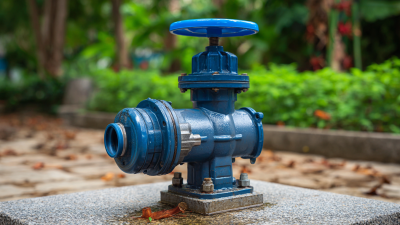
When it comes to effective and sustainable farming practices, one pivotal tool that stands out is the irrigation water pump. These pumps play a crucial role in facilitating the efficient distribution of water across agricultural fields, ensuring crops receive the necessary hydration to thrive. With the increasing variations in climate and the growing demand for food production, investing in a reliable irrigation water pump has become essential for farmers and agricultural professionals alike.
In addition to promoting healthy crop growth, an irrigation water pump offers numerous benefits, such as improved water management, reduced labor costs, and enhanced productivity. By automating the irrigation process, these pumps not only save valuable time but also optimize water usage, which is particularly important in regions facing water scarcity. Furthermore, selecting the right pump can lead to significant energy savings, thereby lowering operational costs and contributing to sustainable farming practices.
As we delve into the key benefits and considerations of utilizing an irrigation water pump, it is important to evaluate factors such as the specific water requirements of crops, the type of pump that best suits the agricultural setting, and the potential for future scalability. Understanding these aspects will empower farmers to make informed decisions, ultimately leading to more efficient and productive agricultural operations.
Understanding the Role of Irrigation Water Pumps in Agriculture
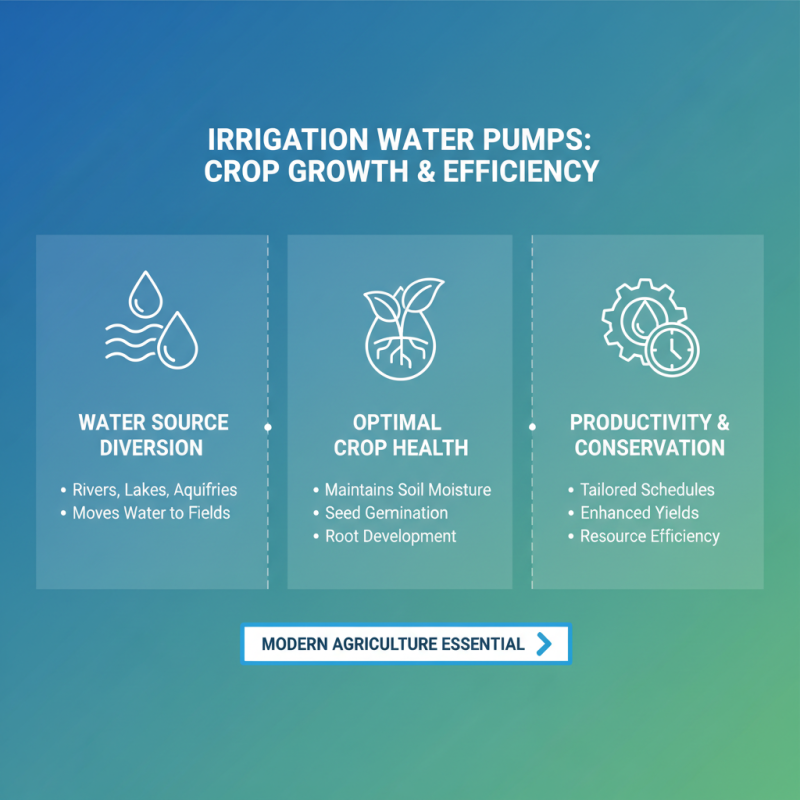
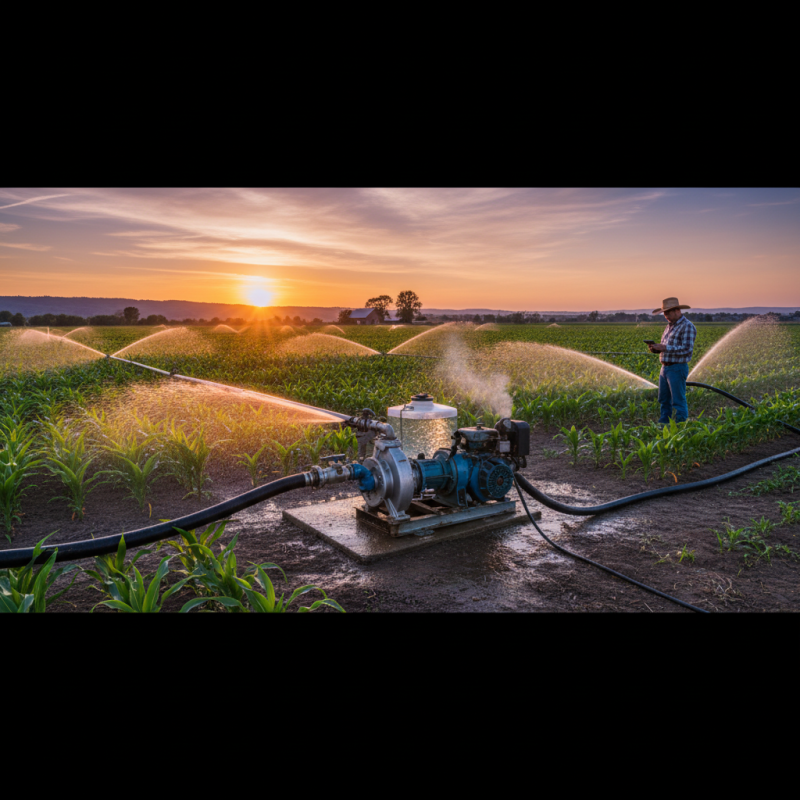
Irrigation water pumps play a crucial role in modern agriculture, facilitating efficient water management and ensuring optimal crop growth. These pumps are essential for moving water from various sources—be it rivers, lakes, or underground aquifers—directly to the fields. By providing a reliable water supply, they help maintain soil moisture levels, which is vital for seed germination, root development, and overall plant health. The ability to tailor irrigation schedules according to specific crop needs also enhances productivity and resource conservation.
In addition to boosting crop yields, irrigation water pumps support sustainable farming practices. They enable farmers to implement precision irrigation techniques, which minimize water wastage and reduce runoff, protecting local water resources. As climate change intensifies and water scarcity becomes a growing concern, these pumps offer a strategic solution for adapting to variable water availability. The integration of advanced technologies, such as automated systems and sensors, further improves the efficiency of water usage, making irrigation more responsive to the changing needs of the crops while ensuring environmental preservation.
Key Benefits of Using Irrigation Water Pumps for Crop Growth
Irrigation water pumps play a vital role in modern agriculture, providing essential benefits that significantly enhance crop growth. One of the primary advantages of using these pumps is their ability to ensure a consistent and reliable water supply. Adequate irrigation not only sustains plant health but also maximizes yield potential during critical growth stages, particularly in regions prone to irregular rainfall patterns. By using irrigation pumps, farmers can actively manage water resources, ensuring that crops receive the precise quantity needed for optimal development.
In addition to improving water delivery, irrigation water pumps facilitate efficient nutrient distribution. When combined with a well-planned irrigation system, these pumps help in the application of fertilizers and other treatments directly to the root zone, enhancing nutrient uptake. This precision in nutrient management leads to healthier plants and can significantly reduce waste, providing both economic and environmental benefits. Moreover, using irrigation pumps can help prevent soil erosion and degradation, promoting sustainable farming practices that contribute positively to long-term agricultural productivity.
Factors to Consider When Selecting an Irrigation Water Pump
When selecting an irrigation water pump, several critical factors should be evaluated to ensure optimal performance and efficiency. One primary consideration is the pump's flow rate, which determines how much water can be delivered to your crops or garden within a given timeframe. It is vital to match the flow rate to the specific irrigation requirements of your plants, as insufficient water can lead to stress and reduced yields. Additionally, understanding the total dynamic head (TDH) is essential, as it measures the energy required to transport water from the source to the desired location, accounting for both vertical lift and friction losses within the system.
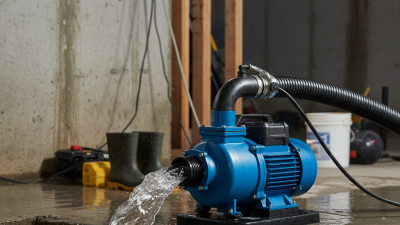
Another important aspect to consider is the type of pump that best suits your irrigation needs. Options range from centrifugal pumps, which are suitable for large-scale applications and can handle high flow rates, to submersible pumps, ideal for deeper water sources. Each type has its advantages and limitations regarding efficiency, maintenance, and energy consumption. Furthermore, evaluating the power source is crucial; whether opting for electric, diesel, or solar-powered pumps, it's necessary to consider the availability, cost, and environmental impact that align with your operational goals. Prioritizing these factors will help ensure that your investment in an irrigation water pump supports sustainable agricultural practices and maximizes water usage effectively.
Why Choose an Irrigation Water Pump: Key Benefits and Considerations
| Feature |
Description |
Benefits |
Considerations |
| Power Source |
Electric, Diesel, Manual |
Versatility in different environments |
Electricity availability and fuel costs |
| Flow Rate |
Measured in gallons per minute (GPM) |
Efficient irrigation of large areas |
Required flow rate for specific crops |
| Total Dynamic Head (TDH) |
Height that water needs to be pumped |
Ensures adequate pressure for irrigation |
Elevation of the water source |
| Pump Type |
Centrifugal, Submersible, Surface |
Each type serves specific irrigation needs |
Right type for your application |
| Durability |
Materials and construction quality |
Longer lifespan and reliability |
Cost versus durability trade-offs |
| Maintenance |
Frequency and type of maintenance required |
Reduced downtime and operational efficiency |
Expertise and resources for maintenance |
Types of Irrigation Water Pumps and Their Applications
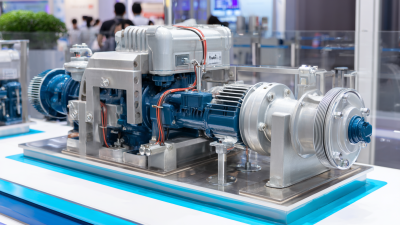
When selecting an irrigation water pump, understanding the various types and their specific applications is essential to optimizing your irrigation system. There are primarily three types of irrigation water pumps: centrifugal pumps, submersible pumps, and positive displacement pumps. Centrifugal pumps are commonly used for surface irrigation due to their efficiency in moving large volumes of water. According to industry reports, these pumps can handle flow rates exceeding 700 gallons per minute (GPM), making them ideal for large-scale agricultural operations.
Submersible pumps are designed to operate underwater, making them perfect for deeper water sources, such as wells or reservoirs. Their compact design allows for easy installation and maintenance, as they are typically housed within the water source itself. A recent study indicated that submersible pumps can deliver significantly higher energy efficiency compared to other types, with up to 30% energy savings in certain applications.
Positive displacement pumps, on the other hand, are best suited for high-pressure applications and can handle viscous fluids. They are often used in specialized irrigation setups, such as where fertilizer or chemicals need to be injected into the water supply. As reported by agricultural engineering specialists, the precision of these pumps enhances nutrient distribution, contributing to improved crop yields.
Tips: When choosing an irrigation water pump, assess the specific needs of your crops and the layout of your irrigation system. Consider the water source depth and required flow rates to select the most suitable pump type. Additionally, regular maintenance is crucial to ensuring efficiency; inspect pumps periodically for wear and tear to prolong their lifespan.
Benefits of Different Types of Irrigation Water Pumps
Maintenance Tips for Optimal Performance of Irrigation Water Pumps
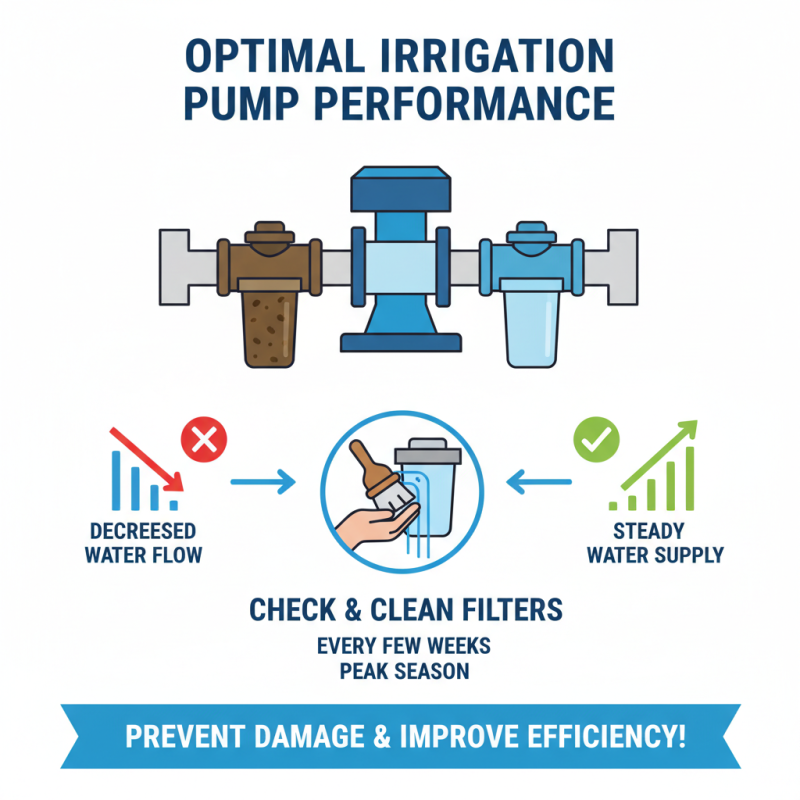
To ensure optimal performance of irrigation water pumps, regular maintenance is essential. One of the primary maintenance tasks is to routinely check and clean the pump filters. Accumulation of debris and sediment in filters can impede water flow, leading to decreased efficiency and potential damage to the pump. Cleaning these filters every few weeks, especially during peak irrigation seasons, will help maintain a steady and effective water supply.
Another crucial aspect of maintenance involves monitoring the pump's seals and fittings for signs of wear or leaks. Over time, seals can degrade, leading to loss of efficiency and increased energy consumption. Regular inspection allows for timely replacement of any worn components, ensuring that the pump operates smoothly. Additionally, lubricating moving parts according to the manufacturer's recommendations will minimize friction and extend the pump’s lifespan. By prioritizing these maintenance tips, users can achieve optimal performance from their irrigation water pumps, resulting in better water management and healthier crops.