How to Optimize Tandem Cold Rolling Mill for Better Efficiency?
The optimization of the tandem cold rolling mill is crucial for enhancing operational efficiency in the steel industry. Recent industry reports indicate that an optimized mill can increase productivity by 20% to 30%. This is essential as global steel demand continues to rise, with projections suggesting a 2.3% annual growth through 2026. Many mills, however, struggle with energy consumption and waste management.
Efficiency in a tandem cold rolling mill involves multiple parameters. These include the alignment of rolls, maintaining optimal speeds, and precise temperature control. Even minor adjustments can lead to significant performance improvements. For example, reducing downtime by just 10% can save substantial operational costs. However, many companies overlook these details.
As the industry's sustainability goals intensify, optimizing a tandem cold rolling mill becomes more urgent. Failure to improve efficiency may hinder competitiveness. A focus on technology and training is essential. Ongoing assessments can highlight areas needing change, ensuring that companies adapt to evolving market demands.
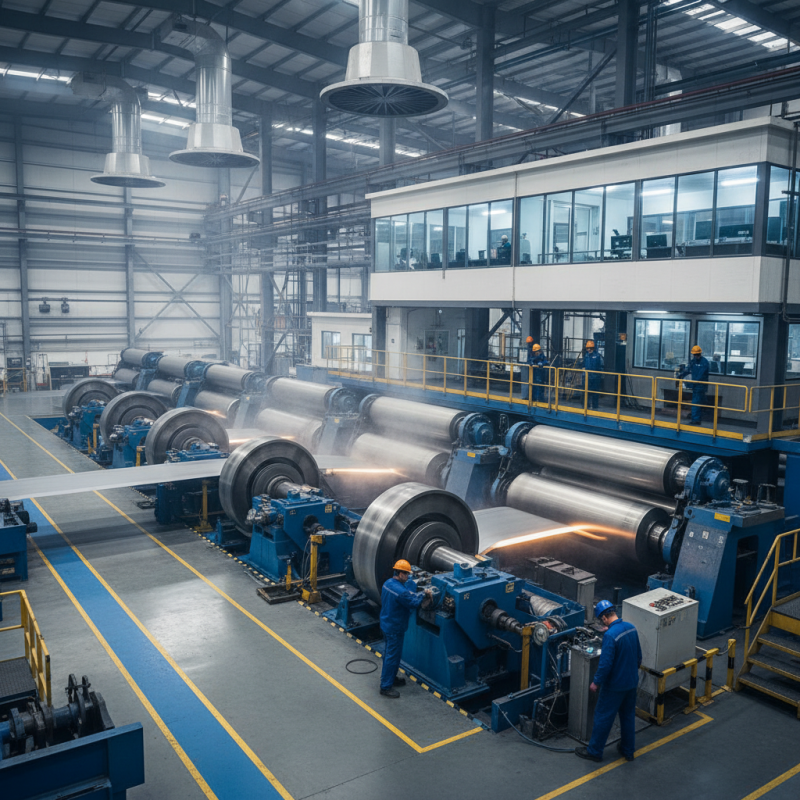
Understanding the Basics of Tandem Cold Rolling Mill Operations
Tandem cold rolling mills are crucial in metal processing. These machines reduce the thickness of metal strips effectively. Understanding their operations can enhance production efficiency and quality. The process involves passing the metal through multiple rollers. Each roller reduces the thickness incrementally. Consistent monitoring of roller gaps is essential.
Temperature and lubrication play vital roles in operations. Inadequate lubrication may cause increased friction, leading to defects. Operators must ensure the right temperature is maintained. If it drops too low, it can affect the material's ductility. On the other hand, too high temperatures may lead to material failures. Regular checks are necessary for optimal conditions.
Operator training is another critical aspect of efficient operations. Skilled workers understand the machinery better. They can quickly identify and solve problems that may arise. However, there is always room for improvement in training programs. Sometimes, even minor adjustments can lead to significant gains. These reflections help refine processes continuously. Each mistake provides valuable lessons.
Identifying Key Factors Affecting Efficiency in Cold Rolling Processes
Cold rolling efficiency relies on multiple key factors. Mill setup, maintenance, and operating conditions significantly impact performance. According to a study by the Steel Institute, optimizing roll gap and aligning rolling forces can enhance output by up to 15%. Monitoring temperature during the process is equally crucial. Improper thermal conditions lead to defects and decreased productivity.
Additionally, material choice plays a pivotal role. Using advanced alloys can improve the rolling process and reduce energy consumption. Reports indicate that optimized material properties can yield efficiency gains of 10% or more. Regular equipment checks are essential. Neglected machinery leads to sudden breakdowns, undermining efficiency and increasing costs. A proactive maintenance schedule ensures the mill operates at peak performance.
Moreover, operator training cannot be overlooked. Skilled personnel understand how to adjust parameters for maximum productivity. Investing in training can lead to a noticeable reduction in scrap rates. Despite these strategies, some operations still face challenges. Identifying inefficiencies is an ongoing process, requiring constant vigilance. Regular reviews can reveal hidden issues affecting overall efficiency.
How to Optimize Tandem Cold Rolling Mill for Better Efficiency?
| Key Factor | Description | Impact on Efficiency (%) |
| Roller Alignment | Proper alignment minimizes wear and reduces operational costs. | 15% |
| Temperature Control | Maintaining optimal temperature improves material properties. | 20% |
| Lubrication Quality | High-quality lubricants reduce friction and improve surface finish. | 10% |
| Mill Speed | Optimal mill speed can enhance productivity and reduce downtime. | 25% |
| Operator Training | Well-trained operators can effectively manage equipment and address issues promptly. | 18% |
| Maintenance Schedule | Regular maintenance prevents unexpected failures and extends equipment lifespan. | 12% |
Implementing Advanced Technologies for Enhanced Mill Performance
Advancements in technology can significantly enhance the performance of tandem cold rolling mills. Implementing automation systems can optimize speed and precision. This helps in adjusting parameters in real time, reducing errors and waste. For example, sensors can monitor material properties as it moves through the mill. This allows for adjustments on the fly, maximizing yield and reducing scrap rates.
Tips for optimizing your mill include investing in predictive maintenance technologies. Regularly scheduled maintenance can prevent unexpected breakdowns. Real-time data analysis helps in identifying potential issues before they escalate. Staff training on new technologies is equally vital. Employees should understand how to use advanced machinery effectively.
Energy efficiency is another critical area. Implementing energy management systems can reduce costs. Monitor energy consumption patterns to identify savings opportunities. Sometimes, however, integrated systems can lead to initial confusion or operational mismatches. Regular feedback and adaptation can help to refine these systems over time.
Strategies for Regular Maintenance to Maximize Operational Efficiency
Regular maintenance is vital for tandem cold rolling mills. Reports indicate that over 20% of production time can be lost due to equipment failure. With proper strategies, this downtime can be significantly reduced. Scheduled inspections help identify issues before they escalate. Many mills neglect this, leading to costly repairs and inefficiencies.
Implementing a predictive maintenance program can also enhance efficiency. Data analytics can forecast potential failures by monitoring equipment performance. Some mills have reported a 15% increase in efficiency by using real-time data. Regular lubrication and alignment checks further improve operational life and reduce unplanned outages.
Operators often overlook routine tasks. Simple misalignments or bearing issues can cause cascading failures. Focusing on consistent, minor maintenance prevents major disruptions. Investing time in these details can yield substantial long-term savings. However, it's essential to balance maintenance efforts with production demands to avoid hindering output.
Analyzing Production Data for Continuous Improvement Opportunities
In optimizing a tandem cold rolling mill, analyzing production data is crucial. This process helps identify inefficiencies within the operation. By reviewing metrics, mills can uncover trends that lead to improvement. Regular data collection allows for actionable insights into machine performance and yield rates.
Tips: Establish a routine for gathering data. Consistent tracking highlights patterns over time. Additionally, involve your team in discussing findings. Their insights can reveal opportunities you might overlook.
Production irregularities may appear random, but they often stem from underlying issues. For instance, variations in material quality can affect throughput. This variability requires reflective practices. Investigate root causes rather than addressing symptoms only. A culture of continuous assessment is essential for lasting efficiency.
Tips: Conduct regular maintenance checks. This practice prevents downtime that could stall production. Utilize downtime for training sessions. Invest in your team’s knowledge to boost overall performance.
Efficiency Analysis of Tandem Cold Rolling Mill
This chart analyzes the production efficiency of a tandem cold rolling mill over the last six months. The data indicates improvements in efficiency percentage relative to the average production per day.