
Top 10 Tips for Choosing the Best Submersible Well Pump?
Selecting the right submersible well pump is crucial for efficient water supply management. A study by the National Ground Water Association reveals that improper pump selection can lead to increased energy costs and decreased efficiency by up to 30%. This makes careful evaluation essential.
Industry expert John Smith states, “Choosing the right submersible well pump can save homeowners both money and headaches in the long run.” His insights highlight the importance of understanding pump specifications. With various models available, factors such as depth, discharge rate, and system requirements play a key role in the decision-making process.
Moreover, many consumers underestimate the impact of using subpar equipment. A mismatch in pump size or power can lead to major operational issues, affecting overall performance and durability. Taking the time to analyze options is vital for long-term satisfaction and reliability in your water supply system. Understanding these nuances helps mitigate risks and encourages informed choices.
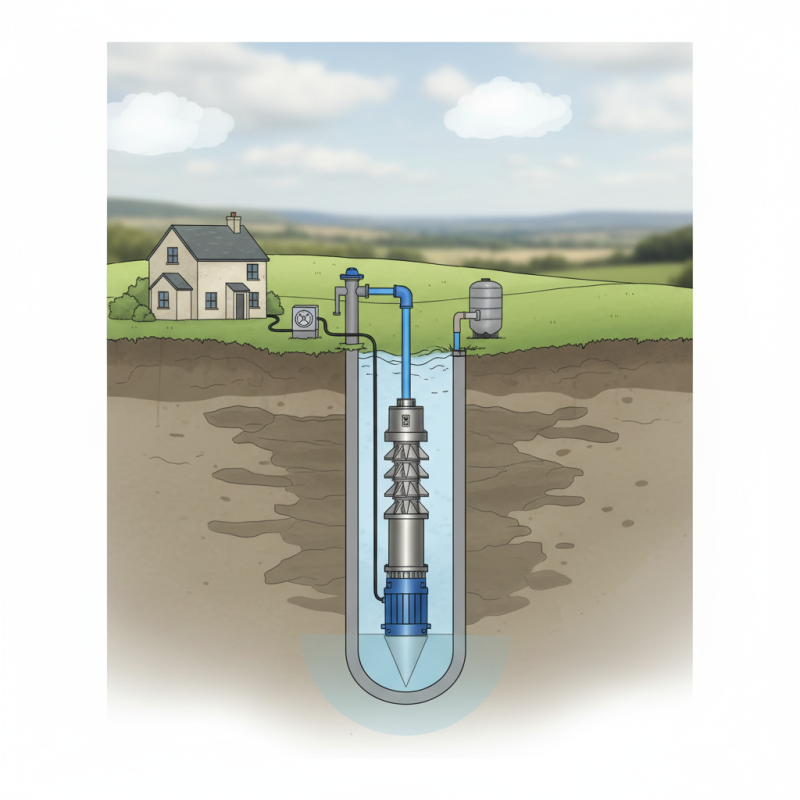
Understanding the Basics of Submersible Well Pumps
When considering submersible well pumps, understanding their mechanics is crucial. These pumps operate underwater, pushing water to the surface through a series of stages. According to the Water Quality Association, proper selection can boost efficiency by 30%. Choosing the wrong pump may lead to higher energy costs and reduced lifespan.
When picking a submersible well pump, focus on the depth of your well. A pump's horsepower rating matters. Selecting a pump with insufficient power could result in inadequate water flow. For most residential wells, a pump with a capacity of 4-10 gallons per minute is common, but your needs may vary.
Another critical tip is to assess the material quality. Pumps made from corrosion-resistant materials generally last longer. Reviews show that stainless steel components can outperform plastic ones in durability. Remember, you might need to replace a low-quality pump sooner than expected, leading to extra expenses.
Top 10 Tips for Choosing the Best Submersible Well Pump
| Tip No. | Tip Description | Key Consideration |
|---|---|---|
| 1 | Determine the depth of your well. | Choose a pump that can reach the bottom of the well. |
| 2 | Calculate the required flow rate. | Ensure the pump can deliver the desired gallons per minute (GPM). |
| 3 | Assess the water quality. | Choose a pump resistant to sand and other contaminants. |
| 4 | Check the power supply. | Match the pump voltage to your electrical system. |
| 5 | Consider the pump's materials. | Opt for corrosion-resistant materials for longevity. |
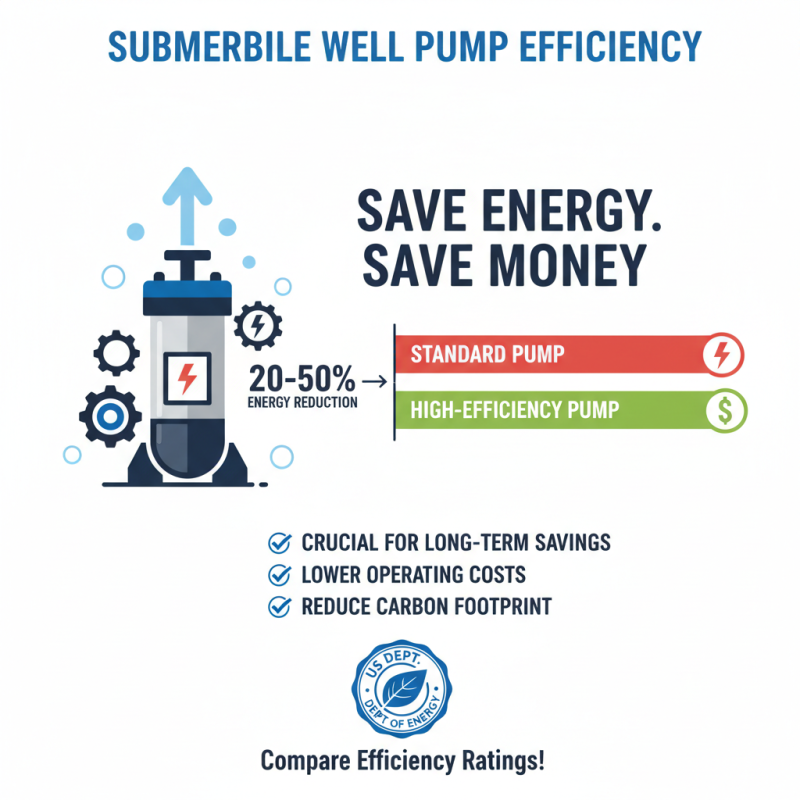
| 6 | Look into the pump's efficiency. | Higher efficiency leads to lower energy costs. |
| 7 | Read customer reviews. | Gain insights from other users' experiences. |
| 8 | Check for warranty options. | A good warranty indicates manufacturer confidence. |
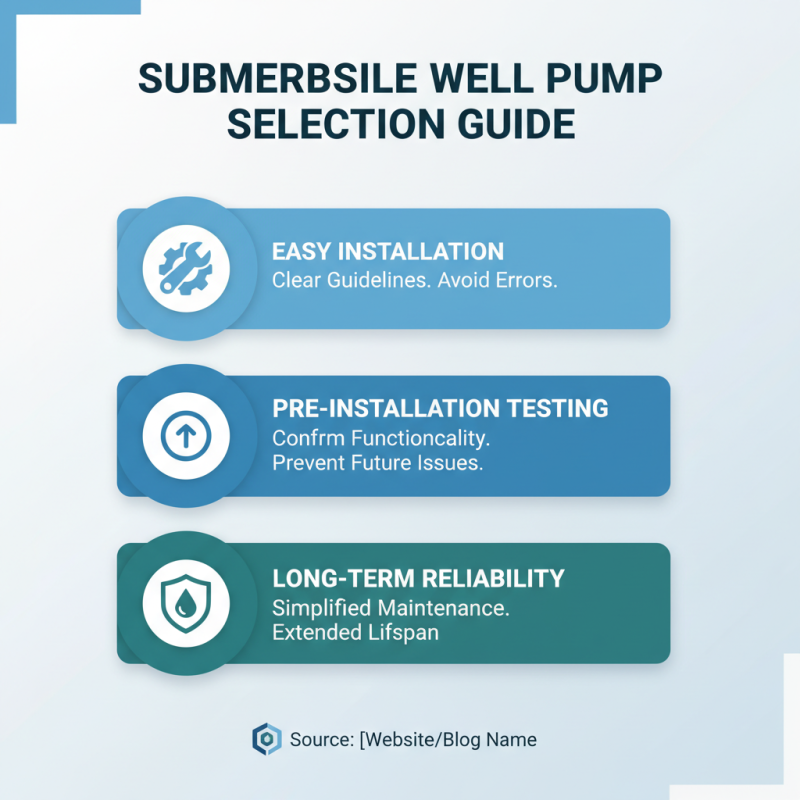
| 9 | Inquire about installation requirements. | Some pumps may need professional installation. |
| 10 | Compare prices. | Find a pump that offers the best value for your needs. |
Related Posts
-

Innovative Uses of Small Water Pumps in Modern Agriculture Boosting Efficiency and Sustainability
-
Understanding the Essential Role of Small Water Pumps in Everyday Life and Gardening
-
Unlocking the Power of Small Electric Water Pumps: Your Ultimate Guide to Efficient Water Solutions
-
Top 5 Best Water Suction Pumps for Efficient Water Removal in 2023
-
How to Choose the Right Submersible Pump for Your Needs: A Complete Guide
-
2026 Top Submersible Well Pump Technologies for Water Solutions?