Top 10 Electric Water Pumps You Need for Your Home?
In today's world, a reliable electric water pump is essential for homeowners. According to recent data from the Electric Pump Association, the demand for electric water pumps has surged by 30% in the last five years. This growth reflects their importance in managing water supply and irrigation systems.
Bob Carter, a renowned expert in fluid dynamics, emphasizes, "An electric water pump is not just a tool; it's a lifeline for efficient water management." This statement underscores the critical role electric water pumps play in various applications. From agricultural irrigation to residential use, these devices offer convenience and efficiency.
However, selecting the right electric water pump can be challenging. Many models come with different features that may confuse buyers. Not all pumps are energy efficient, leading to higher utility bills. Some users report issues with noise and durability. A careful thought process is necessary before making a purchase. Understanding your specific needs is key to choosing the best pump for your home.
Top Features to Look for in Electric Water Pumps for Home Use
When selecting an electric water pump for your home, there are several key features to consider. The flow rate is crucial. Most household needs require a pump that can deliver around 20 gallons per minute. This rate ensures efficient water supply for tasks like irrigation and cleaning. According to industry reports, pumps should match your specific usage demands to avoid underperformance.
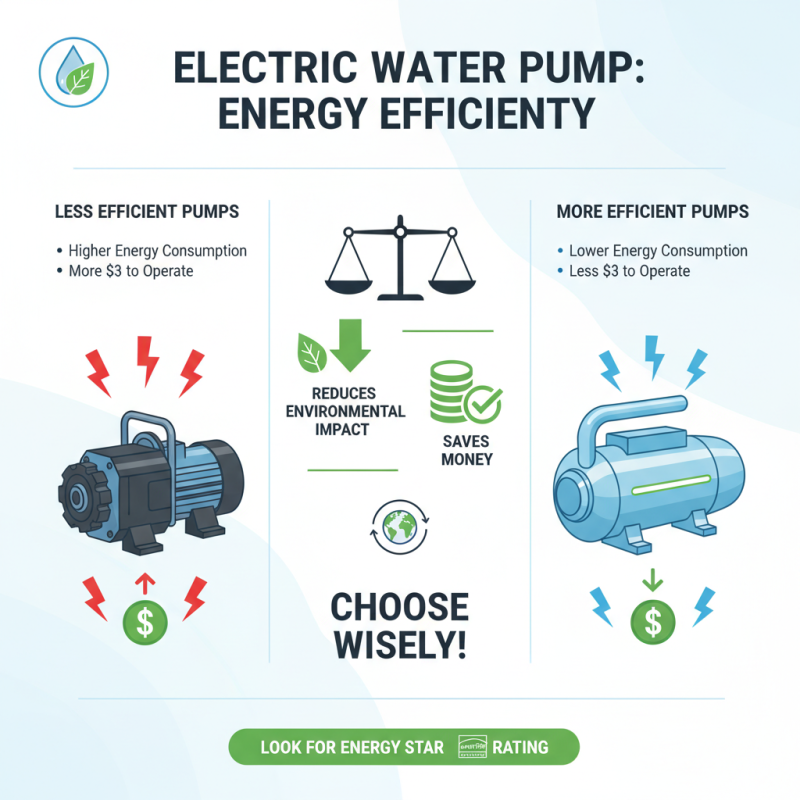
Another vital feature is the pump's energy efficiency. Research indicates that energy-efficient models can reduce electricity consumption by up to 30%. This reduces long-term costs significantly. Many homeowners do not consider this factor until they see the electricity bills.
Durability also matters. Pumps made from high-quality materials can withstand various weather conditions. It's important to invest in a pump that lasts, as replacements can be costly and disruptive. Look for units with corrosion-resistant components. Lastly, noise level should not be overlooked. A quieter pump enhances comfort at home, especially in densely populated areas. Finding a balance among all these features can be challenging. Reflect on your specific needs to make the best choice.
Top 10 Electric Water Pumps for Your Home
This bar chart illustrates the top features to look for in electric water pumps for home use, showcasing aspects like Power (W), Flow Rate (L/min), and Noise Level (dB).
Benefits of Using Electric Water Pumps Over Traditional Pumps
Electric water pumps have gained popularity due to their efficiency and convenience. Unlike traditional pumps, they are quieter and easier to operate. A 2021 report by the National Renewable Energy Laboratory highlights that electric pumps can save up to 30% more energy compared to their gas-powered counterparts. This reduction in energy use translates into lower bills for homeowners.
Furthermore, electric water pumps offer greater reliability. Many modern systems come with smart technology that allows for automatic operation. This means less manual work and lower chances of malfunction. Data from the Department of Energy indicates that electric pumps can last longer, with some models having a lifespan of over 15 years. However, they still require regular maintenance, which some homeowners may overlook.
One downside is the upfront cost. Electric pumps can be pricier than traditional options. This initial investment may deter some buyers, even though they save money in the long run. There’s also the dependency on electricity. Power outages can render these systems ineffective, leaving homeowners in need of alternatives. Balancing these factors is crucial for those considering a switch from traditional pumps.
Top 10 Electric Water Pumps You Need for Your Home
| Pump Model |
Flow Rate (GPM) |
Power Consumption (W) |
Maximum Head (ft) |
Weight (lbs) |
Price ($) |
| Pump A |
25 |
500 |
40 |
15 |
150 |
| Pump B |
30 |
600 |
50 |
20 |
180 |
| Pump C |
40 |
750 |
60 |
25 |
210 |
| Pump D |
20 |
450 |
30 |
13 |
120 |
| Pump E |
35 |
700 |
55 |
22 |
200 |
| Pump F |
28 |
550 |
45 |
19 |
170 |
| Pump G |
32 |
650 |
48 |
21 |
195 |
| Pump H |
37 |
720 |
62 |
23 |
220 |
| Pump I |
45 |
800 |
70 |
27 |
250 |
| Pump J |
50 |
900 |
75 |
30 |
300 |
Top Brands in the Electric Water Pump Industry and Their Market Shares
The electric water pump industry is thriving. Recent market reports indicate a strong demand for various pumps in residential settings. As of 2023, the global market value of electric water pumps stands at approximately $18 billion. This figure is expected to grow at a compound annual growth rate (CAGR) of 5% over the next five years.
Several brands dominate the market, holding significant shares. Data shows that three major brands account for nearly 50% of total market sales. Yet, smaller, innovative companies are gaining traction. They provide unique features and competitive pricing. User satisfaction is becoming a key differentiator. Many consumers find that traditional brands lack the innovation needed for modern demands.
The electric water pump landscape is changing. Consumers seek efficiency and reliability. Reports indicate that 30% of users have experienced issues with pumps that were once considered top-tier. This highlights the need for ongoing evaluation and improvement. It is essential for consumers to reassess their choices regularly. The market can be unpredictable. What works today may not work tomorrow.
Maintenance Tips to Extend the Life of Your Electric Water Pump
Electric water pumps are vital in modern homes. However, ensuring their longevity requires proper maintenance. Regular checks can save you from costly repairs. According to industry reports, neglecting maintenance can reduce pump efficiency by up to 30%.
One effective tip is to clean the pump regularly. Debris buildup can hinder performance. It’s essential to inspect the inlet and outlet valves. Clogged filters can cause undue strain on the motor. Even small particles can lead to significant issues. Ensure all electrical connections are secure. Loose connections can create sparks or short circuits.
Monitoring the pump's operation is crucial. Listen for unusual sounds that may indicate problems. Additionally, check for vibrations during operation. These often signal internal issues. Data shows that 15% of pump failures stem from unnoticed irregularities. Addressing these signs promptly can extend the pump's life significantly. Remember, small maintenance steps can make a big difference.