Top 10 Irrigation Pump Types for Your Farming Needs?
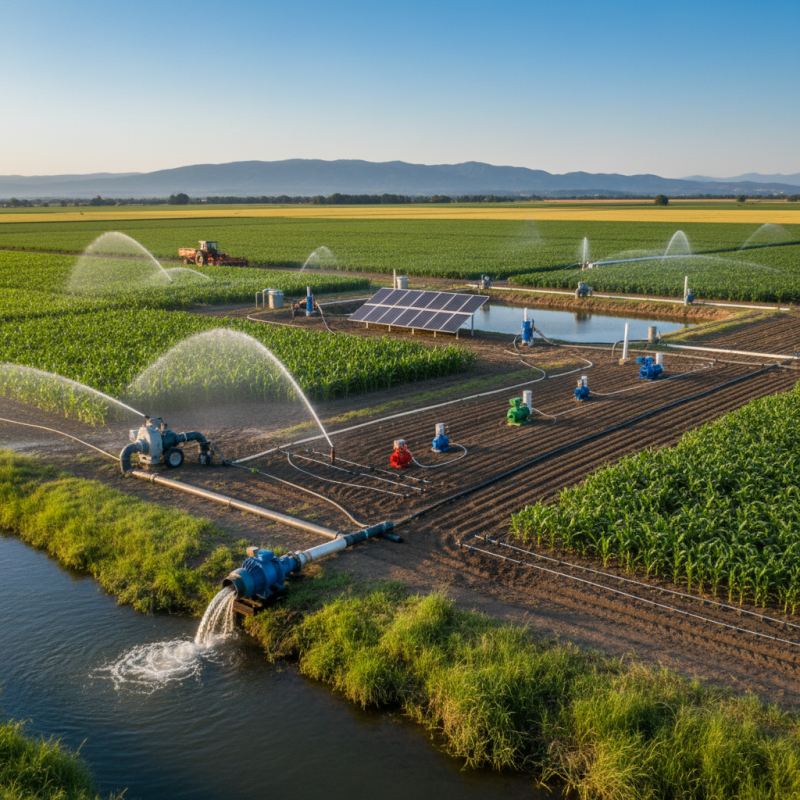
Irrigation pumps play a crucial role in modern farming. These machines provide essential water supply to crops. Different types of pumps cater to various agricultural needs. Understanding the right irrigation pump can greatly enhance farm productivity.
Farmers often face challenges when selecting an irrigation pump. Factors such as water source, crop type, and land size must be considered. Some pumps are better suited for specific situations. This diversity can be daunting for those unfamiliar with the options.
Yet, making the wrong choice can lead to wasted resources and poor yields. A deeper exploration into irrigation pumps is necessary. Balancing efficiency and cost should be a priority for every farmer. By evaluating different types of pumps, farmers can find solutions that suit their unique needs. This guide will delve into the top 10 irrigation pump types, offering insights to aid informed decisions.
Overview of Irrigation Pumps and Their Importance in Farming
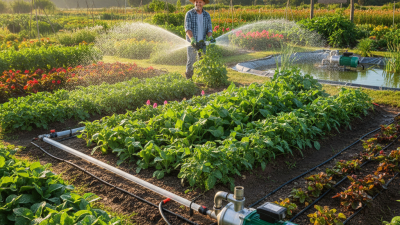
Irrigation pumps play a vital role in modern farming. They help deliver water directly to crops, ensuring healthy growth. Proper irrigation can significantly enhance soil moisture levels, boosting productivity. Farmers rely on various pump types to meet specific needs. The choice often depends on crop type, land size, and water source.
Selecting the right pump isn't always straightforward. Factors like efficiency, cost, and maintenance need careful thought. Some farmers may overlook the long-term implications of their choice. Over time, an unsuitable pump can lead to higher expenses. Farmers should consider alternative options and the specific requirements of their land.
Understanding these pumps is crucial for effective farming practices. Each pump type operates differently and has unique features. It's essential to assess what's best for individual situations. Awareness of these factors is important to avoid common pitfalls. Farmers can improve their irrigation strategies and ultimately their harvests with the right knowledge and resources.
Types of Irrigation Pumps: A Comprehensive Guide
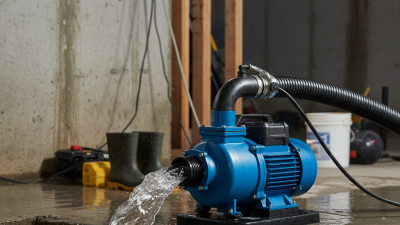
When selecting an irrigation pump, understanding your options is essential. There are several types, each with unique benefits. For instance, centrifugal pumps are widely used due to their efficiency in moving large volumes of water. According to industry reports, they can handle flows from 100 to 10,000 gallons per minute. This versatility makes them ideal for many farming scenarios.
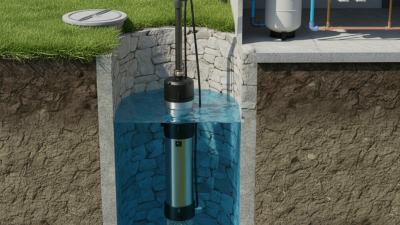
Submersible pumps are another popular option. They operate submerged in water, which helps to prevent cavitation and increase pump life. Data from agricultural studies suggests that these pumps can often reach depths of up to 600 feet. However, installation can be challenging and may require specialized skills. This aspect should not be overlooked, as improper installation can lead to performance issues.
Positive displacement pumps are useful for specific applications. They force water through the system by trapping a fixed amount and moving it. These pumps work best in scenarios requiring precise water measurements. However, they can be more expensive to maintain. Farmers need to weigh the costs against the benefits. Each pump type has its strengths and weaknesses; choosing wisely is crucial for irrigation success.
Factors to Consider When Choosing an Irrigation Pump
Choosing the right irrigation pump is crucial for successful farming. Several factors should guide your decision. First, consider the water source. Is it a river, pond, or well? Each source may require a different pump type. For example, surface water often needs a centrifugal pump, while deep wells might require submersible pumps.
Next, evaluate the pump's capacity. The United States Department of Agriculture (USDA) recommends calculating the required flow rate in gallons per minute (GPM). For most crops, around 20 GPM is needed per acre. However, some crops may require more. Understanding your crop's water needs ensures efficient irrigation.
Energy efficiency is another important factor. Some pumps consume more energy than others. A report from the Irrigation Association shows that optimizing pump efficiency can reduce energy costs by up to 30%. Look for pumps that offer variable speed options to adapt to changing flow demands. Reflecting on these factors can lead to better choices for your farming setup.
Top 10 Irrigation Pump Types for Your Farming Needs
| Pump Type |
Flow Rate (GPM) |
Horsepower (HP) |
Best Use |
Initial Cost |
| Centrifugal Pump |
10-300 |
1-10 |
General irrigation |
$500-$2,500 |
| Submersible Pump |
5-50 |
0.5-5 |
Deep well irrigation |
$300-$2,000 |
| Positive Displacement Pump |
1-100 |
1-15 |
Low flow, high pressure |
$400-$1,800 |
| Diaphragm Pump |
2-20 |
0.5-3 |
Pesticides and chemicals |
$300-$1,200 |
| Gear Pump |
1-100 |
1-10 |
Liquid fertilizers |
$200-$1,500 |
| Turbine Pump |
15-1,200 |
5-25 |
High capacity irrigation |
$1,000-$5,000 |
| Drum Pump |
1-30 |
0.5-2 |
Small applications |
$150-$600 |
| Helical Rotor Pump |
5-200 |
1-15 |
Efficient for viscous fluids |
$500-$3,000 |
| Solar Pump |
3-50 |
0.5-5 |
Eco-friendly options |
$600-$4,000 |
Innovations in Irrigation Pump Technology for Modern Farming
The landscape of irrigation pump technology is evolving, catering to the rising demands of modern farming. With water conservation at the forefront, innovations now focus on efficiency. Modern pumps can reduce water usage by up to 30%, according to a recent agricultural report. These advancements support sustainable practices, ensuring farmers can irrigate without overwhelming resources.
Solar-powered pumps are gaining attention. They harness renewable energy, providing an eco-friendly alternative. This technology not only cuts costs but also enhances reliability in remote areas. Farmers can irrigate fields even during power outages, a crucial advantage. However, initial installation costs can be a barrier, leading to reflections on budget allocation.
Tip: Always assess the long-term savings against initial costs. Research local resources for funding or incentives on sustainable practices.
Smart pumps now integrate IoT technology. These systems monitor moisture levels and adjust operations accordingly. This leads to precise watering schedules, minimizing waste. However, farmers may struggle with technology adaptation. Ensuring staff receive adequate training is essential for maximizing benefits.
Tip: Consider starting small. Implement gradual technology upgrades and monitor the results before full-scale adoption.