Top 10 Irrigation Pumps for Your Garden Needs?
When it comes to cultivating a flourishing garden, the choice of an irrigation pump is crucial. An expert in irrigation technology, Dr. Sarah Thompson, once said, "Choosing the right irrigation pump can make or break your garden." This highlights the importance of selecting the right pump based on your specific needs.
Irrigation pumps come with various features and specifications. Some may be powerful but unsuitable for small gardens. Others could be energy-efficient but lack sufficient pressure. Understanding these nuances can lead to better garden outcomes.
Selecting an irrigation pump isn't always straightforward. It's easy to overlook essential aspects, leading to inefficiencies. For example, many gardeners may not consider pump maintenance until it's too late. Assessing your garden's unique demands will assist in making a more informed decision. Investing time in research about the top options will ultimately benefit your gardening experience.
Types of Irrigation Pumps and Their Applications in Gardening
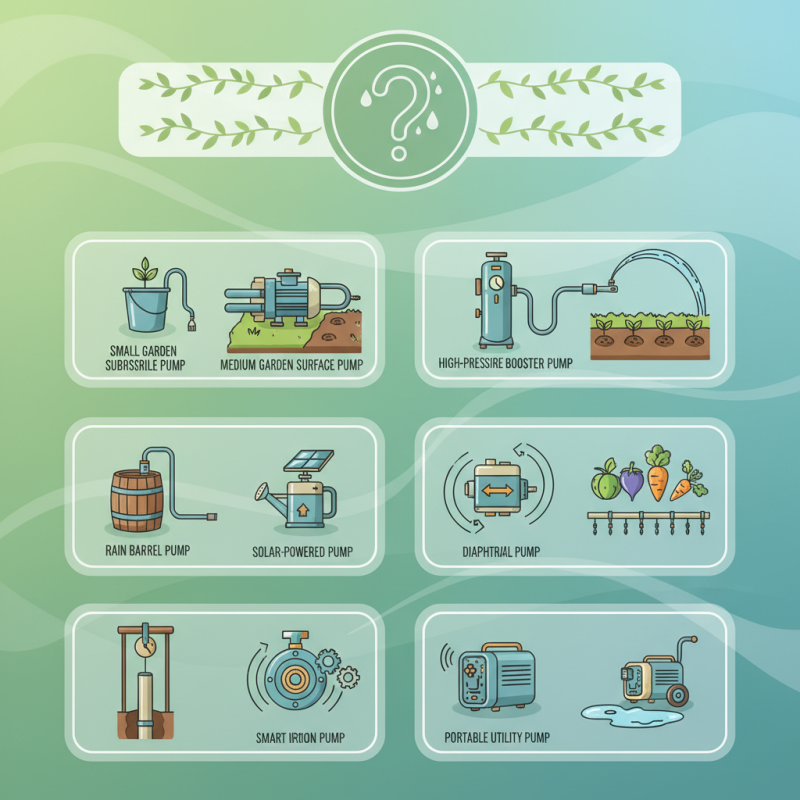
Irrigation pumps are essential for any garden. They help provide the right amount of water. Several types cater to different needs. Each has its own advantages and specific applications.
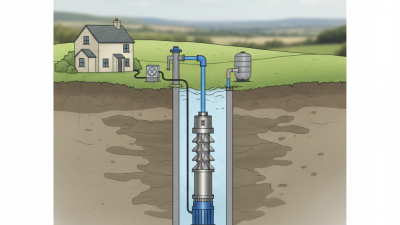
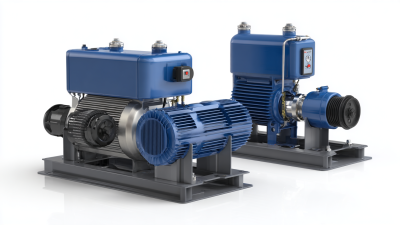
Centrifugal pumps are widely used. They work by drawing water into a rotating impeller. This creates a force that pushes the water out. They are effective for large gardens with high water demands. Submersible pumps, on the other hand, are submerged in water. They are perfect for wells or deep water sources. These pumps are often quieter than surface pumps.
Diaphragm pumps handle water with solids easily. They are great for gardens with muddy or dirty water. However, they may require more maintenance than others. Solar pumps are eco-friendly and operate on sunlight. They can be slower but work well for small, off-grid gardens. Understanding the right pump type makes a significant difference. Selecting one without proper research can lead to issues. An informed choice helps ensure that your garden thrives.
Key Factors to Consider When Choosing an Irrigation Pump
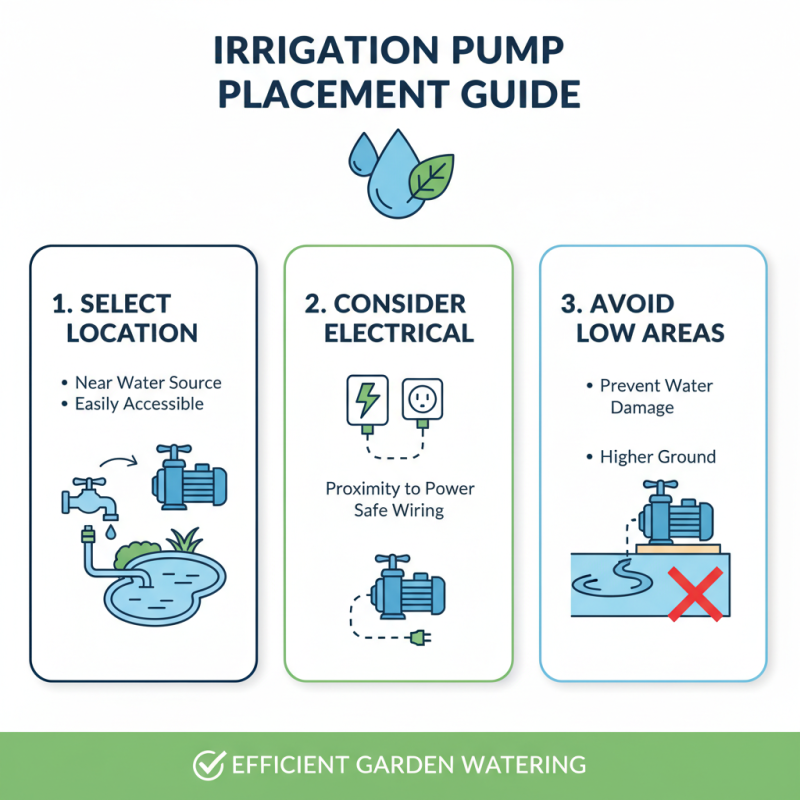
Choosing the right irrigation pump is crucial for a thriving garden. Start by considering the water source. Is it a well, a pond, or municipal water? Each source has different requirements. Next, think about the size of your garden. Larger gardens need pumps with greater capacity. Pump power is often measured in horsepower. A higher horsepower pump moves more water but can be bulkier and more expensive.
Tips: Look for pumps with adjustable flow rates. This feature helps you manage water usage effectively. Additionally, check the pump's durability. A durable pump saves money in the long run. It can handle different weather conditions and soil types.
Also, don't forget about energy efficiency. Energy-efficient pumps can save you money on your electricity bill. However, they might have a higher upfront cost. Reflect on what best fits your budget. Sometimes, the cheapest option isn't the most reliable. Research and read user reviews for insights. User experiences can reveal hidden issues or advantages. Achieving the best irrigation setup requires careful thought and consideration.
Top 10 Recommended Irrigation Pumps for Home Gardens
When choosing irrigation pumps for home gardens, a few critical factors come into play. The right pump can efficiently deliver water, saving both time and resources. A well-planned irrigation system can reduce water usage by up to 50%, according to the Irrigation Association. This statistic highlights the importance of selecting the most suitable pump for your specific needs.
Consider the flow rate of the pump. Many garden owners overlook this aspect. A pump with an inadequate flow rate may lead to dry patches in your garden. It's vital to have a pump that can deliver water evenly. The average flow rate for residential irrigation ranges from 3 to 10 gallons per minute. Ensuring you have enough capacity means your plants receive adequate moisture.
Pressure is another critical component. A pump must provide sufficient pressure to reach all areas of your garden. Insufficient pressure can result in waste and uneven distribution. According to industry reports, ideal pressure levels for most home gardens are between 20 to 60 PSI. However, many can find these figures challenging to achieve. Monitoring and adjusting your system regularly can prevent common issues and maximize efficiency.
Common Problems with Irrigation Pumps and Their Solutions
Irrigation pumps are essential for maintaining a thriving garden. However, these pumps often face a variety of problems that can hinder their performance.
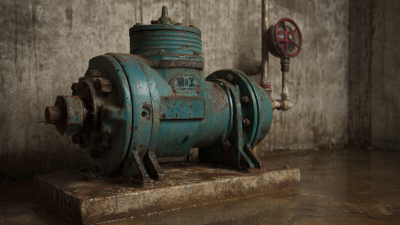
One common issue is clogging. Debris like leaves and dirt can block the pump. Regularly check and clean the pump. Remove any obstructions immediately. This small step can save you from bigger headaches later.
Another frequent problem is insufficient pressure. This can lead to uneven watering in your garden. Check for leaks in hoses or fittings. Also, inspect the pump's power supply. Sometimes, the solution is as simple as adjusting the settings.
Tips: Ensure your pump is properly maintained. Routine maintenance can extend its life. Pay attention to any unusual noises or vibrations. These can signal underlying problems that need fixing. Regular checks can make a big difference.
Lastly, some pumps may struggle with overheating. If this happens, it may shut off automatically. Provide shade or ventilation to keep it cool. Remember, an overheated pump is often a sign of workload issues. Evaluate your watering schedule if this occurs.
Top 10 Irrigation Pumps for Your Garden Needs
This bar chart illustrates the maximum flow rate (GPH - Gallons Per Hour) of the top 10 irrigation pumps suitable for garden use. Understanding the flow rate can help you choose the right pump for your needs.