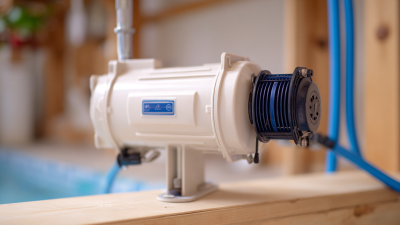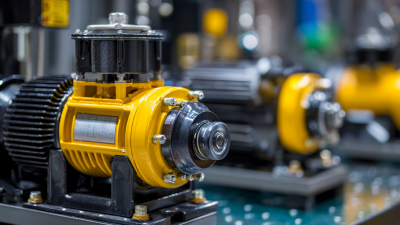
In the realm of home and garden maintenance, the significance of an efficient small pump cannot be overstated. As noted by industry expert Dr. Emily Hart, a renowned hydrology researcher, "The right small pump can be the difference between an efficient irrigation system and a waterlogged lawn." With an array of options available, understanding the features and uses of small pumps becomes essential for homeowners and garden enthusiasts alike.
Small pumps serve a multitude of purposes, from draining pools and fountains to facilitating irrigation and managing water levels in various applications. Their compact design makes them particularly suitable for residential use, while their functionality ensures that even extensive gardening and landscaping projects can flourish without the risk of water management issues. By exploring the top ten small pumps on the market, consumers can make informed choices that enhance the efficiency of their watering systems, save time, and ultimately contribute to successful home and garden projects.
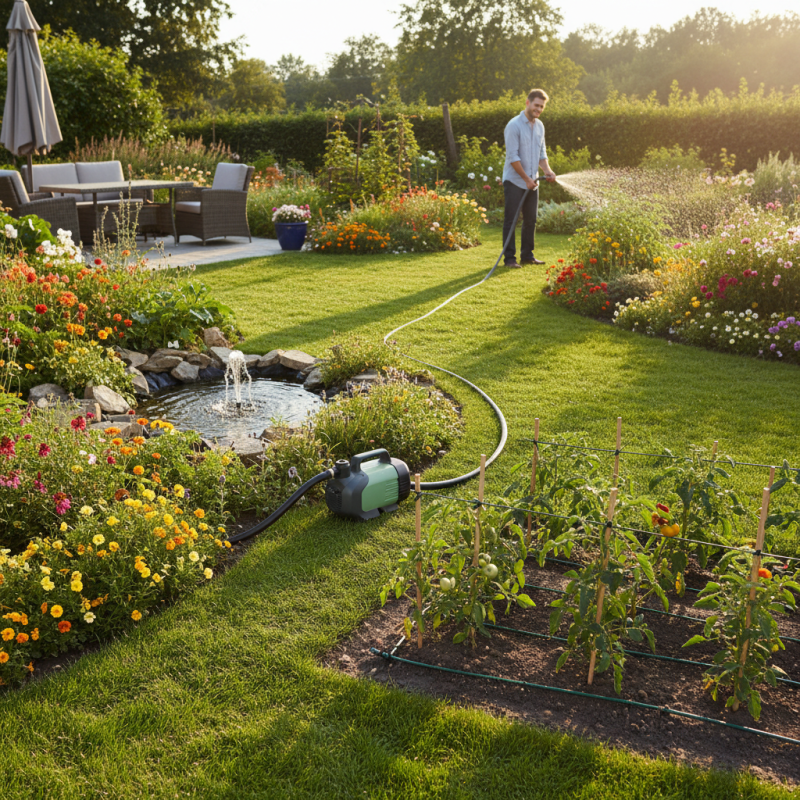
When selecting small pumps for home and garden use, efficiency ratings are crucial as they directly affect energy consumption and overall performance. A highly efficient pump can significantly reduce operational costs while providing reliable water movement for various applications, such as irrigation, drainage, or fountain systems. These pumps are typically designed with advanced motor technologies and optimized hydraulic components, leading to enhanced performance while consuming minimal electricity.
In addition to efficiency, features like portability, durability, and ease of installation play vital roles in determining a pump's suitability for specific tasks. Lightweight designs allow for effortless transport around the garden, while robust materials ensure longevity against weather elements. Furthermore, many models offer user-friendly interfaces and adjustable flow rates, enabling homeowners to customize their setups to meet unique needs. Understanding these efficiency ratings and features is essential for making an informed decision to achieve optimal productivity in home and garden projects.
When it comes to small pumps for home use, efficiency and functionality are paramount. The ideal small pump should balance power with ease of use, catering to a variety of tasks from garden irrigation to water features. Key features that enhance performance include energy efficiency ratings, which are critical for reducing long-term operating costs. According to recent industry reports, pumps with high-efficiency motors can save homeowners up to 30% on energy costs compared to standard models, making them a wise investment for both the environment and household budgets.
Another essential feature is the pump's flow rate, typically measured in gallons per minute (GPM). A higher GPM indicates faster water movement, which is crucial for tasks like draining pools or covering larger garden areas quickly. Additionally, look for pumps with adjustable settings, allowing users to control flow rates based on specific needs. As per data insights from the American Society of Agricultural and Biological Engineers, pumps equipped with variable speed technology can offer substantial improvements in versatility and efficiency, adapting easily to various applications.
Tips: When selecting a small pump, consider the materials used in construction. Durable, corrosion-resistant materials extend the pump's lifespan, especially in harsh environments. Regular maintenance is also essential; cleaning filters and checking connections can enhance efficiency and prevent costly repairs. Finally, match the pump size to the intended task to avoid overworking the unit, ensuring optimal performance and longevity.
Small pumps have become essential tools for a variety of gardening applications, enhancing water management and promoting plant health. One of the primary uses of these pumps is for irrigation systems, allowing homeowners to efficiently distribute water across their gardens. By utilizing small pumps, gardeners can automate watering schedules, ensuring that plants receive adequate moisture without manual labor. This not only conserves water but also promotes healthier plant growth by delivering water directly to the root zone at optimal times.
In addition to irrigation, small pumps are frequently employed for tasks such as pond maintenance and fountain operation. Keeping water features clean and flowing requires regular circulation, and small pumps can provide the necessary water movement to prevent stagnation and support aquatic life. Furthermore, these pumps can assist in draining excess water from garden beds or pools after heavy rain, preventing waterlogging that could harm plant roots. With their diverse applications, small pumps serve as indispensable tools for both novice and experienced gardeners, streamlining essential functions that contribute to a thriving garden ecosystem.
| Pump Type | Flow Rate (GPH) | Power (Watts) | Max Lift (Feet) | Best Use |
|---|---|---|---|---|
| Submersible Pump | 3000 | 400 | 25 | Pond & Pool Drainage |
| Solar Water Pump | 1500 | 100 | 15 | Garden Fountain |
| Pressure Pump | 1800 | 250 | 30 | Irrigation Systems |
| Transfer Pump | 2500 | 350 | 20 | Water Transfer |
| Drum Pump | 1000 | 150 | 10 | Liquid Transfer |
| Sump Pump | 2000 | 500 | 25 | Basement Flooding |
| Chemical Pump | 1200 | 200 | 12 | Chemical Handling |
| Fountain Pump | 800 | 50 | 5 | Decorative Fountains |
| Bilge Pump | 1500 | 120 | 15 | Boat Maintenance |
| Water Feature Pump | 2000 | 250 | 20 | Pond & Fountain |
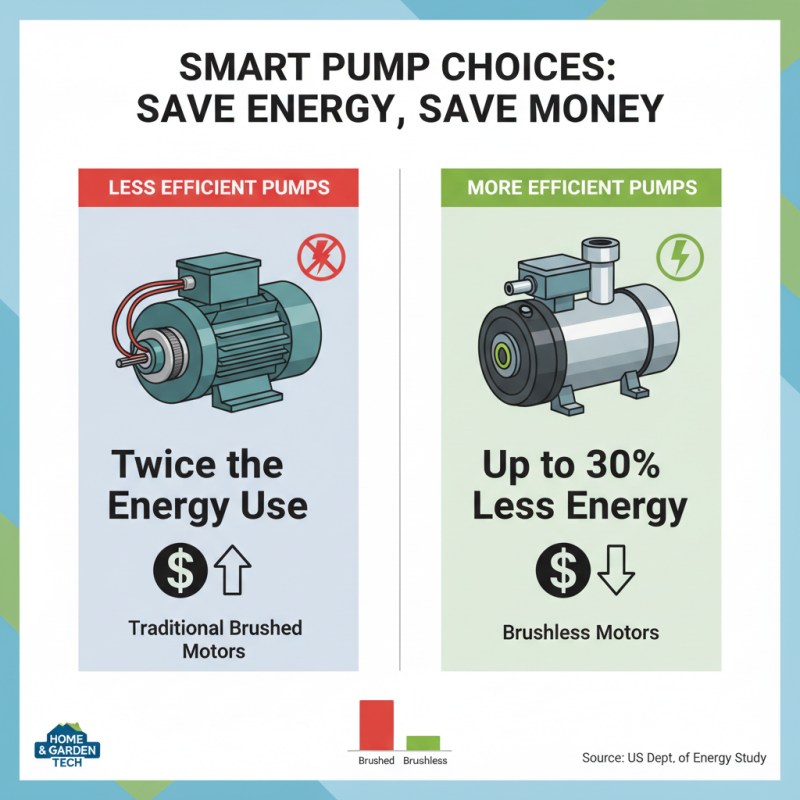
When selecting small pumps for home and garden use, energy consumption is a critical consideration. According to a study by the U.S. Department of Energy, small pumps can vary significantly in their energy efficiency, with some models consuming twice as much energy as their more efficient counterparts. This disparity often comes down to the design and type of motor used. For instance, pumps equipped with brushless motors tend to operate at higher efficiency rates, utilizing up to 30% less energy compared to conventional brushed motors.
In another analysis by the Energy Star program, it was found that the annual energy consumption of small pumps can range from 200 to 600 kWh. This substantial difference can influence long-term operational costs and environmental impact. For homeowners, choosing energy-efficient models not only reduces electricity bills but also contributes to a smaller carbon footprint. Additionally, many modern small pumps incorporate features such as variable speed controls, which enhance energy efficiency by adjusting pump performance according to specific needs, further optimizing power usage.
Maintaining small pumps for home and garden applications is crucial to ensure their efficiency and longevity. According to a report by the National Association of Home Builders, regular maintenance can extend the lifespan of pumps by as much as 50%. This ensures not only optimal performance but also cost savings over time. Key maintenance tasks include cleaning the filters regularly to prevent clogging, checking the seals and joints for leaks, and ensuring that the pump is adequately lubricated. Stagnant water can encourage algae growth, which can quickly obstruct the system; thus, periodic cleaning is essential.
Moreover, it is vital to store pumps properly during the off-season. Research indicates that proper storage can drastically reduce the risk of mechanical failures, as exposure to severe temperatures and moisture can cause deterioration of the components. Pump owners should consider winterization techniques, such as draining the pump of water and ensuring all parts are dry before storing. By adhering to these maintenance tips, homeowners can maximize pump efficiency and extend their operational life, contributing to a more sustainable home and garden ecosystem.