Skip to Content

Top Submersible Water Pump Options to Consider for Your Needs?

Choosing the right submersible water pump can be challenging. Many options cater to various needs. This guide will help you navigate through the best options.

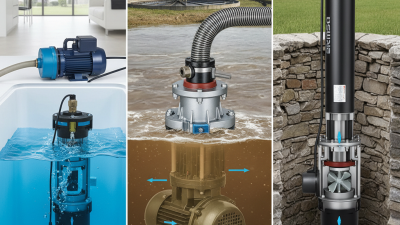
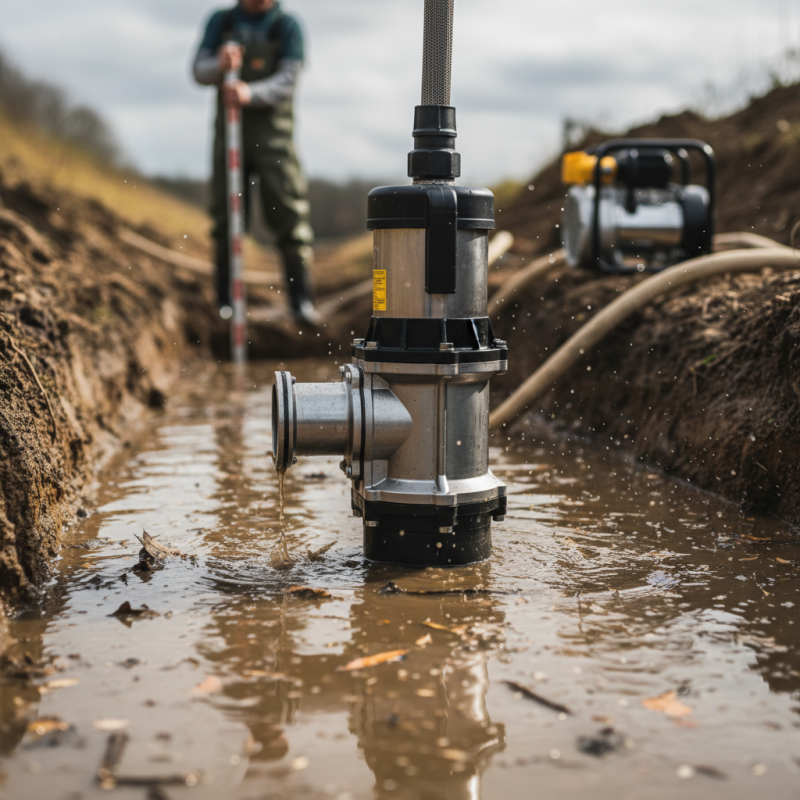
A submersible water pump operates underwater, making it ideal for draining waterlogged areas. They come in different sizes and capacities. Understanding your requirements is key to making an informed choice.

Some users overlook pump specifications. They often ignore factors like power and flow rates. Each situation demands a specific type of pump. Therefore, it's crucial to assess your unique needs. A little research goes a long way in avoiding mistakes.
Top Submersible Water Pump Options to Consider for Your Needs?

Understanding Submersible Water Pumps: An Overview

Top Submersible Water Pump Options to Consider for Your Needs?

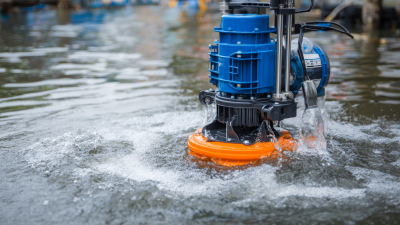
Submersible water pumps are crucial in various applications, from residential to industrial. They function by operating underwater, pushing water to the surface. This mechanic provides efficient water removal in flooded areas or irrigation systems. In fact, the global submersible pump market was valued at approximately $10 billion in 2021, reflecting a steady growth rate.

However, choosing the right pump can be challenging. Factors like power, flow rate, and depth of operation can influence performance. According to industry reports, selecting the correct motor size is vital. An oversized pump can waste energy, while an undersized pump may fail to handle the task. Many users overlook these aspects, leading to inefficiencies.

Regular maintenance is essential too. A lack of proper upkeep can cause wear and tear, affecting longevity. Studies indicate that well-maintained pumps have a lifespan of over ten years, while poor care can reduce this significantly. Awareness of these details can lead to better choices and long-term satisfaction.
Key Features to Look for in Submersible Water Pumps

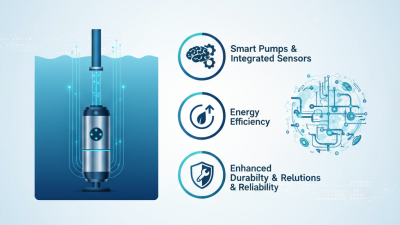
When choosing a submersible water pump, several key features stand out. The motor's efficiency is vital. Industry reports indicate that pumps with a high efficiency rating can save up to 30% on energy costs. Look for models that offer at least 85% efficiency. This helps your pump run longer and reduces your electricity bill.

Durability matters too. A pump made from high-quality materials can withstand harsh environments. For instance, pumps with stainless steel components often resist rust and corrosion. This quality extends the product's life, which is a smart investment. Many users overlook warranties, yet they can reveal how confident a manufacturer is about their product.

Consider flow rate and head height. These metrics determine how quickly and how far water can be pumped. A study from the Water Management Institute states that a pump with a higher flow rate can reduce overall operating time. Proper sizing of these metrics ensures efficiency and effectiveness. Often, consumers underestimate this aspect, leading to inadequate water movement and increased frustration.

Top Submersible Water Pump Brands and Their Offerings

When exploring submersible water pumps, it's crucial to recognize the leading brands in the market. These companies showcase a range of products designed for different applications. For instance, some pumps excel in agricultural use, while others are tailored for residential tasks. Recent industry reports indicate that the global submersible pump market is projected to grow significantly, with a CAGR of about 5.6% through 2027.

Key features often differentiate brands. High efficiency, energy-saving options are growing in demand. Meanwhile, durability is a frequent concern. Users want pumps that can withstand harsh conditions. Reports suggest that over 40% of consumers prioritize long-term performance when choosing a submersible pump. Brands actively addressing these needs often see improved customer satisfaction and brand loyalty.

However, not all brands meet expectations. Some may offer subpar customer service or lack essential spare parts. It's essential to consider user feedback when assessing options. Misleading marketing claims can lead buyers astray. As the market evolves, consumers should remain vigilant about the brands they choose. Quality often varies, and thorough research is advisable.

Comparative Analysis of Submersible Water Pump Types

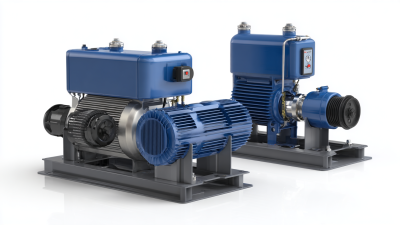
When choosing a submersible water pump, understanding the different types is crucial. The most common types include centrifugal pumps and positive displacement pumps. Each type serves distinct purposes. Centrifugal pumps are ideal for moving large volumes of water, while positive displacement pumps are effective for thicker liquids. Knowing your specific needs can guide your choice.

### Tips
Consider the pump's power rating. It's important to match it to your water source. A too-powerful pump can cause wear and damage. A more efficient pump can sometimes save on energy costs.

Furthermore, assess the pump's materials. Look for corrosion-resistant options if you'll work with harsh environments. Weigh the noise levels too; some pumps operate quieter than others. This can matter if you live in a residential area.

Always check for customer feedback. Sometimes, the best lessons come from past users' experiences. This can highlight potential issues, such as durability and performance. Being informed can save time and money in the long run.

Top Submersible Water Pump Options to Consider for Your Needs

Maintenance Tips for Optimal Performance of Submersible Pumps

Top Submersible Water Pump Options to Consider for Your Needs?

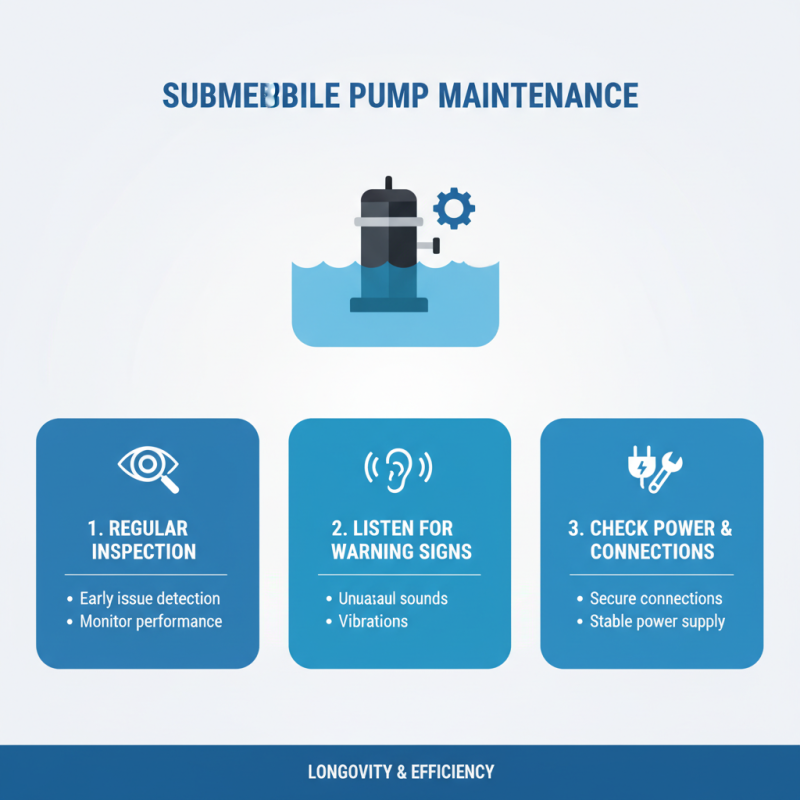
Proper maintenance of submersible pumps is crucial for their longevity and efficiency. Regular inspection helps identify issues early. Keep an eye on the pump’s performance. Listen for unusual sounds or vibrations. These signals can indicate a need for attention. Regularly check the power supply and connections as well. Loose connections can cause problems.

Cleaning is essential. Debris can accumulate over time. This buildup reduces efficiency and may lead to breakdowns. Rinse the pump thoroughly after use. Inspect the impeller for any signs of wear and tear. Replace worn parts promptly to avoid further damage. Also, ensure that the pump is correctly submerged. Operating a pump out of water can lead to overheating and permanent damage.

Don’t forget about lubrication. Some pumps require regular oil checks. Insufficient lubrication can lead to poor performance. Keep an eye on the seals as well. They prevent water leaks, and damaged seals can cause major issues. Remember, neglecting maintenance may lead to costly repairs. Reflect on your maintenance schedule and adjust it as needed to ensure optimal performance.