Why Water Pump Price Matters: Understanding Costs for Your Needs
In the realm of fluid management, the price of water pumps is a critical consideration for industries ranging from agriculture to construction. Understanding the factors that influence water pump price can lead to more informed purchasing decisions, ensuring that buyers can find the right balance between quality and cost. According to a recent report by the Global Pump Industry Association, the water pump market is projected to reach $75 billion by 2027, reflecting a compound annual growth rate of 4.5%. This growth underscores the importance of comprehending the intricate pricing landscape, as fluctuations in raw materials, technological advancements, and market demand significantly affect overall costs.

Renowned water pump industry expert Dr. James Turner emphasizes the significance of strategic investment, stating, "Understanding water pump price is not merely about the initial outlay; it's about evaluating the long-term returns on efficiency and reliability." As industries increasingly prioritize sustainability and energy efficiency, the starting price of water pumps becomes intertwined with their operational costs and potential savings over time. Thus, making knowledgeable choices regarding water pump expenditures is essential for optimizing both performance and budget allocation.
Factors Influencing Water Pump Prices: Key Considerations
When considering the purchase of a water pump, understanding the factors influencing its price is essential. The cost of water pumps can vary significantly based on several critical considerations. First, the type of water pump plays a substantial role; for instance, submersible pumps tend to be more expensive than standard centrifugal pumps due to their specialized design and durability. According to a 2022 report by the American Society of Agricultural and Biological Engineers, the average price of submersible pumps can range from $300 to $1,200, whereas centrifugal models typically start at around $100.
Another significant factor is the pump's capacity and efficiency. Higher capacity pumps often come with a heftier price tag, as they are designed for more demanding applications. A study by the Hydraulic Institute revealed that energy-efficient pumps, while initially higher in cost, can lead to savings of up to 30% in operational costs over time. Additionally, market conditions, such as material costs and manufacturing processes, also impact prices. For example, as raw material prices fluctuate, so too do the prices of the pumps, making it crucial for consumers to stay informed about market trends and projections.
Comparing Different Types of Water Pumps and Their Costs
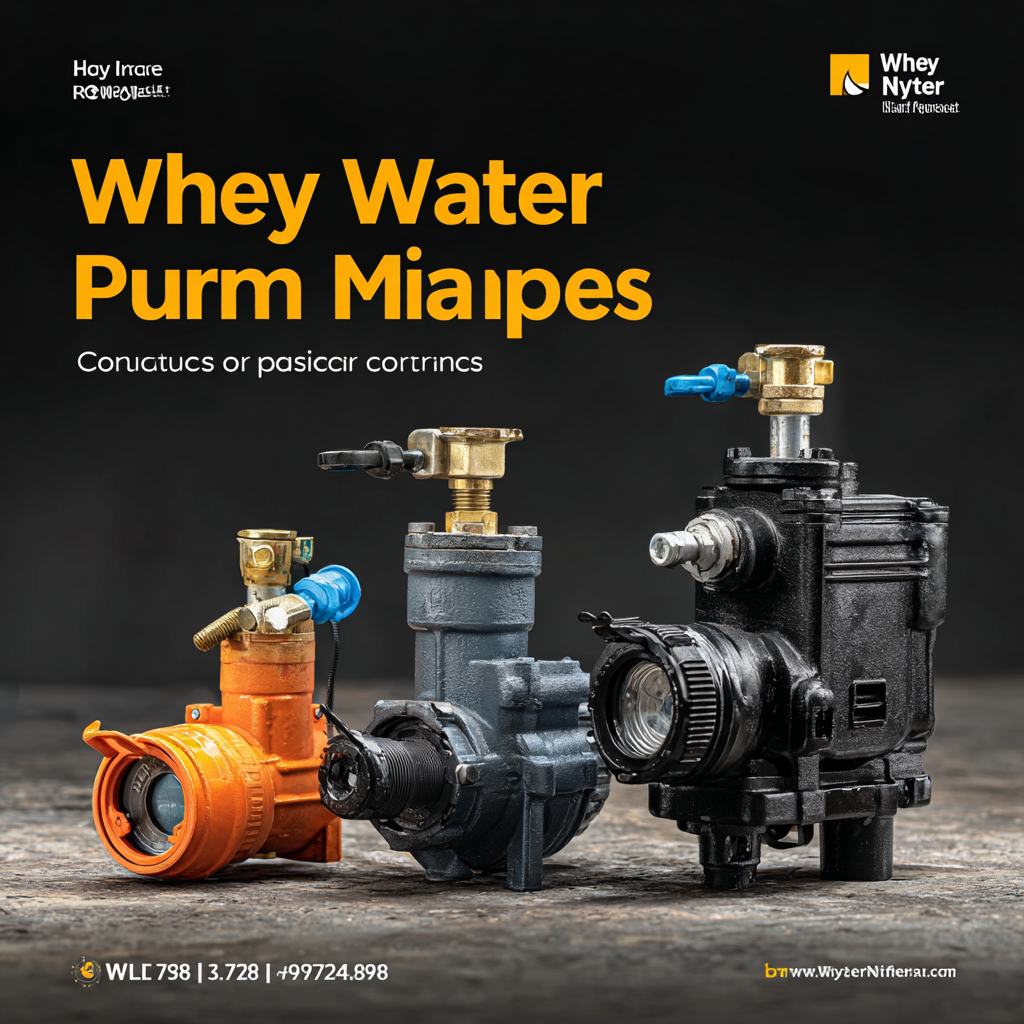
When considering a water pump for your needs, understanding the various types and their associated costs can significantly influence your decision. According to a report by MarketsandMarkets, the global water pump market is projected to reach $80.30 billion by 2026, indicating a growing demand for efficient pumping solutions. There are several types of water pumps, including Centrifugal pumps, submersible pumps, and positive displacement pumps, each serving different applications and price ranges.
Centrifugal pumps typically range from
$100 to $5,000, depending on the size and performance required. They are widely used for applications such as irrigation and municipal water supply due to their efficiency and capability to handle large volumes.
In contrast, submersible pumps, which are designed to operate underwater, can cost between
$150 and $2,500, depending on the depth they are intended to reach and their horsepower capabilities.
Positive displacement pumps, although less commonly used in residential applications, can range from
$500 to over $10,000 for industrial models, making them a more significant investment. Understanding these cost variations is crucial for selecting the right pump that meets both your budget and functional requirements.
Understanding the Role of Brand Reputation in Water Pump Pricing
When evaluating water pump prices, the importance of brand reputation cannot be overstated. Industry research indicates that reputable brands can command prices that are 20-30% higher than their lesser-known counterparts. This premium often reflects the quality and reliability associated with established manufacturers. According to a report by Global Industry Analysts, companies with high brand equity tend to invest more in R&D, resulting in innovative designs and better efficiency, which ultimately contribute to long-term savings for consumers.
Furthermore, a strong brand reputation also plays a crucial role in customer service and support. A 2021 survey by Consumer Reports found that 75% of consumers would rather pay more for a well-known brand with solid after-sales support than opt for a less expensive option that may lack reliable customer care. As user needs evolve, brands with a proven track record in water pump technology not only enhance trust but also ensure that customers receive products that meet industry standards and regulations, supporting a sustainable investment in their water management solutions.
Water Pump Price Comparison
Budgeting for Water Pump Maintenance and Long-Term Costs
When considering the purchase of a water pump, it’s crucial to think beyond the initial price tag. Budgeting for water pump maintenance and long-term costs can save you significant amounts down the line. Regular maintenance not only prolongs the life of your pump but also ensures optimal performance—keeping energy costs low and minimizing unexpected repairs that can arise from neglect.
Tip: Create a maintenance schedule that includes tasks such as filter replacements, seasonal inspections, and proper lubrication. This proactive approach can prevent costly repairs and extend your pump's lifespan, ultimately proving beneficial for your budget.
In addition to routine maintenance, factor in the potential costs of replacement parts and emergency repairs. Some water pumps may have readily available components, while others could require specialized parts that may not be stocked locally, leading to costly delays. It's essential to research your specific pump model and consider these factors when determining your overall budget.
Tip: Always keep a reserve fund specifically for unexpected repairs or part replacements, which can help alleviate financial stress when urgent repairs arise. Investing in a reliable, efficient model may cost more initially but can lead to lower operational costs over time, making them a
smart choice for your long-term financial health.
How to Choose the Right Water Pump for Your Budget and Needs
When choosing the right water pump for your budget and needs, it's essential to consider several key factors. First, determine the specific purpose of the pump—whether it's for irrigation, drainage, or other uses. Each application may require different specifications in terms of flow rate, head lift, and power source. Understanding these requirements will help narrow down your options and ensure you select a pump that meets your functional demands without overspending.
Next, evaluate the various brands and models available in the market. While price is a critical factor, it's equally important to consider the reliability and durability of the pump. Look for customer reviews and expert recommendations to gauge performance. It's also beneficial to factor in long-term costs, such as maintenance and energy consumption. Investing slightly more in a high-quality pump can often save money in the long run by reducing the frequency of repairs and increasing efficiency. By carefully balancing your budget with your specific needs, you can make a well-informed decision that enhances your water management efforts.