What Are Wheel Hub Bearing Units and How Do They Work?
wheel hub bearing units are crucial components in modern vehicles. They enable smooth rotation of the wheels while supporting the vehicle's weight. According to industry reports, the global wheel hub bearing market is expected to grow significantly. By 2026, it may reach a value of over $10 billion. This growth reflects the increasing demand for durable and efficient automotive parts.
These units consist of bearings sealed within a housing. They reduce friction and absorb shocks. High-quality materials ensure longevity and performance under various conditions. However, not all wheel hub bearing units are created equal. Some manufacturers cut corners, compromising safety and reliability. It is vital for consumers to choose wisely.
Additionally, improper installation can lead to premature failure of these units. Statistics show that 30% of vehicle repair costs stem from wheel-related issues. This points to the importance of understanding wheel hub bearing units. Awareness can enhance vehicle performance and safety. Each time a driver hits the road, they depend on these components to function flawlessly.
What Is a Wheel Hub Bearing Unit?
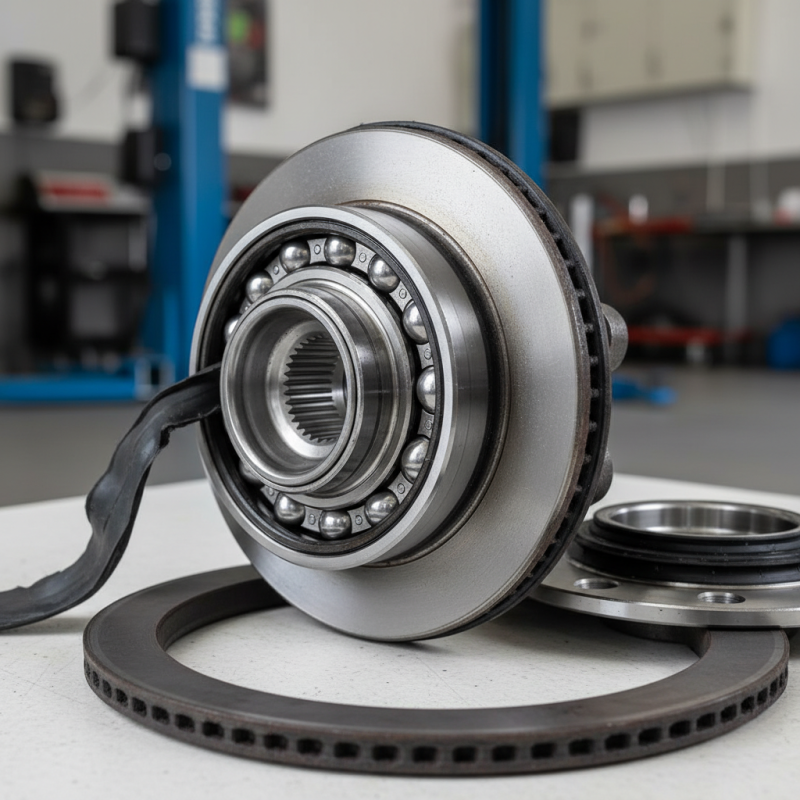
A wheel hub bearing unit is a crucial component in a vehicle’s wheel assembly. It connects the wheel to the suspension and allows for smooth rotation. This unit typically consists of multiple steel balls or rollers inside a raceway. The design ensures minimal friction during wheel movement, which is vital for performance. These bearings are usually sealed to protect them from dirt and moisture, extending their lifespan.
When a car moves, the wheel hub bearing unit bears the load of the vehicle's weight. It helps maintain proper alignment and supports the vehicle's weight as it travels. Yet, some people overlook its maintenance. Over time, wear and tear can lead to issues like noise or poor handling. Unusual sounds may indicate that the bearing needs inspection. Skipping regular checks could lead to more significant issues, affecting safety and performance.
Proper installation is essential for the wheel hub bearing unit's function. An incorrect installation can lead to premature failure. It's a reminder of how critical attention to detail is when working on vehicle maintenance. Regular maintenance can help prevent future problems, improving safety and vehicle longevity. Ignoring signs of wear might result in costly repairs. This makes it necessary to stay aware of the condition of your vehicle's wheel hub bearing units.
What Are Wheel Hub Bearing Units and How Do They Work?
| Dimension | Description |
| Definition | A wheel hub bearing unit is a component that supports the wheel and allows it to rotate smoothly while maintaining structural integrity. |
| Function | It reduces friction between the wheel and suspension assembly, providing a stable platform for optimal vehicle performance. |
| Components | Typically includes inner and outer rings, rolling elements, and sometimes a seal to protect against dirt and moisture. |
| Types | There are various types, including sealed, unsealed, and those designed for specific vehicle applications. |
| Maintenance | Often maintenance-free; however, regular inspection for signs of wear or damage is recommended. |
| Symptoms of Failure | Common symptoms include unusual noises, vibrations, or a change in wheel alignment. |
| Replacement | Should be replaced if damaged; consult a professional mechanic for assessment and installation. |
Components of a Wheel Hub Bearing Unit
The wheel hub bearing unit is an essential part of vehicle assemblies. It connects the wheel to the suspension and facilitates smooth rotation. Key components include the hub, bearings, seals, and sometimes sensors. Each part plays a role in ensuring operational efficiency.
The hub acts as the mounting point for the wheel. It helps maintain proper alignment and tolerates high loads. Bearings are crucial; they reduce friction and allow the wheel to spin freely. Seals protect bearings from dirt and moisture, extending their lifespan. A study found that 70% of bearing failures stem from contamination, highlighting the importance of effective sealing.
Advanced designs may incorporate sensors for monitoring wheel speed and position. This technology enhances vehicle safety and performance. However, improper installation or maintenance can lead to failures. Reports show that 15% of mechanical issues arise from careless handling during installation. Understanding these components and their functions aids in proactive maintenance and prolongs vehicle life.
How Wheel Hub Bearing Units Function
Wheel hub bearing units play a critical role in vehicle performance. They support the wheel and allow for smooth rotation. This unit is made up of an inner and outer race, rollers, and seals. The design helps reduce friction, enhancing efficiency during motion. Proper lubrication inside the unit is essential for longevity.
When the wheel turns, the bearing unit allows it to rotate freely. It bears the weight of the vehicle, distributing loads evenly. Over time, factors like weather and road conditions can affect the unit's integrity. Damage may lead to increased friction or noise. Regular inspections can help detect issues early and prevent costly repairs.
Maintenance is crucial for optimal function. Sometimes, drivers may neglect signs of wear. Ignoring these indicators can lead to serious mechanical failures. It's important to pay attention to the changes in handling or unusual sounds while driving. A well-maintained wheel hub bearing ensures a safer driving experience.
Common Types of Wheel Hub Bearing Units
Wheel hub bearing units are crucial components in modern vehicles. They support the weight of the vehicle and allow the wheels to rotate smoothly. There are several types of these units, each designed for specific applications.
One common type is the sealed hub assembly. This design keeps out dirt and moisture. It requires minimal maintenance, which is a clear advantage. However, if it fails, the whole unit often needs replacement. Another type is the traditional bearing with a separate grease seal. This allows for easier servicing but demands regular maintenance. Neglecting this can lead to costly repairs.
Some vehicles utilize double-row bearings. These provide added strength and load capacity. They are ideal for heavy-duty applications. However, they may be more complex to install. Troubles with alignment can arise during installation. Each type has its strengths and weaknesses, making understanding these differences essential for vehicle owners.
Wheel Hub Bearing Units: Common Types and Their Usage
Signs of Wheel Hub Bearing Unit Wear or Failure
When assessing wheel hub bearing units, it's critical to recognize the signs of wear or failure. A common indicator is unusual noises. You might hear grinding or humming sounds while driving. These noises often intensify when cornering or making sharp turns. If you notice these sounds, it’s time to investigate further.
Another telltale sign is vibration. If you feel unusual vibrations in the steering wheel or throughout the vehicle, the wheel bearing may be at fault. This can indicate that the bearing has deteriorated or is poorly aligned. In some cases, the vibration could be accompanied by a loose steering feel.
Additionally, inspect your tires for uneven wear. If one side shows more wear than the other, the wheel bearings could be contributing to this issue. It’s essential to monitor these signs closely. Ignoring them can lead to further damage and costly repairs. Regular checks and maintenance can prevent these problems.